

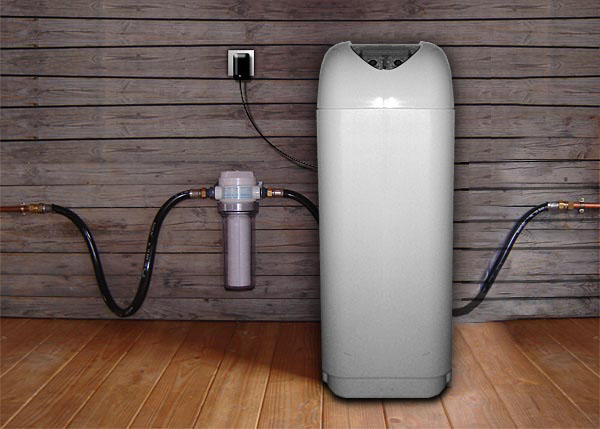
A water softener generally does not fail overnight. In most cases, its efficiency decreases gradually, until the limescale reappears in your home without you immediately understanding why. White traces on taps, discomfort in the shower, or household appliances becoming encrusted again are often the first warning signs indicating that maintenance or replacement has become necessary.
Identifying these signs in time helps prevent water quality deterioration, damage to installations, and unnecessary costs. Here are the 5 key indicators to watch to determine if your water softener is still working properly.
A water softener works thanks to resins that exchange ions and capture the calcium and magnesium responsible for limescale. Over time, these resins can become clogged, saturated, or lose effectiveness, especially if maintenance is inadequate.
A poorly maintained water softener can lead to:
gradual return of limescale,
overconsumption of salt and water,
reduced daily comfort,
more frequent breakdowns.
Regular maintenance helps preserve equipment performance and extend its lifespan.
Sign #1: Limescale Reappears in Your Home
The first warning sign is often visual. You notice again:
white traces on taps and shower walls,
deposits on dishes or tiles,
These manifestations indicate that your water is no longer being properly softened. A simple hardness test allows you to quickly verify whether the water softener is still fulfilling its role or if it needs adjustment or maintenance.
Sign #2: Abnormal Salt Consumption
The salt container is an excellent indicator of your water softener's proper functioning. Two situations should alert you:
Salt is being consumed much too quickly, which may indicate poor adjustment or regeneration cycles that are too frequent.
Salt is barely being consumed, which may be due to a salt bridge or a malfunction preventing resin regeneration.
In either case, the softener's efficiency is compromised and verification is necessary.
Sign #3: Decrease in Water Pressure or Flow
A progressive decrease in water flow at the tap or shower can also be related to your water softener. Clogged resins or saturated filters can impede water circulation through the installation.
This problem can result in:
loss of comfort,
excessive strain on plumbing,
increased risk of long-term malfunction.
Maintenance often resolves this type of situation before it worsens.
Sign #4: Unusual Water Taste or Odor
Properly softened water should remain neutral, without any particular taste or odor. If you notice:
an unpleasant odor,
an unusual taste,
a sensation of stagnant water,
this may indicate insufficient maintenance, particularly with the resins or salt container. Regular disinfection of the water softener is essential to ensure safe and pleasant drinking water.
Sign #5: Your Water Softener is Older or Underperforming
Even when well maintained, a water softener has a limited lifespan, generally between 10 and 15 years. Over time, performance decreases and the equipment may become less cost-effective.
An old water softener can:
consume more salt and water,
be less precise in its settings,
no longer meet your current needs.
Recent models offer more efficient technologies, optimized consumption, and better user comfort.
Maintenance or Replacement: How to Make the Right Choice?
When Maintenance is Sufficient
Maintenance is generally sufficient when:
the water softener is still relatively recent,
the loss of efficiency is moderate,
the resins are in good condition.
It includes cleaning, disinfection, settings verification, and inspection of essential components.
When Replacement Becomes More Relevant
Replacement is often recommended if:
the equipment is very old,
breakdowns are multiplying,
maintenance costs are becoming high,
your water needs have changed.
Investing in a new water softener often allows you to make long-term savings while improving comfort.
Why Consult a Water Treatment Specialist
Properly assessing your water softener's condition requires specific expertise. A water treatment professional can:
analyze your water quality,
precisely diagnose your water softener's condition,
guide you toward the most appropriate solution.
This helps avoid poor decisions and sustainably optimize your installation.
Act at the Right Time to Preserve Your Comfort
A water softener is essential equipment for fighting limescale, but only if it's well maintained. Limescale returning, abnormal salt consumption, decreased water pressure, or unusual water taste are warning signs not to ignore.
Acting quickly helps preserve your water quality, protect your installations, and avoid costly repairs.
Need a Diagnosis or Personalized Advice?
Each installation is different and requires a tailored approach.
DIMM experts support you in assessing your water softener's condition, performing professional maintenance, or proposing an efficient and sustainable replacement solution.
➡️ Contact DIMM now to benefit from personalized advice and durably improve your water quality.
Published inBlog