

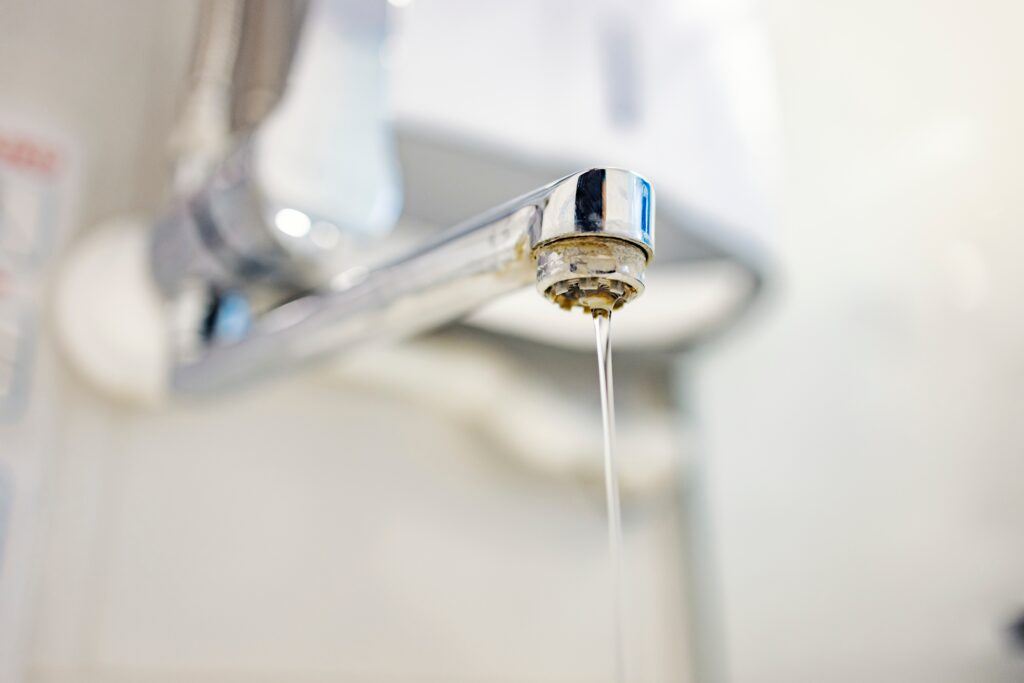
Limescale is a common problem in many regions, particularly in Belgium, where tap water is often rich in minerals such as calcium and magnesium. This "hard water," while potable, gradually deposits residue in pipes, on heating elements of household appliances, and on all surfaces in regular contact with water. In the long run, this causes breakdowns, overconsumption of energy, decreased equipment performance, not to mention daily discomfort (dry skin, stiff laundry, white marks...).
To avoid these inconveniences, installing a water softener via DIMM is both a preventive and sustainable solution. By reducing the limescale content of the water, it helps protect your installations, reduce your maintenance expenses, and extend the lifespan of your equipment.
What is limescale and where does it come from?
Limescale is mainly composed of calcium and magnesium carbonate, two minerals naturally present in water based on the geological nature of the soils it passes through. The more water contains, the more it is said to be "hard," meaning it is loaded with limescale.
This phenomenon is very common in certain regions, notably in the north and east of France, the Île-de-France region, and in Belgium, where water hardness can reach high levels. Although completely odorless and invisible to the naked eye, limescale leaves very real traces: deposits on fixtures, pipe scaling, premature equipment wear... All signs of water that is too hard and, ultimately, impacts household comfort and budget.
The harmful effects of limescale on plumbing
1. On pipes
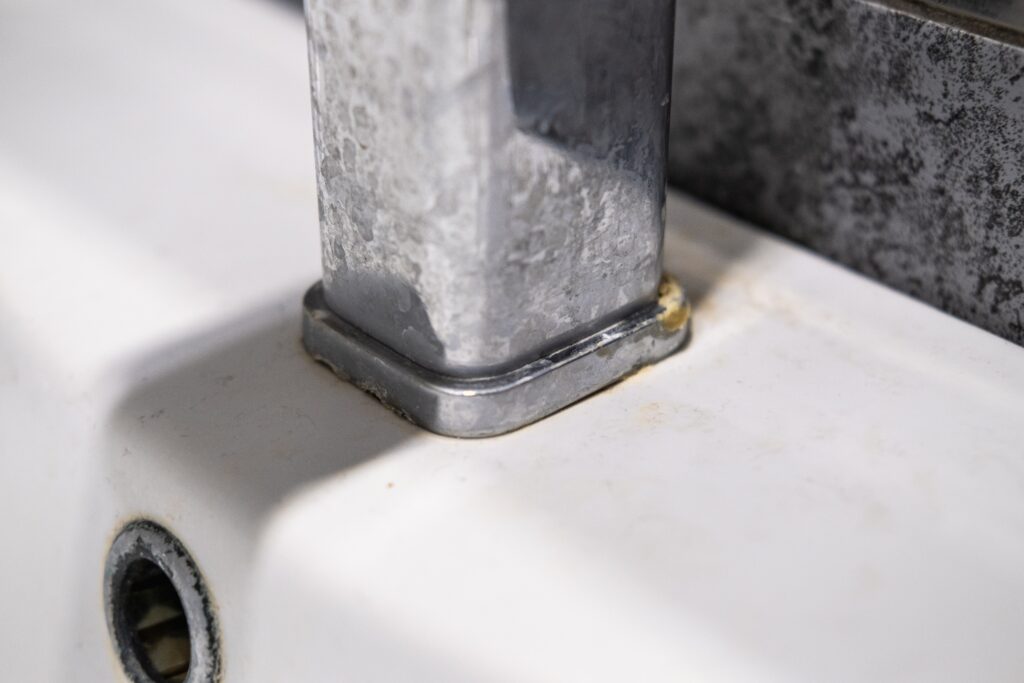
Limescale deposits gradually on the internal walls of pipes, forming what is called scale. This deposit:
Reduces the diameter of ducts,
Decreases water pressure,
Promotes clogs and leaks,
Accelerates corrosion.
Result: weakened plumbing, more expensive to maintain, and susceptible to causing significant damage.
2. On household appliances
Limescale is one of the main enemies of your appliances:
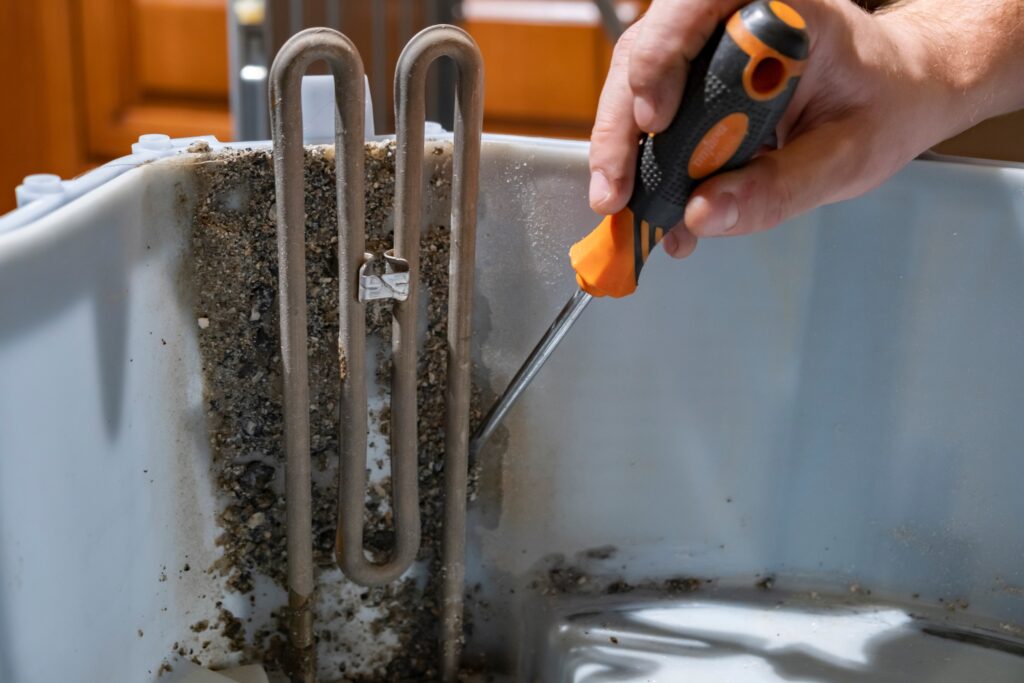
It clogs the heating elements of water heaters, washing machines, or dishwashers,
It causes overconsumption of energy,
It reduces the lifespan of equipment.
For example, a scaled-up water heater can lose up to 30% of its efficiency, resulting in a higher energy bill.
3. On daily comfort
Beyond plumbing, limescale also impacts your daily life:
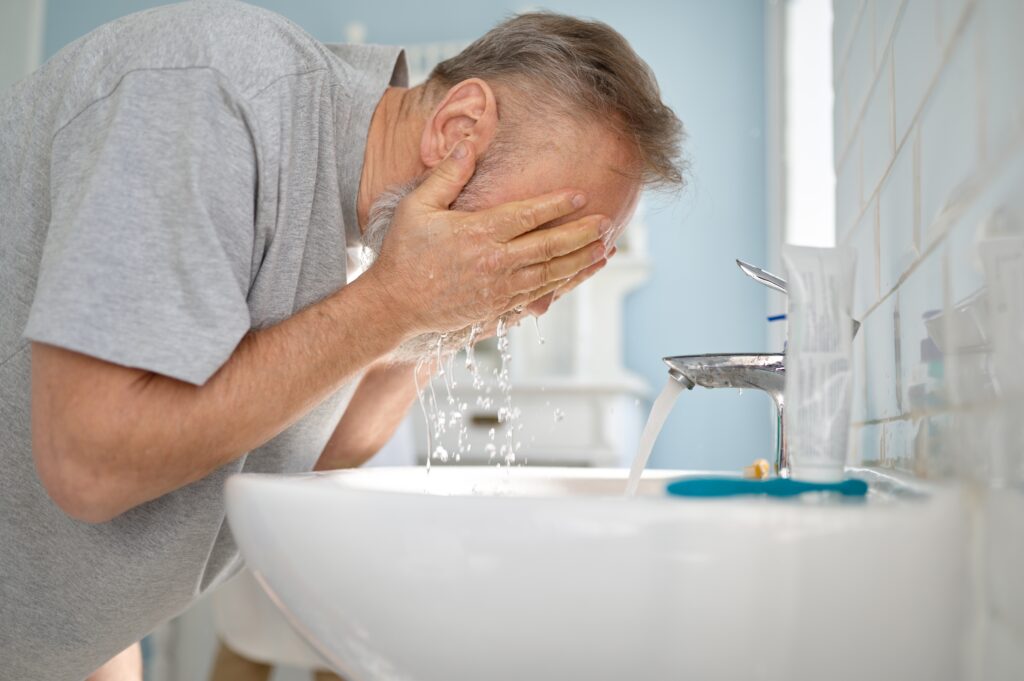
Aggressive water for skin and hair,
Stiff laundry,
Dishes with white marks,
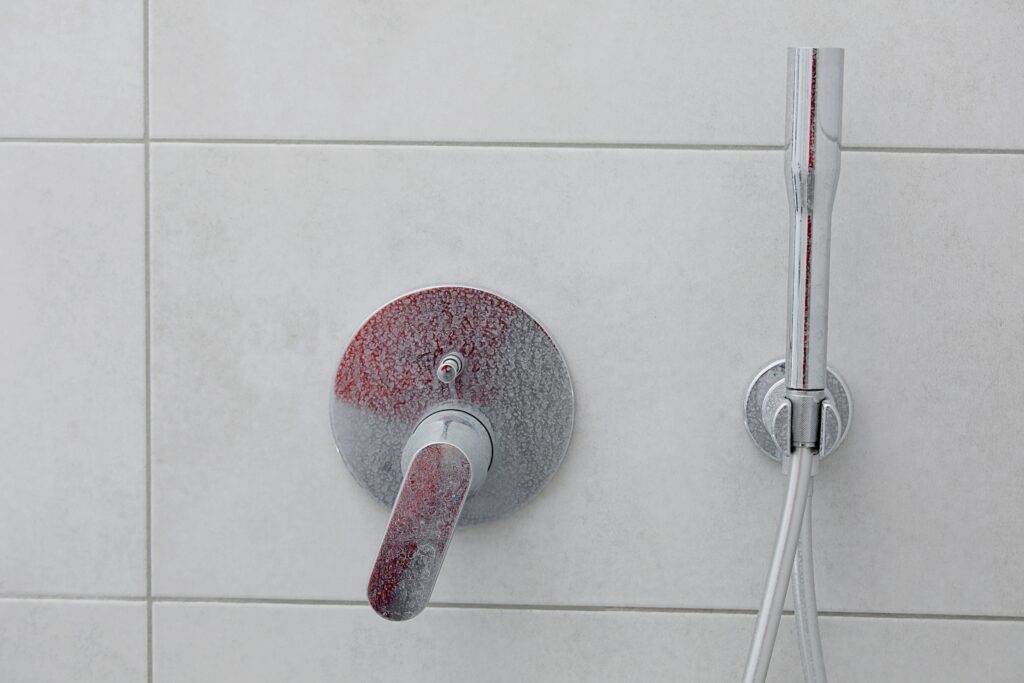
Faucets and shower walls constantly scaled.
Why is a water softener the best solution?
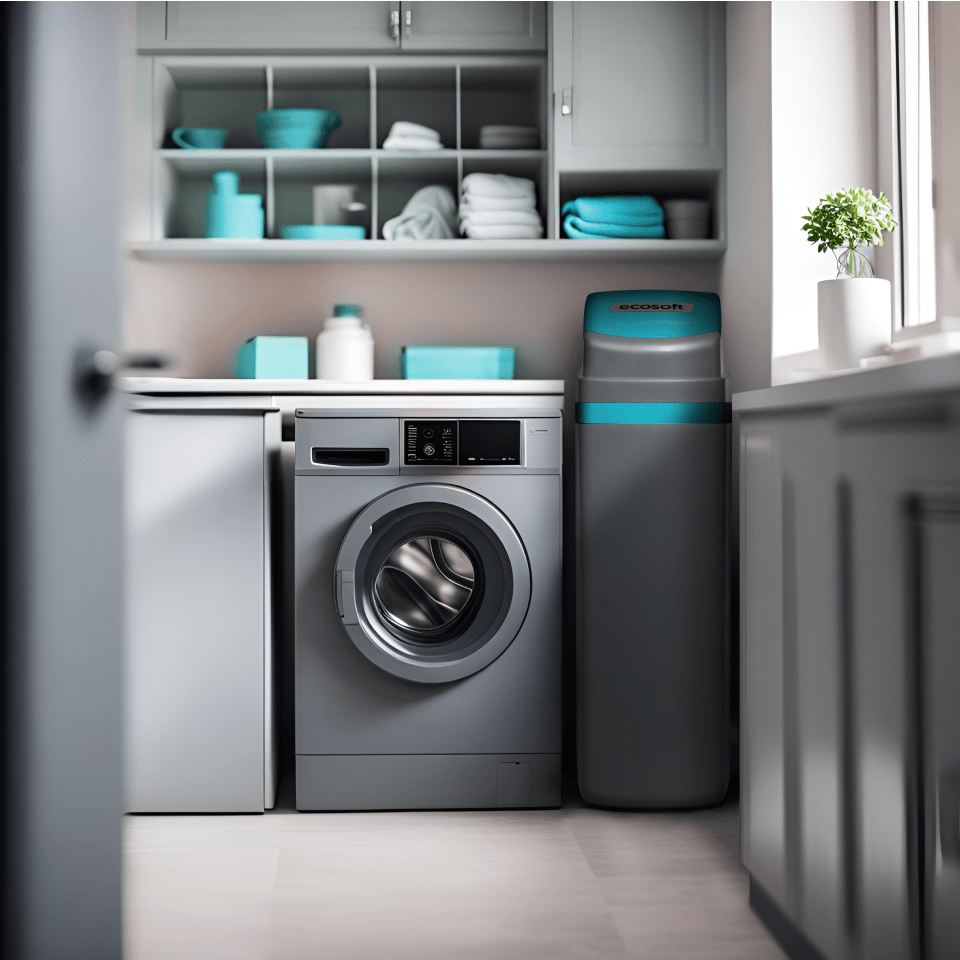
A water softener is a device designed to effectively reduce water hardness by eliminating excess calcium and magnesium, responsible for limescale formation. It works through an ion exchange system, where calcium and magnesium ions are replaced by sodium ions. This process transforms hard water into softened water, much less aggressive for your pipes, household appliances... and your skin.
The advantages of a water softener:
- Extends the lifespan of equipment and pipes
- Reduces energy consumption
- Decreases maintenance needs
- Improves household comfort
- Protects your real estate investment in the long term
The softeners offered by DIMM
At DIMM, we work with brands recognized for their reliability and the quality of their softeners. Our role is to advise you on the model best suited to your home and to ensure clean and sustainable installation.
Why choose DIMM?
- Reliable, tested and approved manufacturer partners
- Installation adapted to your configuration
- Certified products, compliant with current standards
- Fewer breakdowns, less maintenance, and savings
- Local and responsive follow-up, before, during and after