


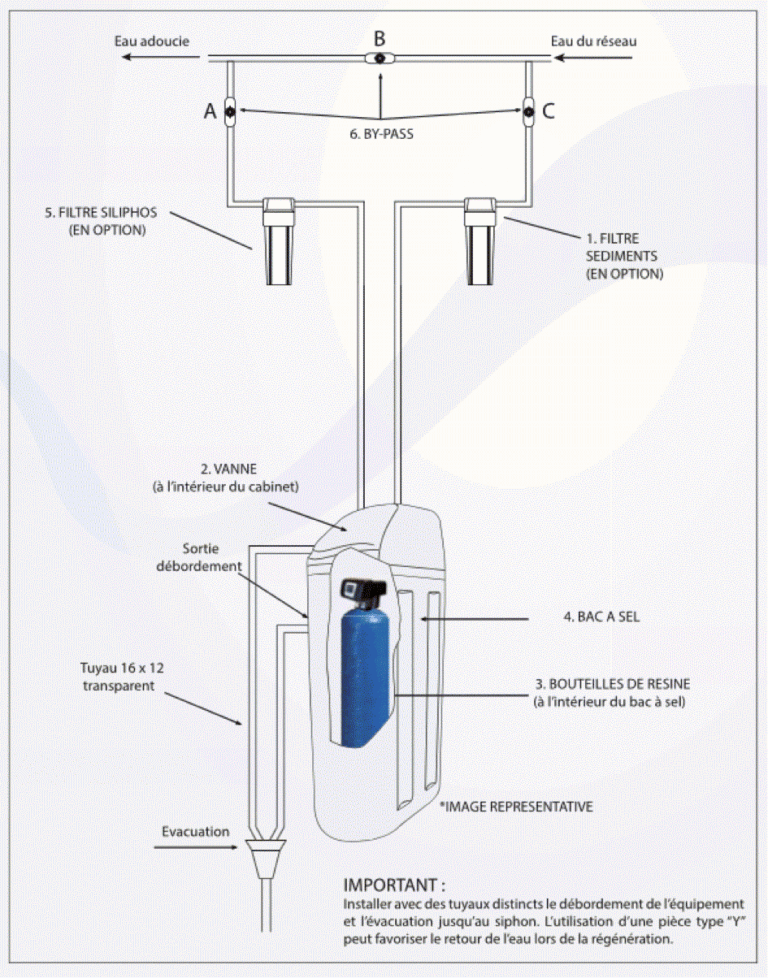
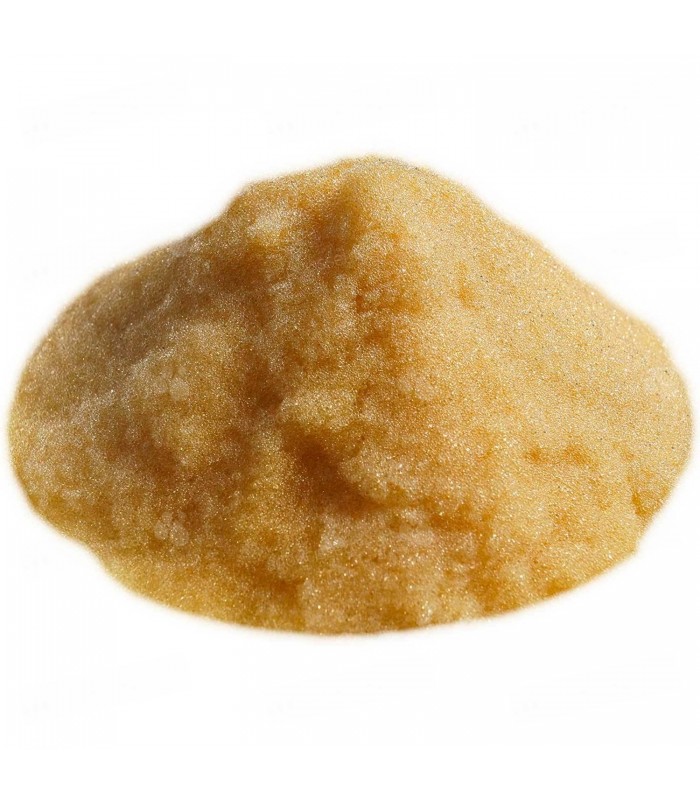
A water softener works on a principle called ion exchange. Hard water flows through a bottle containing a specific resin. This resin can capture calcium and magnesium ions responsible for limescale and replace them with sodium ions.
Thanks to this process, water becomes softer, which significantly limits limescale formation. However, the resin cannot indefinitely store the minerals it captures. Once saturated, it loses its effectiveness and must be cleaned to regain its capacity.
This is precisely when salt comes into play.
The Fundamental Role of Salt in the Water Softener
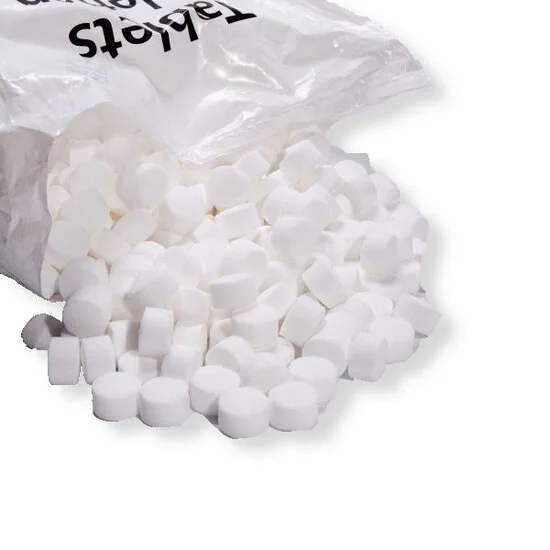
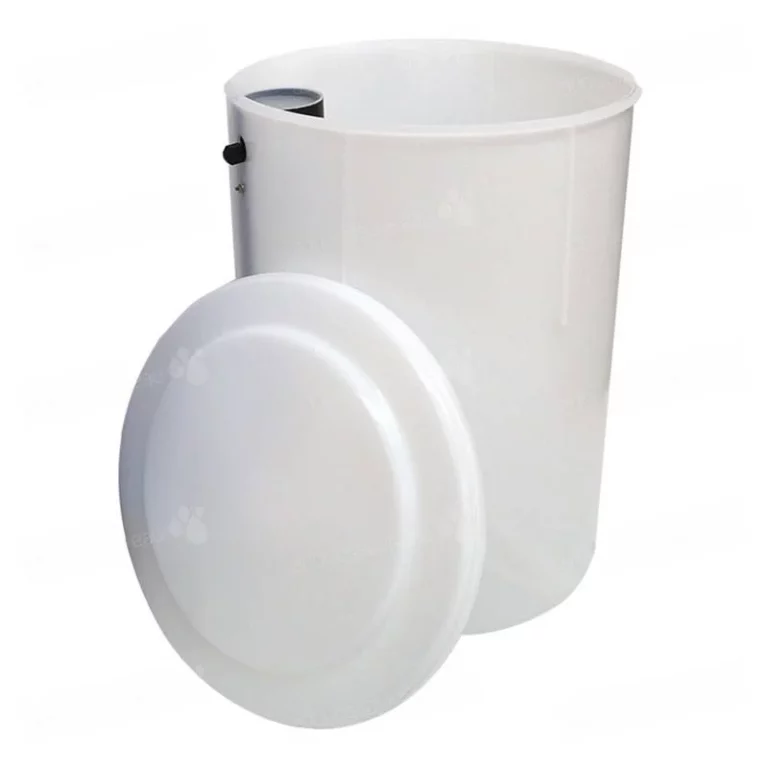
Salt is used to produce brine, water heavily loaded with sodium, stored in the salt tank of the softener. During the regeneration cycle, this brine flows through the resin and makes it possible to eliminate accumulated calcium and magnesium ions.
In other words, salt allows the resin to regenerate and regain full effectiveness. Without salt, the resin remains saturated, and the softener becomes incapable of properly treating water. Salt is therefore a key element to ensure continuous and optimal equipment operation.
Consequences of Insufficient Salt in the Softener
Insufficient salt levels can quickly lead to decreased softener performance. The first signs are often subtle: appearance of white marks, decreased soap lather, less supple laundry.
Over the longer term, absence of salt can cause:
gradual return of limescale in the water,
pipe scaling,
premature wear of water heaters, dishwashers, and washing machines,
increased energy consumption related to scale.
A poorly maintained softener can also suffer costly breakdowns, while simple regular salt addition prevents these inconveniences.
Which salt to choose for a water softener?
Not all salts are equal. For optimal operation, it is essential to use salt specifically designed for water softeners. Several formats exist:
salt pellets, very common, dissolve slowly and limit deposits;
salt crystals, more economical, but sometimes less pure;
salt blocks, used for certain specific models.
It is recommended to favor high-purity salt to preserve the resin and avoid salt tank clogging. Poor salt choice can reduce softener effectiveness and increase maintenance needs.
How often should you refill the salt tank?
The frequency of salt addition depends on several parameters: water hardness, household consumption, resin volume, and device settings. As a general rule, it is advisable to check salt levels once a month.
The salt tank must always contain sufficient quantity to allow automatic resin regeneration. Regular visual inspection allows you to anticipate shortages and avoid any loss of effectiveness.
Good softener maintenance practices
Beyond salt, regular softener maintenance is essential to guarantee its longevity. It is recommended to:
occasionally clean the salt tank,
check for the absence of salt bridges,
verify hardness settings,
have periodic professional maintenance performed.
These simple actions ensure constant quality softened water and durably protect your home installations.
Why entrust your softener maintenance to DIMM?
Calling on DIMM means ensuring professional support at each stage: installation, adjustment, maintenance, and personalized advice. The DIMM teams put their expertise at your service to help you optimize your softener operation and choose the salt best suited to your installation and water.
Conclusion
Salt is an essential element for proper functioning of your water softener. It enables resin regeneration and guarantees continuous soft water. Insufficient salt levels can lead to limescale return and damage to your equipment. By adopting good maintenance practices and relying on DIMM's expertise, you ensure the performance and durability of your water softener over the long term.
Published inBlog