

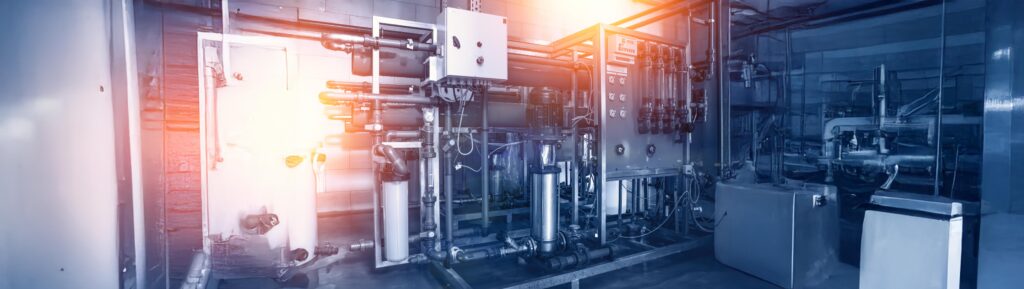
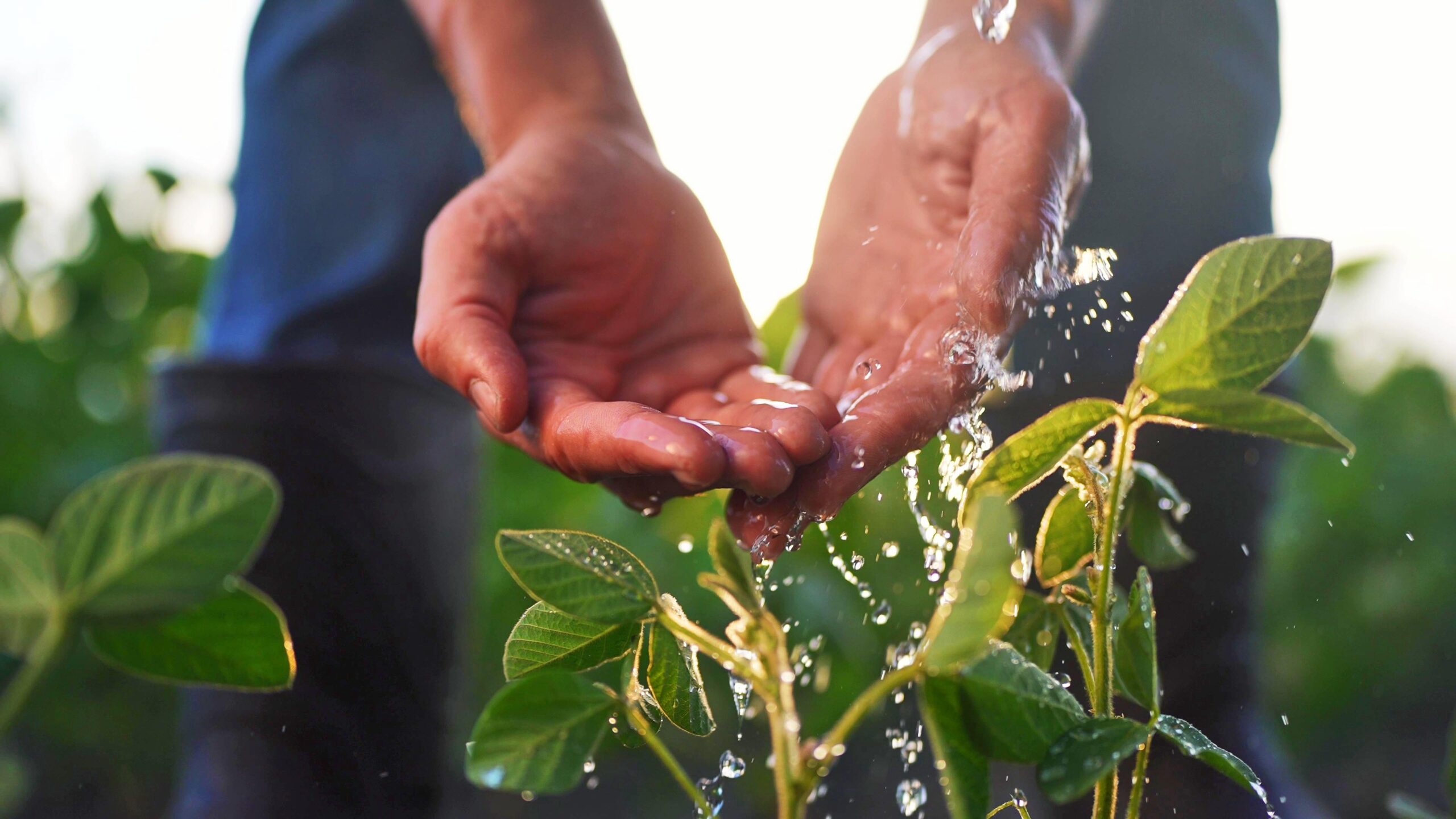
Industrial & Agricultural Water Treatment
Water, the vital resource par excellence, is at the heart of industrial and agricultural operations. Its quality is a determining factor for operational performance, regulatory compliance, and environmental sustainability.
In France, where water legislation is rigorous, Dimm, a recognized specialist in industrial water treatment and agricultural water treatment, offers advanced water treatment solutions to address these complex challenges.
This comprehensive article explores water issues specific to the industrial and agricultural sectors, and details innovative water treatment technologies proposed by Dimm to guarantee optimal water management and water resource optimization.
Critical Challenges of Water Treatment in Industry
The industrial sector is an intensive water consumer, and industrial water quality directly impacts production processes, equipment maintenance, and finished product quality. French industrialists face numerous water-related challenges, requiring customized water treatment solutions and industrial purification systems.
Major Industrial Water Issues:
Hard Water and Limescale:
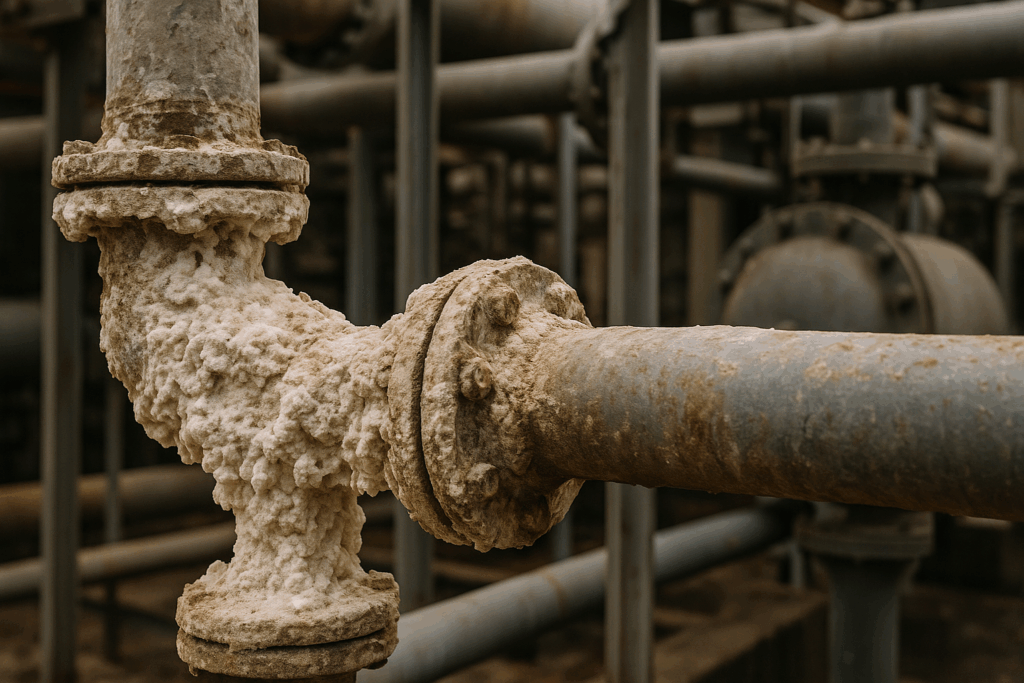
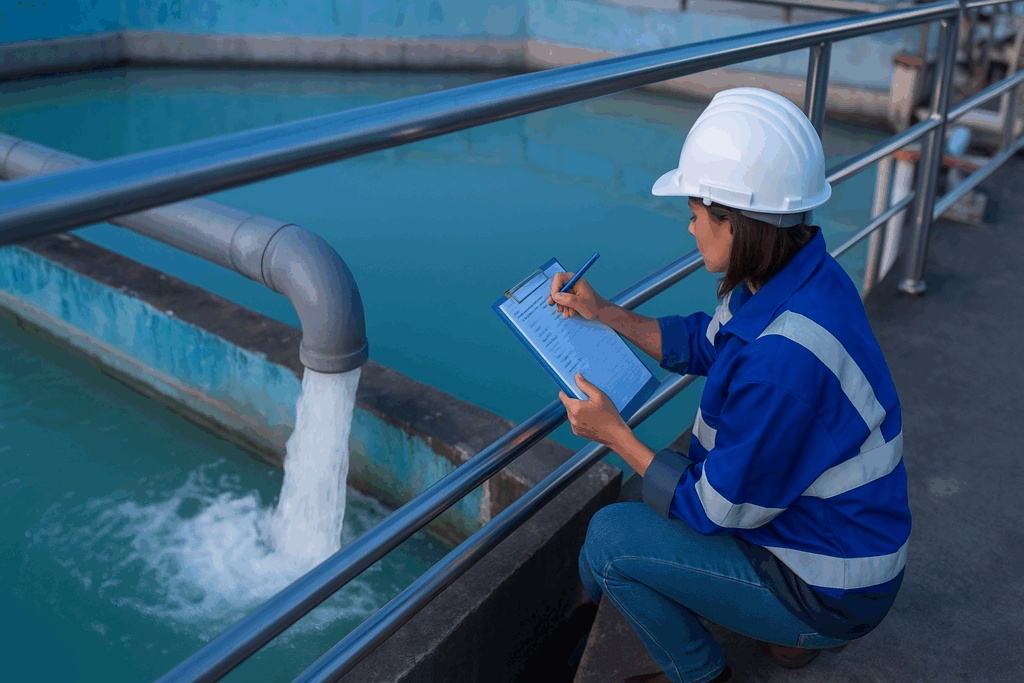
Water hardness, characterized by high concentrations of calcium and magnesium salts, is one of the most widespread problems. Limescale accumulates in cooling circuits, industrial boilers, industrial pipelines, and heat exchangers, reducing energy efficiency, increasing industrial maintenance costs, and causing costly breakdowns. Limescale treatment and scale prevention are therefore essential.
Chlorine and Volatile Organic Compounds (VOCs):
Chlorine is often present in city water used by industries. Although effective for disinfection, it can react with organic matter to form potentially harmful disinfection byproducts (DBPs). Residual chlorine can also alter product quality or damage sensitive membranes in advanced filtration systems. Chlorine elimination is paramount for certain applications.
Taste and Odor:
In the food, cosmetic, or pharmaceutical industry, water with undesirable taste or odor can compromise finished product quality and brand reputation. Organic compounds, algae, or chlorine presence are often responsible for these organoleptic alterations.
Micropollutants and Pharmaceutical Residues:
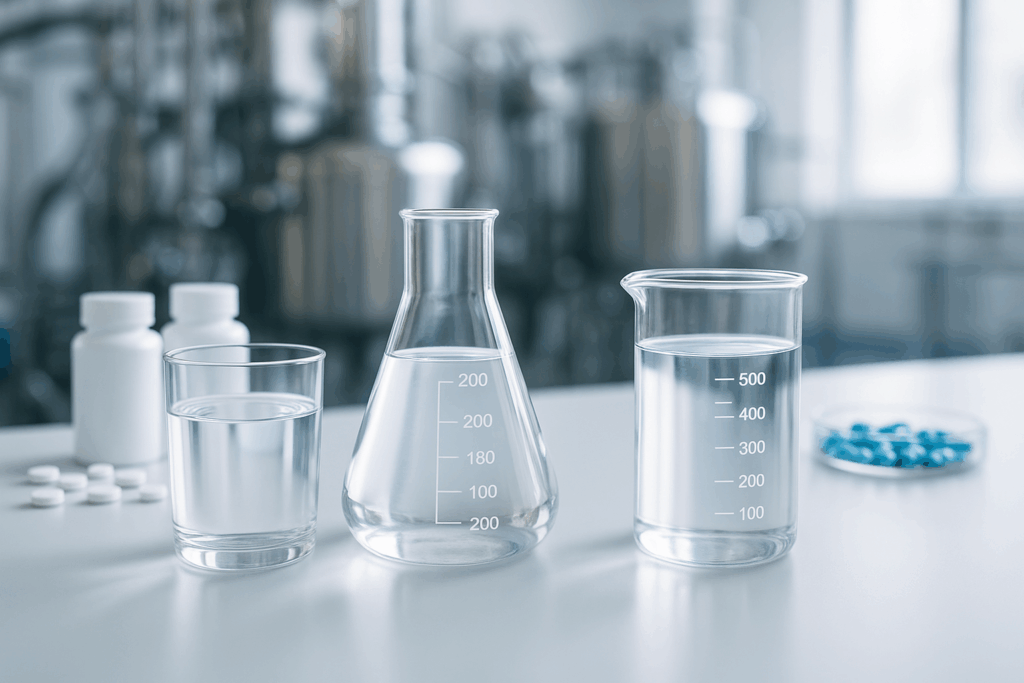
Organic micropollutants, including pharmaceutical residues, industrial chemicals, and endocrine disruptors, are increasingly detected in water resources. Their presence, even at low concentrations, represents environmental and health risks, requiring advanced purification technologies and micropollutant treatment.
Pesticides and Nitrates:
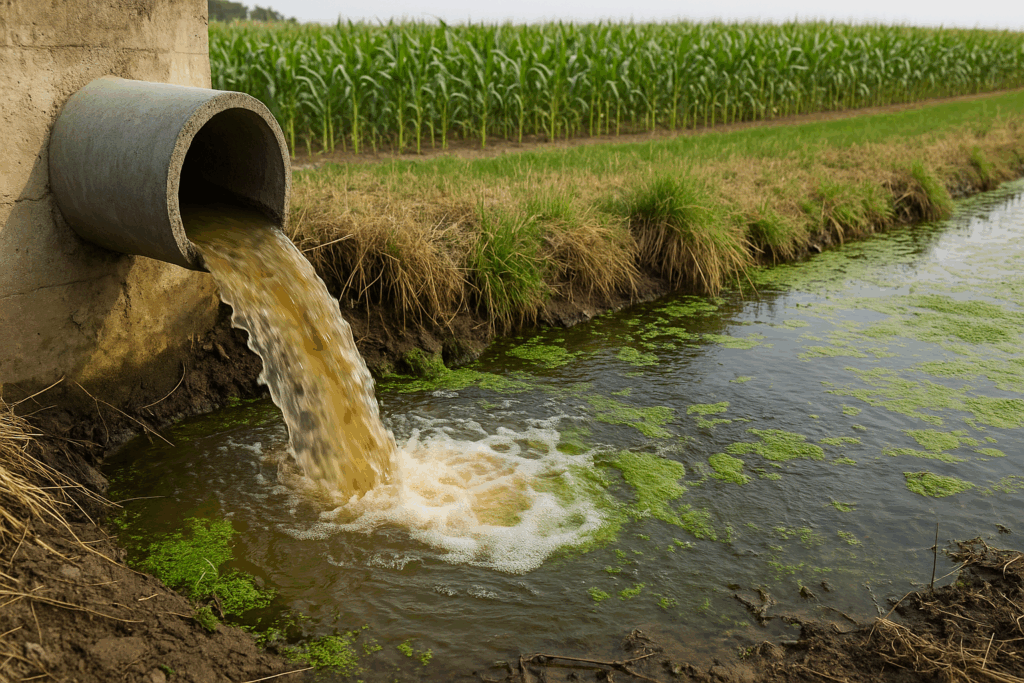
Particularly concerning in agricultural areas, pesticides and nitrates can be found in surface and groundwater used by industries. Their elimination is crucial, especially for food industry or those requiring ultra-pure water. Nitrate treatment and pesticide decontamination are major issues.
Bacteria, Viruses, and Pathogenic Microorganisms:
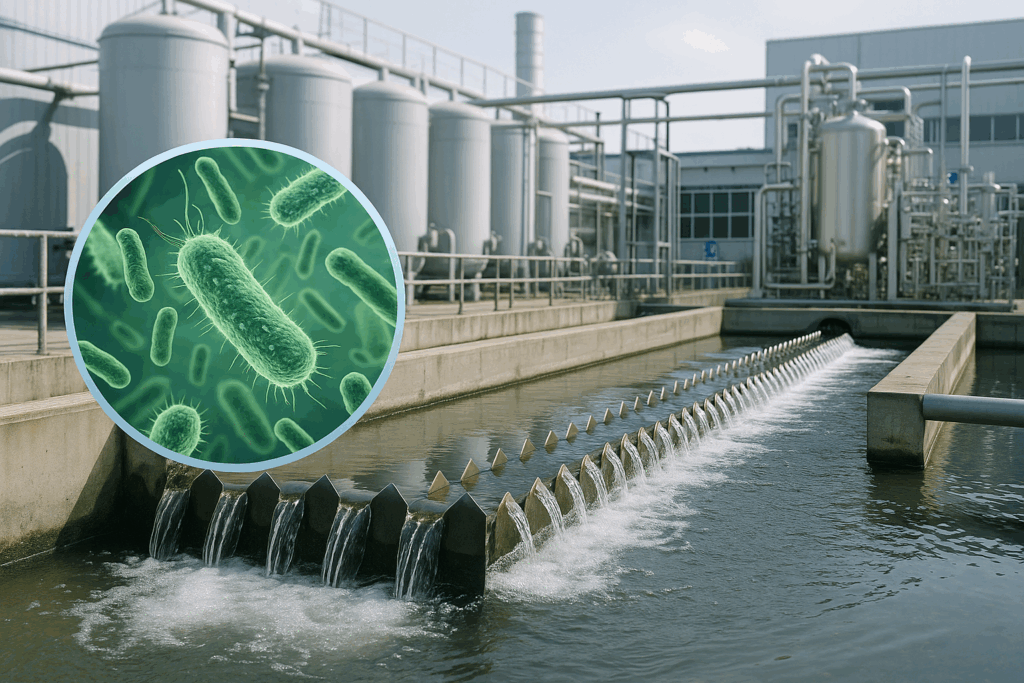
Water microbiological contamination can have disastrous consequences, ranging from microbial corrosion of equipment to product contamination, including health risks for employees. Industrial water disinfection and water sterilization are non-negotiable for health safety.
Turbidity and Suspended Solids (MES):
Water turbidity, due to presence of fine particles, clay, or colloids, can clog systems, reduce effectiveness of subsequent treatments (like UV disinfection), and alter quality of products requiring clear water. Water clarification is essential.
Heavy Metals:
Lead, mercury, cadmium, arsenic, and other heavy metals can be naturally present in water or result from industrial activities. Their toxicity and persistence in the environment require specific elimination treatments and decontamination processes.
Microplastics:
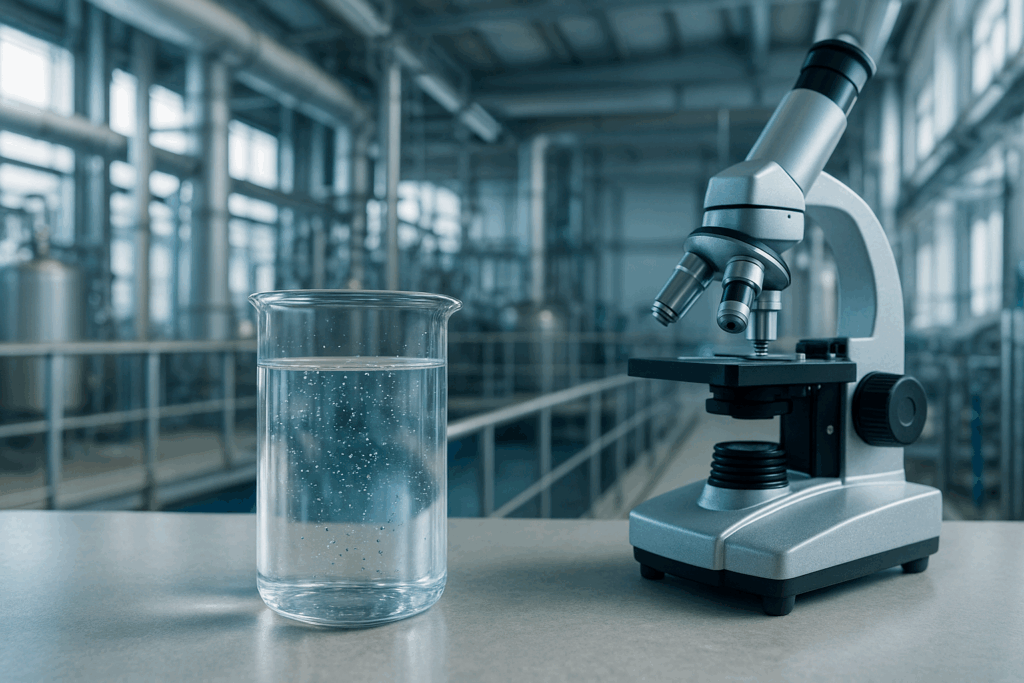
These very small plastic fragments represent an emerging environmental and health problem. Their presence in raw water and even in treated water is a growing concern for many industries, requiring microplastic filtration solutions.

PFAS (Per- and Polyfluoroalkyl Substances):
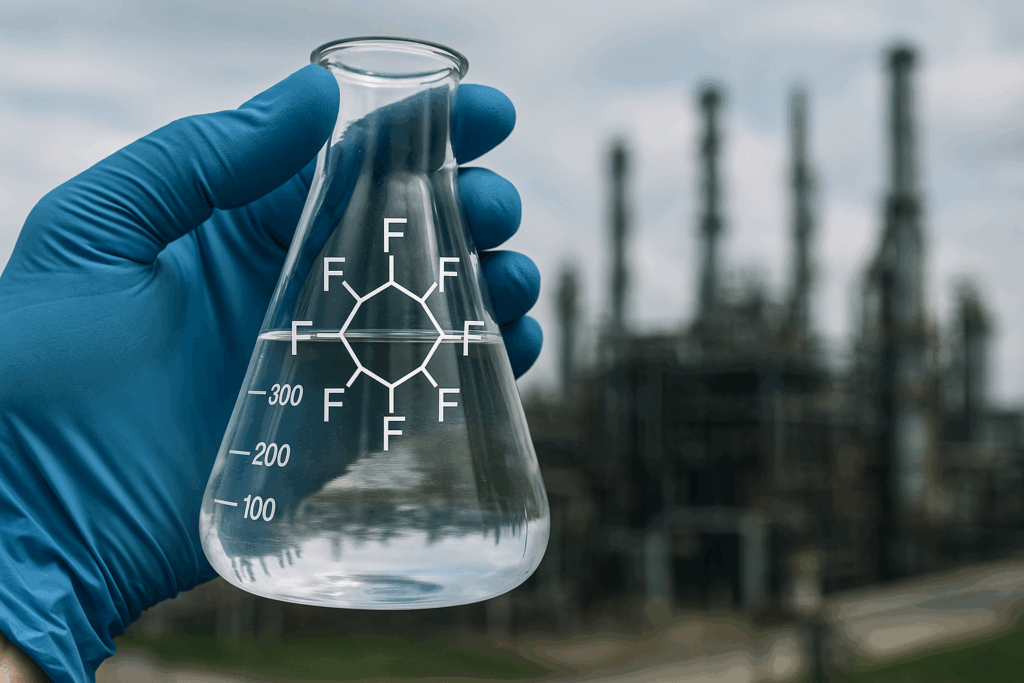
Often called "forever chemicals," PFAS are persistent synthetic compounds, resistant to degradation, and potentially harmful. Their detection and elimination have become a priority for many industries concerned with drinking water and industrial discharges. PFAS treatment is specialized expertise.
Industrial Water Treatment Solutions by Dimm:
Dimm, as a French water treatment expert, offers a complete range of cutting-edge technologies to address these industrial challenges:
Industrial Water Softeners:
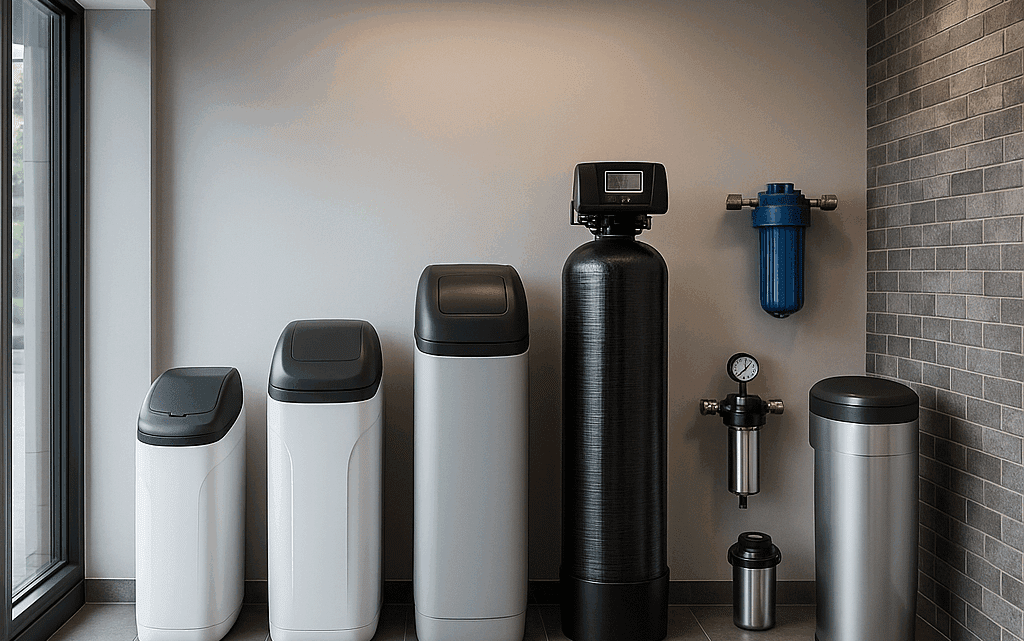
To combat industrial limescale and hard water, Dimm ion-exchange softeners effectively eliminate calcium and magnesium, protecting industrial equipment and reducing maintenance costs. These systems guarantee installation protection.
> Our industrial softener range
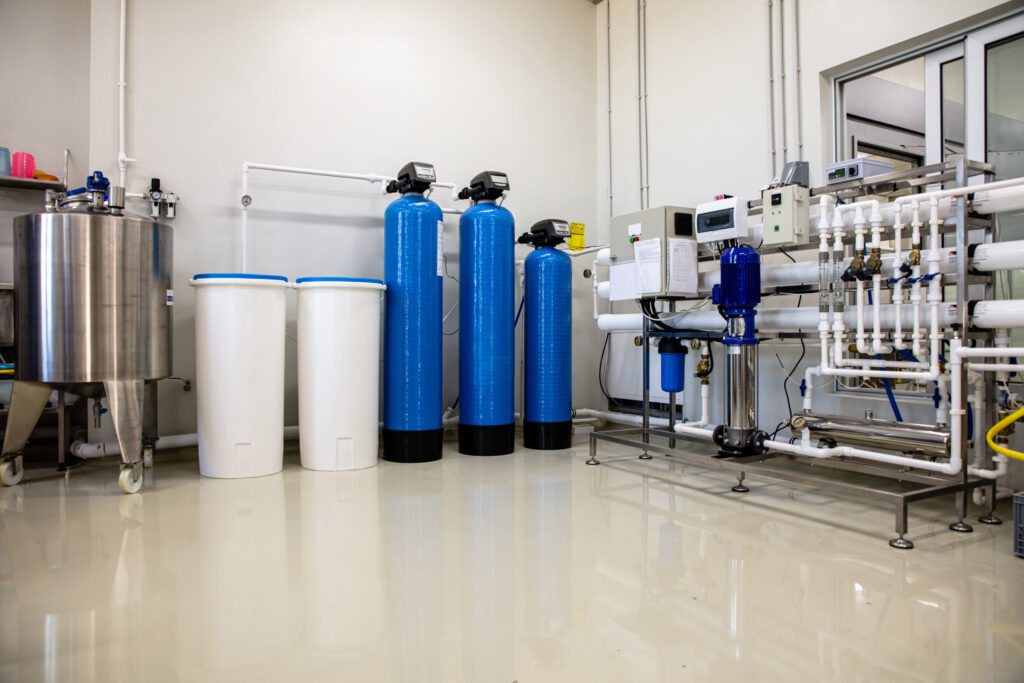
Advanced Filtration Systems:
- Sand and Multilayer Filters: For water clarification and reduction of turbidity and suspended solids (MES). It is effective coarse filtration.
- Activated Carbon Filters: Essential for elimination of chlorine, VOCs, pesticides, micropollutants, and bad odors and tastes. Water deodorization and dechlorination are guaranteed.
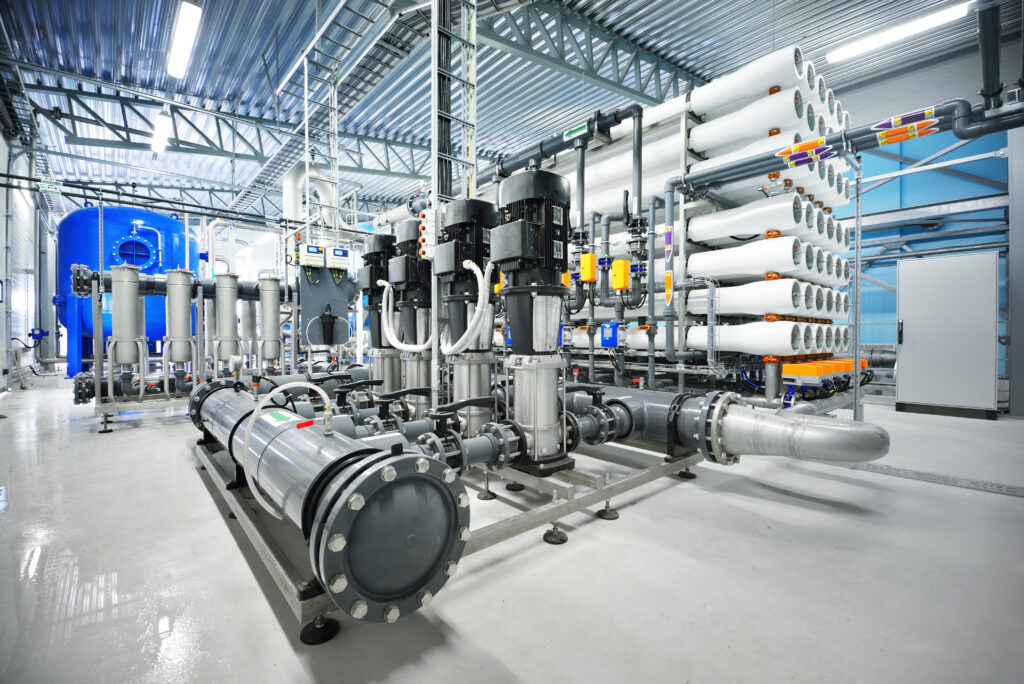
- Microfiltration (MF), Ultrafiltration (UF), Nanofiltration (NF): These cutting-edge membrane technologies allow retention of fine particles, bacteria, viruses, and even certain micropollutants and organic macromolecules, providing high-purity water. These membrane filtration systems are highly efficient.
- Industrial Reverse Osmosis (RO): The ultimate solution for producing demineralized or ultra-pure water by eliminating up to 99% of dissolved salts, heavy metals, nitrates, PFAS, and many other contaminants. Essential for electronics, pharmaceuticals, laboratories, and critical process applications requiring purified water.
Water Sterilization and Disinfection:
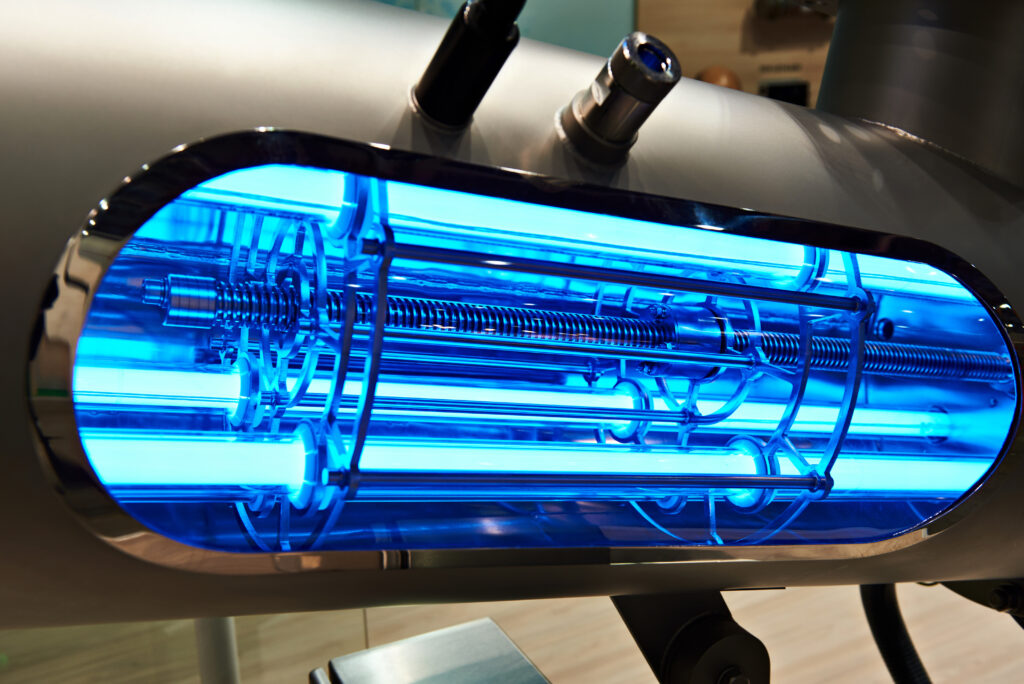
- UV Disinfection (Ultraviolet): An effective physical disinfection method against bacteria, viruses, and protozoa without chemical addition, ideal for chlorine-free water and chemical-free disinfection.
- Chlorination / Dechlorination: For continuous disinfection and bacterial proliferation control in networks, with precise dosing systems. It is chemical water treatment.
Iron and Manganese Removal:
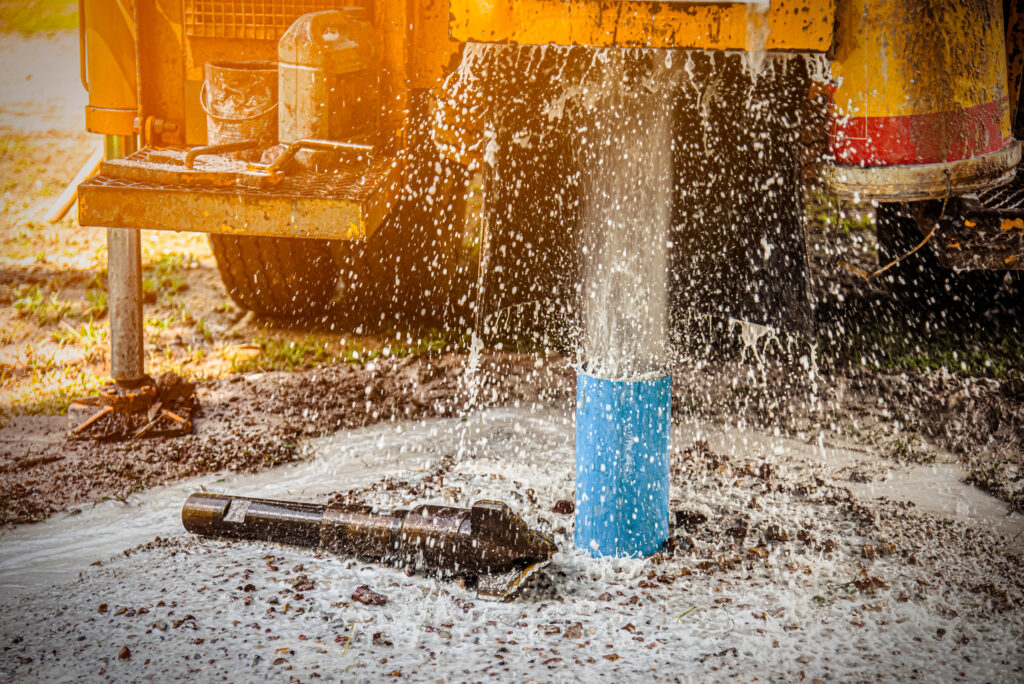
Specific treatment for elimination of iron and manganese, often present in industrial groundwater, which can cause coloration, deposit, and taste problems. Iron and manganese filtration is a specialty.
Water in the Agricultural Sector: A Performance Pillar
Modern agriculture, whether livestock, crop irrigation, horticulture, or food processing, intrinsically depends on optimal quality water. Agricultural water quality directly influences animal health, crop productivity, and food safety.
Specific Agricultural Water Issues:
Hard Water for Livestock:
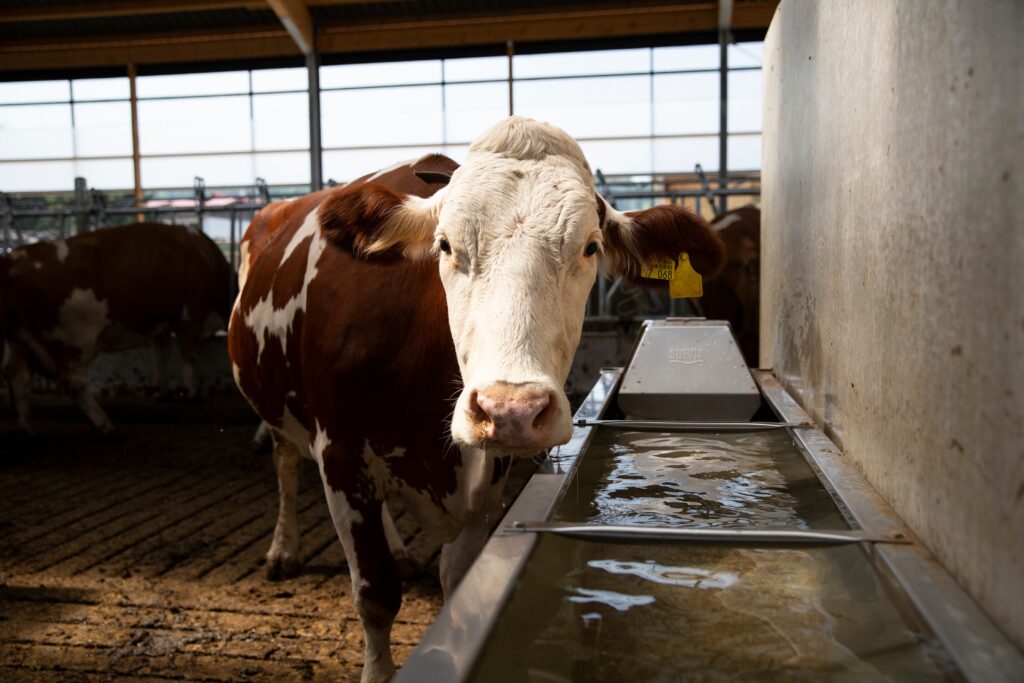
Limescale water can cause scale problems in automatic drinkers, misting systems, and milking equipment, affecting animal welfare and increasing maintenance. Quality drinking water is essential for livestock health and zootechnical performance.
Bacterial and Viral Contamination:
The presence of pathogenic bacteria (E. coli, Salmonella, Cryptosporidium) or viruses in drinking water or wash water can cause animal diseases, reducing livestock productivity and profitability. Drinking water disinfection and agricultural water potabilization are fundamental.
Nitrates and Pesticides:
Intensive use of fertilizers and plant protection products can lead to contamination of aquifers and surface water with nitrates and pesticides. This contaminated water is unsuitable for animal consumption and can affect irrigated crop quality. Groundwater treatment and aquifer protection are crucial.
Turbidity and Suspended Solids for Irrigation:
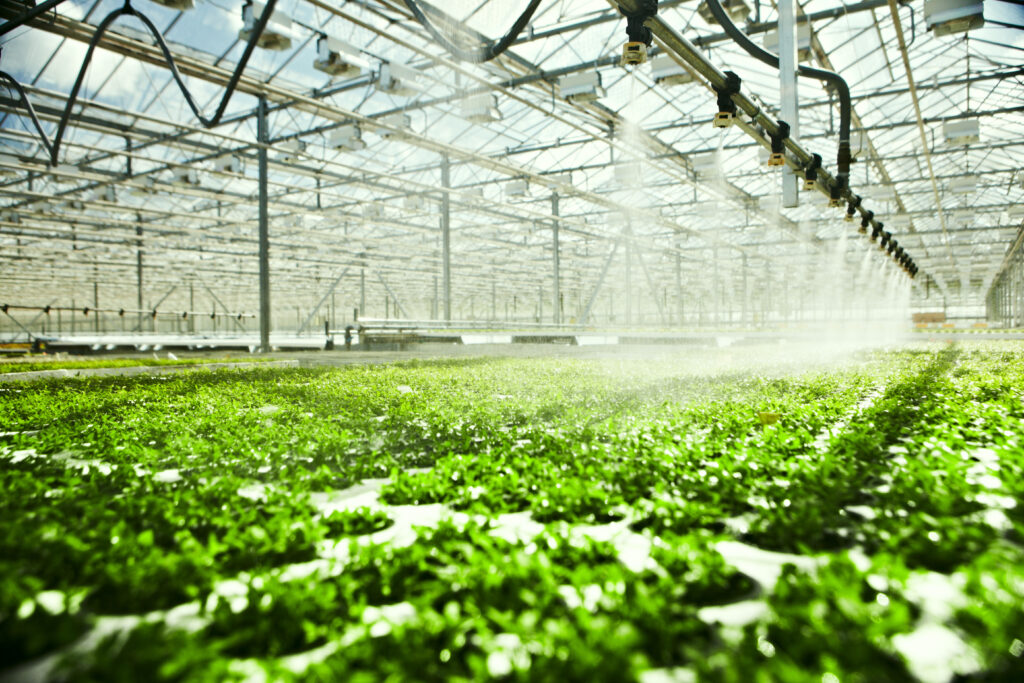
Suspended particles can obstruct drip and sprinkler irrigation systems, reducing effectiveness and requiring frequent cleaning. Irrigation water filtration is therefore vital.
Taste and Odor:
Water with organoleptic alterations can be refused by animals, impacting their hydration and growth. Improving water taste is important for animal acceptance.
Heavy Metals:
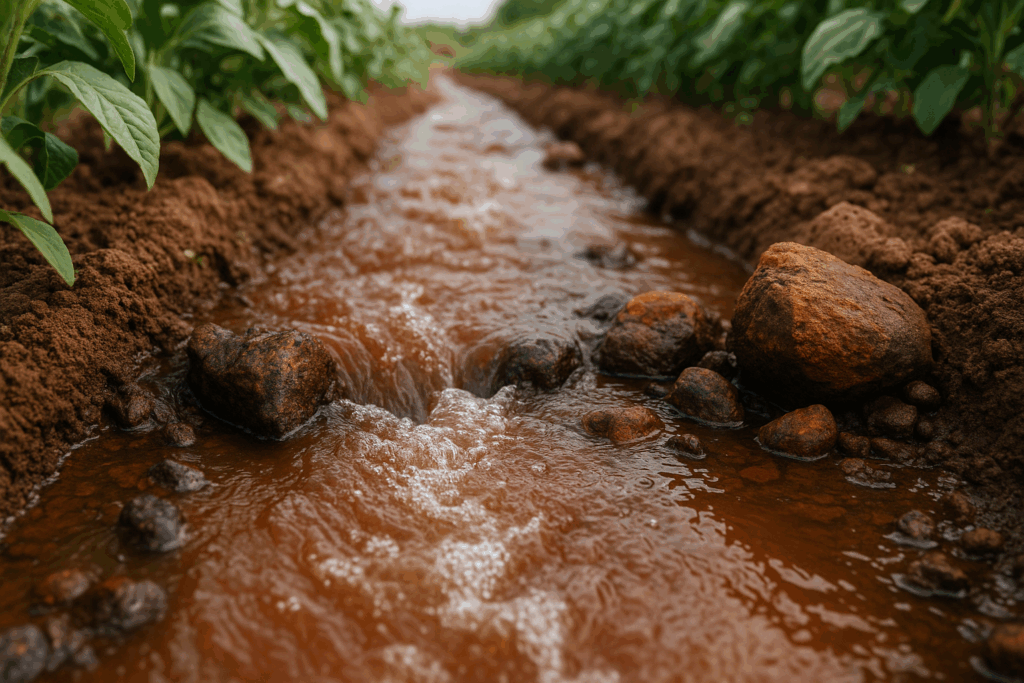
The presence of heavy metals in irrigation water can accumulate in soils and crops, posing risks for food safety and human health. Water decontamination is necessary.
Algae and Biofilm:
In water retention basins or irrigation systems, algae and biofilm can develop, obstructing ducts, affecting water quality, and serving as refuge for pathogens. Algae management and biofilm prevention are challenges.
Agricultural Water Treatment Solutions by Dimm:
Dimm provides agricultural water treatment solutions adapted to specific farm needs:
Agricultural Water Softeners:
To protect livestock equipment and ensure quality water for animals, our water softeners reduce scale formation and improve system efficiency. Softened water is an asset.
Agricultural Filtration Systems:
- Sand and Disk Filters: For pre-filtration of irrigation water and sediment elimination, protecting drippers and sprinklers. It is efficient mechanical filtration.
- Granular Activated Carbon Filters (GAC): Effective for elimination of pesticides, nitrates (in combination with other technologies), chlorine, bad odors and tastes in drinking or process water. Water detoxification is a benefit.
Water Disinfection for Livestock:
- Agricultural UV Disinfection: Ecological and highly effective solution for destruction of bacteria, viruses, and protozoa in drinking water, significantly reducing health risks for animals. UV purification is key technology.
- Chlorination and Dosing Systems: For controlled disinfection of livestock water networks and aquatic pathogen prevention. It is animal drinking water treatment.
Reverse Osmosis for Horticulture and Specialized Livestock:
For production of very pure osmosed water, ideal for certain sensitive crops or preparation of nutrient solutions in hydroponic horticulture, or specific applications in precision livestock. Pure water production is ensured.
Iron and Manganese Removal:
Essential treatment for agricultural well water loaded with iron and manganese, preventing deposits and coloration problems. Iron and manganese elimination is specialized.
Dimm: Your Expert Water Treatment Partner in France
With its experience and recognized expertise, Dimm positions itself as the French specialist in water treatment for professionals, industrialists, and farmers. Our approach is based on:
- In-Depth Water Audit and Analysis: Each project begins with comprehensive on-site water quality analysis and assessment of specific industrial or agricultural needs. We precisely identify water problems and desired water quality objectives. Water diagnostics is our starting point.
- Custom Solution Design: We do not offer generic solutions. Our specialized engineers design turnkey water treatment systems, perfectly adapted to technical, regulatory, and budgetary requirements of each client. Whether for new installation or existing system optimization, we offer personalized solutions.
- Innovative and Sustainable Technologies: Dimm incorporates latest technological advances in water treatment, promoting energy-efficient, environmentally responsible, and sustainable solutions. We emphasize water footprint reduction and water valorization. Our water treatment equipment is cutting-edge.
- Professional Installation and Commissioning: Our qualified technical teams ensure flawless installation and rapid equipment commissioning, with comprehensive operator training. After-sales service is guaranteed.
- Customized Maintenance and Follow-up: To guarantee equipment longevity and continuous treatment performance, Dimm offers preventive and corrective maintenance contracts, regular water quality monitoring, and responsive technical support. Water quality control and system maintenance are paramount.
- Regulatory Compliance: We ensure all our solutions comply with the strictest French and European standards regarding water quality for industrial discharges, process water, and water for animal consumption or irrigation. Compliance achievement is our commitment.
Dimm Commitment to Environment and Performance
Water treatment is no longer a simple constraint, it is a performance lever and strong environmental commitment. By optimizing water management, industrialists and farmers can:
- Reduce Operating Costs: Less maintenance, lower energy consumption, less water waste. It is cost optimization.
- Improve Product Quality: Better water quality for flawless finished products. It is production improvement.
- Extend Equipment Lifespan: Protection against limescale, corrosion, and clogging. It is sustainable investment.
- Guarantee Regulatory Compliance: Avoid fines and penalties related to non-compliance. Legal security is assured.
- Strengthen Brand Image: Demonstrate strong commitment to sustainability and environmental responsibility. It is competitive advantage.
- Ensure Health Safety: Protect employee health, animal health, and consumer health. Health risk prevention is a priority.
In conclusion, facing pressured water resources and increasing quality requirements, water treatment for industrialists and farmers has become a strategic necessity. Dimm, with its expertise and innovative solutions, is the preferred partner to accompany all French businesses in optimizing their water management, guaranteeing performance, sustainability, and compliance.
Contact usContact us for a personalized assessment of your water treatment needs and discover how we can help you master your water cycle.
> Learn more: everything about drinking water regulations
Published inBlog