

Drinking water quality regulations and standards in France:
This guide provides you with a comprehensive overview of drinking water regulations in the workplace, and presents professional technical solutions to improve perceived water quality or meet specific needs.
As a professional — whether you run a business, school, restaurant, local government or medical facility — you are responsible for the quality of the water you use and distribute. Tap water, although largely compliant with health standards, may have characteristics that do not suit certain professional uses or certain sensitive populations.
But how do you know if the water is truly compliant? What are the regulatory criteria to meet? What does an analysis report mean? What substances are allowed in drinking water in France? Most importantly, what are the water treatment solutions to improve water quality distributed in a professional environment?
Drinking water among the most controlled in the world
France has a particularly rigorous drinking water monitoring system. Water intended for human consumption is considered by the Public Health Code as a food, which implies very strict quality requirements, aligned with European standards.
Key regulatory references
The main references are:
- The Public Health Code (articles R.1321-1 to R.1321-66)
- European Directive 2020/2184 on the quality of water intended for human consumption
- Ministerial orders specifying the modalities of surveillance, sampling and analysis
These texts define the thresholds not to exceed for more than 70 different parameters, divided into major categories.
Regulated parameters in drinking water
Here are the main types of regulated parameters:
1. Microbiological parameters
- Escherichia coli
- Enterococci
- Clostridium perfringens
- Coliform bacteria
2. Chemical parameters
They include potentially toxic or polluting substances:
- Nitrates and nitrites
- Pesticides and disinfection by-products
- Heavy metals: lead, copper, nickel
- Aromatic hydrocarbons (benzene, toluene, etc.)
3. Organoleptic parameters
They affect the sensory perception of water:
- Taste
- Odor
- Color
- Turbidity
4. Physical and indicator parameters
They allow monitoring of overall water quality and stability:
- pH
- Conductivity
- Temperature
- Hardness (limescale level)
5. Emerging pollutants
Although recently identified, these elements are already subject to special attention:
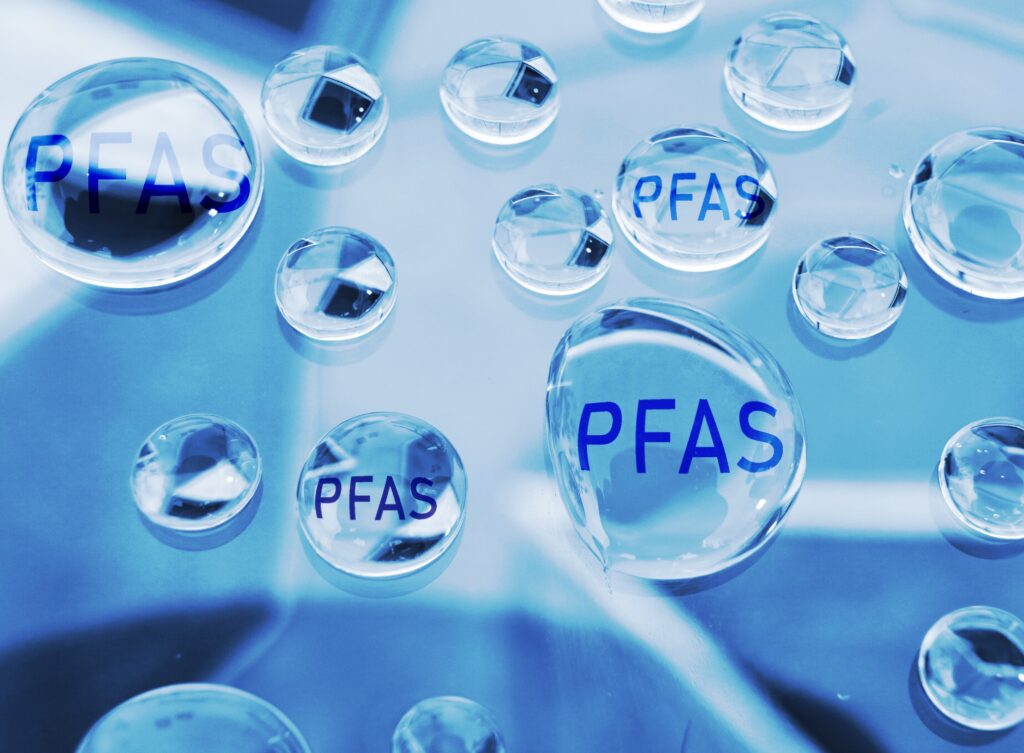
- PFAS (per- and polyfluoroalkyl compounds)
- Microplastics
- Pharmaceutical and hormonal residues
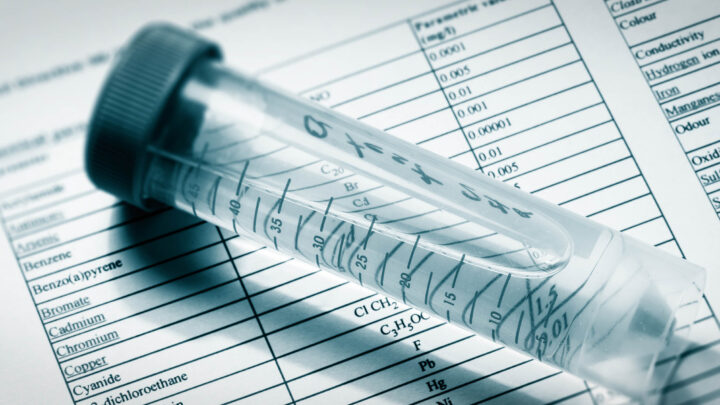
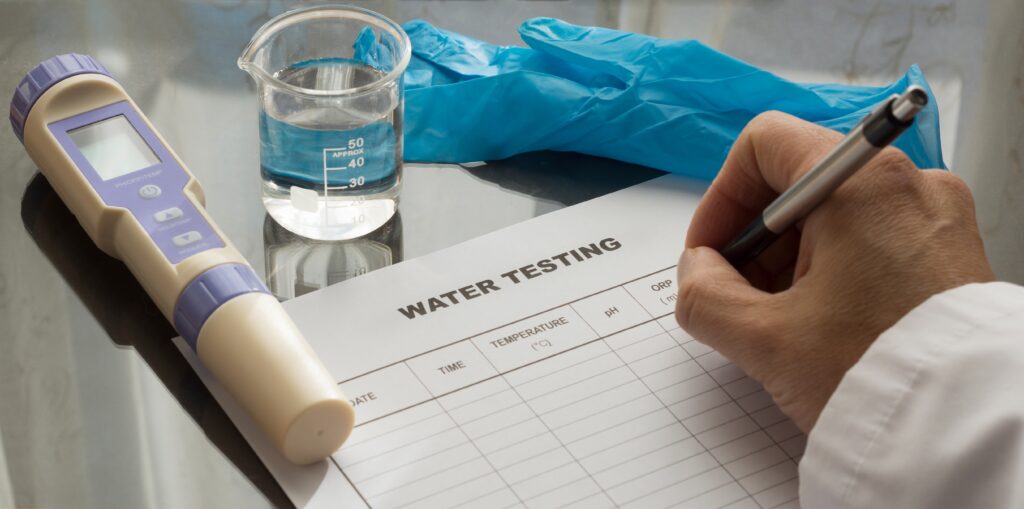
How to interpret a water analysis report for your business?
Managers of public buildings (hospitals, schools, etc.) or technical staff regularly receive a water analysis report, provided by the municipality, water supplier or an independent laboratory.
Here is a guide to understanding the most common data:
Parameter | Regulatory threshold | Meaning |
pH | 6.5 to 9 | Measures acidity or basicity |
Nitrates | < 50 mg/L | Agricultural pollution |
Lead | < 10 µg/L | Toxic metal from old pipes |
Turbidity | Low (max. 1 NTU) | Indicates clarity, presence of particles |
Conductivity | < 2500 µS/cm | Measures dissolved salts |
Free chlorine | < 0.3 mg/L (guideline value) | Disinfection residue |
The statement "Compliant with quality requirements" means that all regulatory thresholds have been met.
Substances allowed in drinking water in France: tolerances and limits
Even if water meets regulations, it may contain certain substances in quantities deemed tolerable but potentially troublesome for professional uses. Here are a few examples:
- Chlorine: up to 0.3 mg/L — used for disinfection, but sometimes affects taste or odor
- Nitrates: maximum threshold of 50 mg/L — beyond that, health effects are possible (babies, pregnant women)
- Pesticides: limit of 0.1 µg/L per molecule, and 0.5 µg/L total
- Lead and copper: allowed in traces, but subject to enhanced monitoring
- Microplastics and PFAS: under scientific and regulatory evaluation
Common problems and professional water treatment solutions
Even if tap water is potable, it may have physical, chemical or organoleptic characteristics unsuitable for certain professional activities. Here are the main problems encountered and the technical solutions recommended for each case.
Problem: Hard water (hardness > 30 °f)
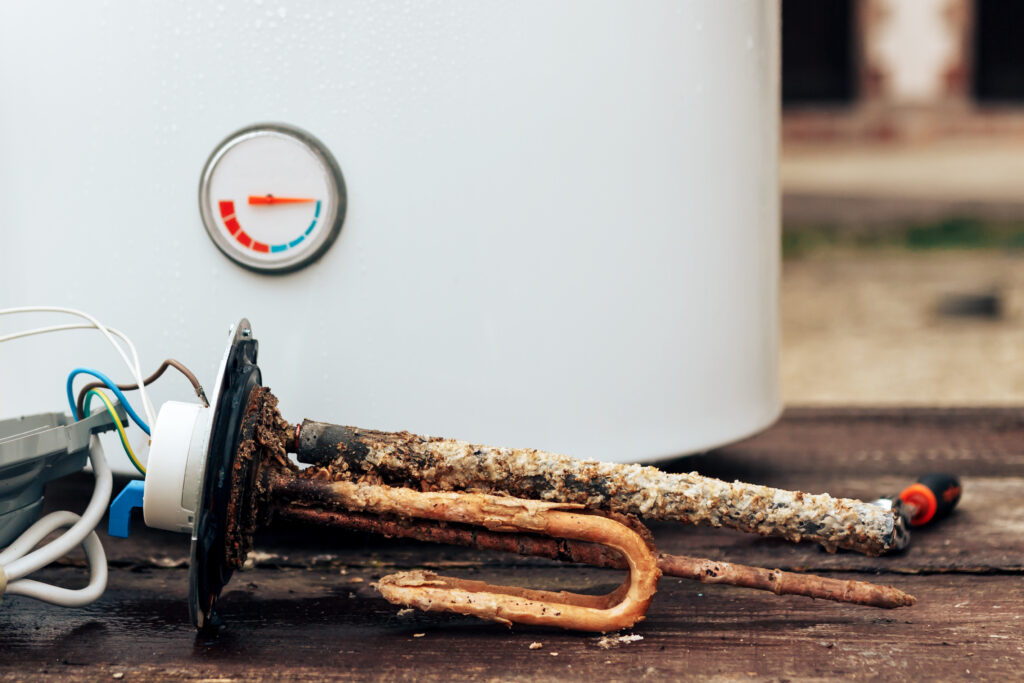
Consequences:
- Scaling of boilers, hot water tanks, dishwashers
- Reduced energy efficiency
- White deposits on fixtures, windows or dishes
Solutions to combat hard water:
- Ion exchange water softeners, with automatic regeneration
- Monitor residual hardness to avoid under-softening
Problem: Unpleasant taste or odor (chlorine, organics)
Consequences:
- Customer or user complaints
- Reduced voluntary consumption (in schools, restaurants)
Solutions to remove chlorine taste from drinking water:
- Activated carbon filters (under sink, on fountains, or centrally)
- Combined filter cartridges (chlorine + pesticides + VOCs)
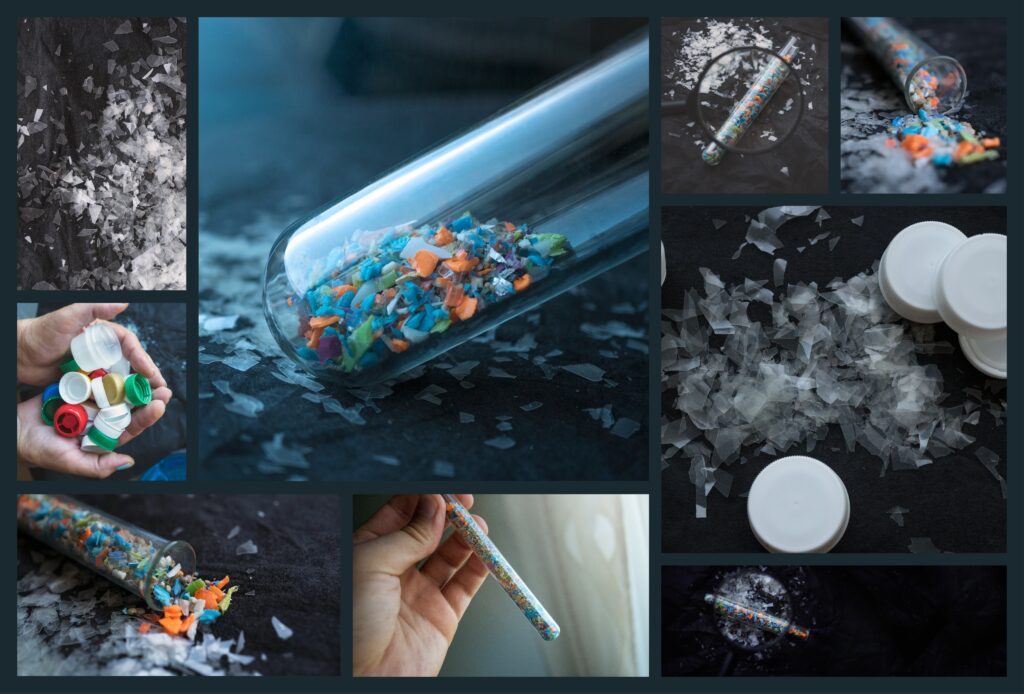
Problem: Presence of invisible micropollutants
Examples:
- Pharmaceuticals
- Hormones
- Industrial solvents
- Plasticizers (bisphenol A)
Solutions in treating micropollutants in water:
- High-performance reverse osmosis
- Nanofiltration membranes (cut-off < 0.001 µm)
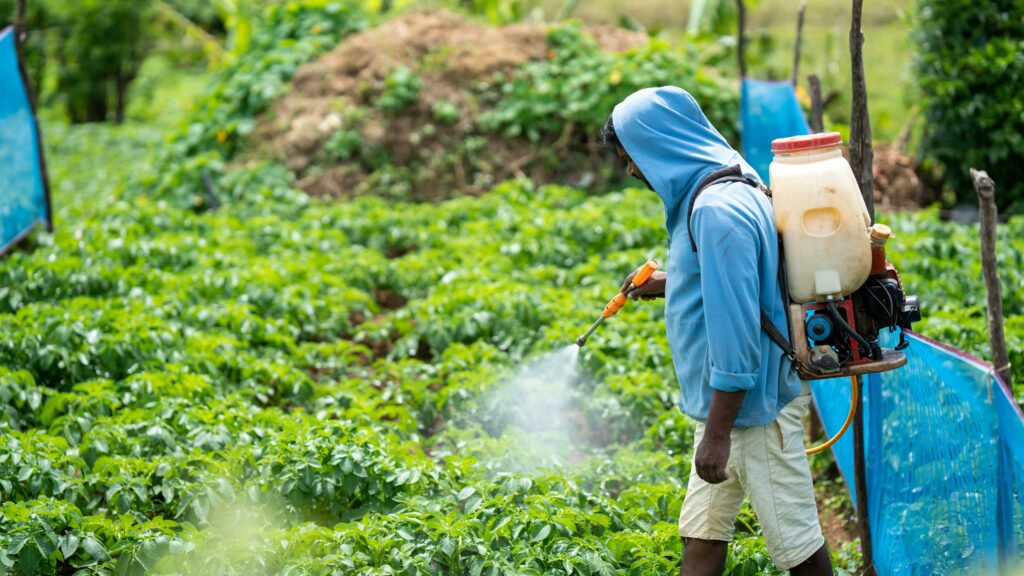
Problem: Nitrates and pesticides
Context:
- Rural areas, local governments, agricultural facilities
Risks:
- Infant contamination (blue baby syndrome)
- Potential carcinogenic effects of pesticides
Solutions for reducing nitrates and pesticides in water:
- Multi-stage professional reverse osmosis
- Selective anti-nitrate resins
Problem: Localized microbiological risk
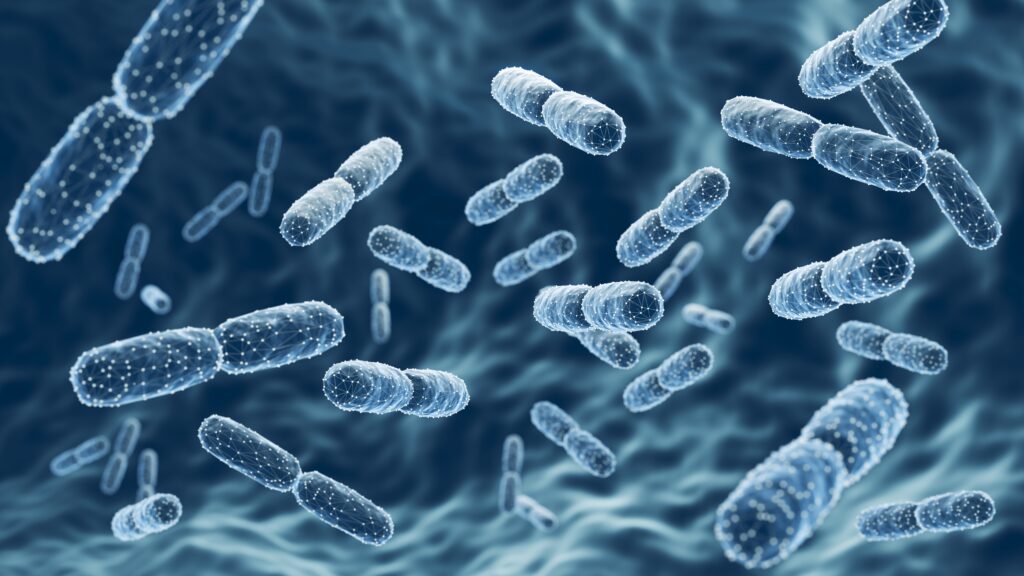
Possible origin:
- Rarely used draw-off points
- Biofilm in old pipes
Solutions for disinfecting drinking water:
- Bactericidal UV lamps (UV-C 254 nm)
- Bacteriostatic or sterilizing filters
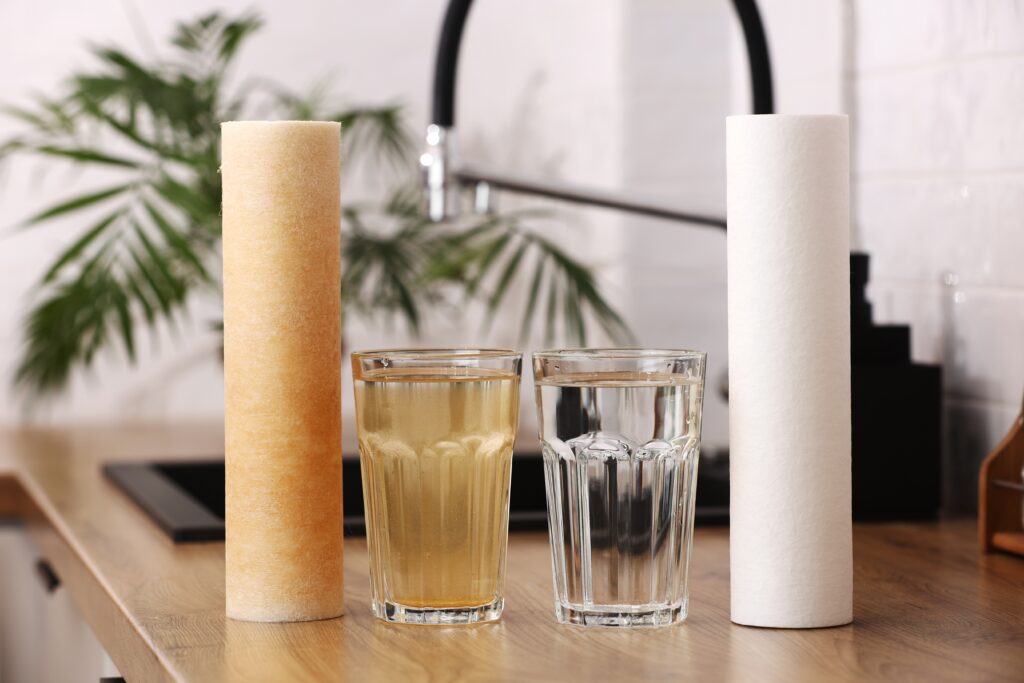
Problem: Turbid or milky water (turbidity)
Consequences:
- User mistrust
- Visual appearance not meeting expectations (especially in food service)
Solutions for treating turbid water or turbidity:
- Multi-layer sediment filters
- Mechanical filtration (mesh 5 to 20 µm)
Problem: Heavy metals (lead, copper, nickel)
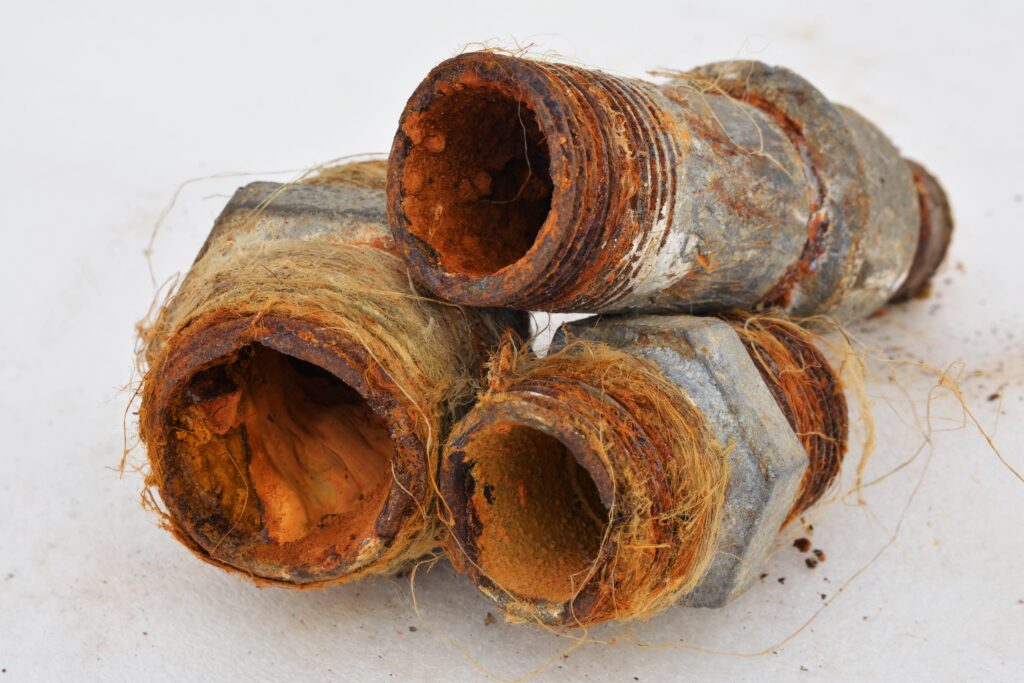
Origin:
- Old pipes
- Tin or lead-based solder
Professional solutions:
- Activated carbon filters enriched with specific adsorbents
- KDF-based systems (copper-zinc alloy)
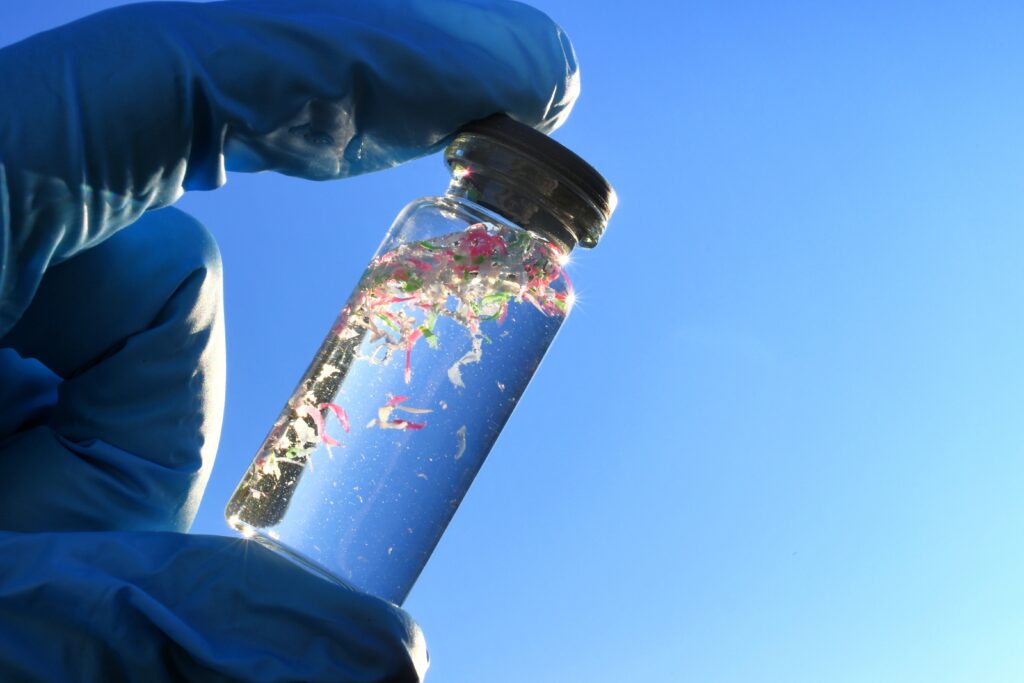
Problem: Microplastics PFAS (forever chemicals)
Context:
- Highly persistent chemicals (non-stick coatings, fire-fighting foams)
- Plastic particles under 5 mm
- Source: detergents, cosmetics, textiles, plastic degradation
Solutions for eliminating PFAS from drinking water:
- Reverse osmosis
- Nanofiltration + pre-filtration >1 µ
Audit, installation and follow-up: the Dimm approach for professionals
Dimm, a recognized expert in water treatment for professionals, offers a comprehensive approach:

- Personalized technical audit of your installation
- Analysis of drinking water reports received
- Tailored recommendations for your activity and constraints
- Certified installation of high-performance treatment systems
- Regular follow-up and replacement of consumables (filters, lamps, resins)
Whether you are a local government, school, health facility or restaurant, you benefit from customized and scalable solutions.
Conclusion: Water that is regulatory compliant, but needs local adaptation
Tap water in France is generally of very good quality and meets strict standards. However, in a professional context, it is often necessary to go beyond regulatory requirements, to ensure optimal comfort, irreproachable hygiene and user confidence.
Each building, each activity, each configuration has its own specificities. Water quality is not measured only by its compliance, but also by its perception and its suitability for the final use.
Contact usContact Dimm for a free audit and discover the solutions best suited to your needs. Guarantee pure, healthy and fully controlled water, for the safety of your teams and the quality of your service.
Published inBlog