

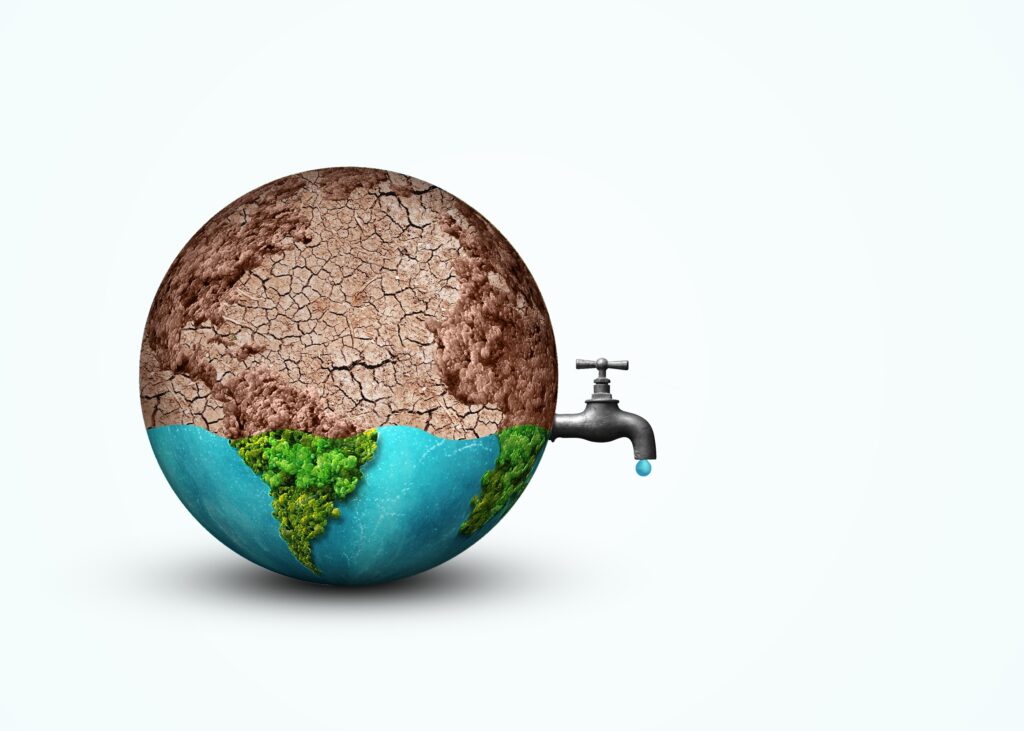
Climate change is disrupting our environment at an unprecedented pace. Among its many consequences, drinking water quality is particularly vulnerable. Prolonged droughts, intense rain episodes, rising temperatures, and hydrological cycle disruptions alter the chemical, physical, and microbiological characteristics of water resources.
These phenomena increase the presence of pollutants such as microplastics, pesticides, heavy metals, but also pathogens. In parallel, treatment and distribution infrastructure must face unprecedented constraints.
In this article, we provide an in-depth analysis of climate change's impact on water quality, its health and ecological consequences, then highlight DIMM water treatment solutions, adapted to current challenges.
Climate Change and Its Direct Effects on the Water Cycle
Droughts and Water Stress: A Risky Cocktail
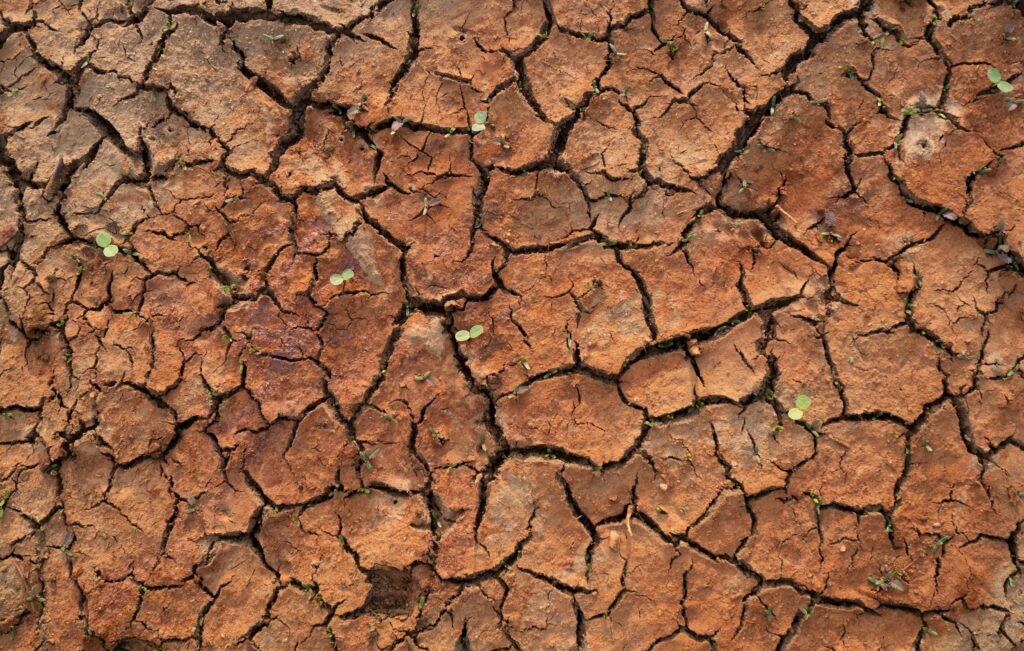
Increasingly long and severe droughts in several regions lead to a significant drop in groundwater levels. This decrease reduces the volume of water available for dilution of naturally occurring pollutants (arsenic, fluorine) or anthropogenic ones (nitrates, pesticides). The concentration of these substances thus increases in groundwater, which constitutes a significant portion of drinking water sources.
Furthermore, the decrease in river and watercourse flow reduces their ability to renew water, promoting stagnation and proliferation of algae and bacteria. This phenomenon also generates higher turbidity, complicating classical treatment processes.
Extreme Precipitation and Polluting Runoff
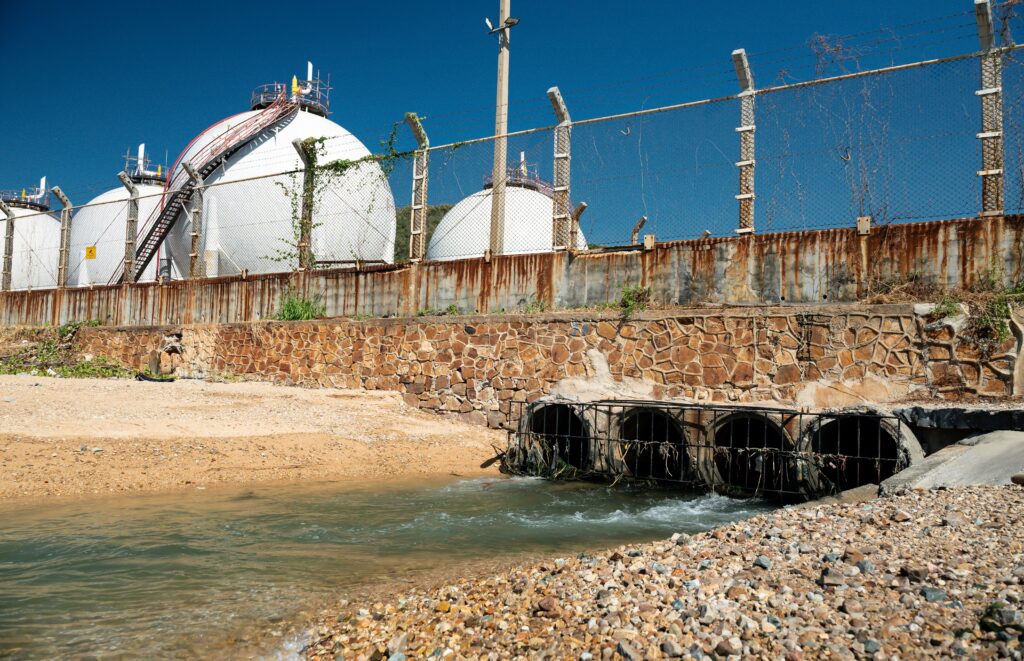
Conversely, climate change is responsible for an increase in the frequency and intensity of violent rain episodes. These sudden heavy rains cause significant runoff from agricultural and urban soils, carrying with them various contaminants: pesticides, fertilizers, hydrocarbons, microplastics, suspended matter.
Treatment plants can then become overloaded, leading to releases of partially treated water into natural environments. These accidental discharges alter the quality of surface waters and aquifers, primary sources of drinking water supply.
Temperature Rise and Microbiological Impact
The overall increase in temperatures favors the growth of aquatic organisms such as cyanobacteria (blue-green algae), which produce dangerous toxins for health. Furthermore, certain pathogenic bacteria and viruses see their development accelerated, increasing contamination risks.
This context necessitates enhanced monitoring and more effective treatments to guarantee water safety in networks.
Impacts on Drinking Water Quality and Health Risks
Chemical Contaminants: A Growing Threat
Toxic chemical substances, such as nitrates from intensive agriculture, persistent pesticides, heavy metals (lead, arsenic, mercury), and emerging pollutants like PFAS (perfluoroalkylated substances), accumulate in water resources.
Microbiological Contamination and Turbidity
Microbiological contamination episodes (bacteria, viruses, parasites) are more frequent in extreme climate contexts. High turbidity, linked to suspended matter presence, can further protect these micro-organisms, making their elimination more difficult.
Turbid water therefore requires enhanced treatment to guarantee absence of infection risks.
Vulnerable Groups and Long-term Impacts
Children, elderly people, pregnant women, and immunocompromised individuals are particularly sensitive to contamination. Degraded water can cause serious illnesses and developmental effects.

DIMM Solutions: Advanced Technologies for Safe Water
Facing these challenges, DIMM offers a complete range of technical solutions to ensure optimal water quality, regardless of environment.

A2O Pure Osmosis Unit: Ultra-Efficient Filtration
The A2O Pure osmosis unit is a reference in advanced domestic filtration. Thanks to its membrane with extremely fine pores (0.0001 micron), it eliminates up to 99% of contaminants:
- Microplastics
- Heavy metals (lead, arsenic)
- Pesticides and PFAS
- Bacteria and viruses
This solution is particularly recommended in rural or periurban areas impacted by drought or diffuse contamination.
Advantages:
- Compact under-sink installation
- Significant reduction of chemical and microbiological pollutants
- Optimized water savings with recovery system
Multi-Stage Filters: Protection Against Turbidity and Particles
Before reverse osmosis, pretreating water is essential to remove solid particles and reduce turbidity.
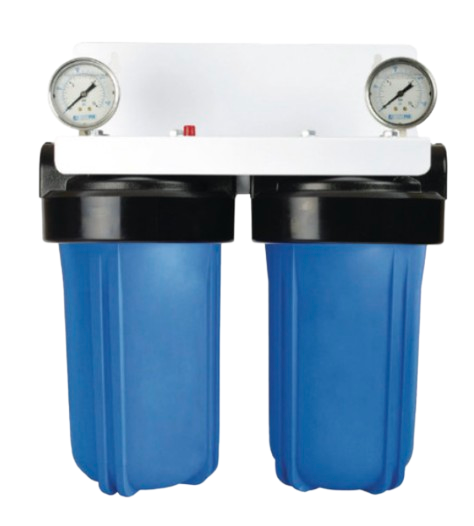
Big Blue 20'' filters equipped with 5-micron sediment cartridges effectively eliminate:
- Sands, clays, muds
- Organic suspended matter
- Visible microplastics
This extends the lifespan of osmotic membranes and improves overall quality.
➡️ See the Big Blue 20'' filter at DIMM

3.4 Water Softener: Prevention of Limescale and Corrosion
Hard water promotes limescale deposits, causing pipe encrustation and installation corrosion, which degrades water quality.
A DIMM water softener reduces hardness, protects equipment, and limits bacterial proliferation on internal surfaces.
➡️ Choose a DIMM water softener suited to your needs
Adaptation and Best Practices for a Resilient Future
To anticipate climate change effects, several actions are recommended:
- Regular water quality monitoring with targeted analyses (pH, nitrates, metals, micro-organisms)
- Rigorous equipment maintenance: periodic filter replacement, UV control, osmosis unit performance tracking
- Watershed protection: reforestation, stormwater management, limitation of chemical inputs
- User awareness for responsible and sustainable management

Climate change imposes increased vigilance over drinking water quality. Thanks to adapted and proven solutions such as those offered by DIMM (osmosis units, filters, UV sterilization, softeners), it is possible to anticipate and significantly reduce health risks.
To ensure your health and that of your family, it is essential to assess your water quality and choose an efficient treatment system adapted to your needs.
Contact our experts Published inBlog