

Water Turbidity:
Water turbidity is a fundamental parameter often underestimated in assessing water quality. For Dimm, the water treatment specialist in France, understanding and controlling turbidity is at the heart of our comprehensive water treatment solutions, whether for domestic drinking water, industrial processes or professional applications.
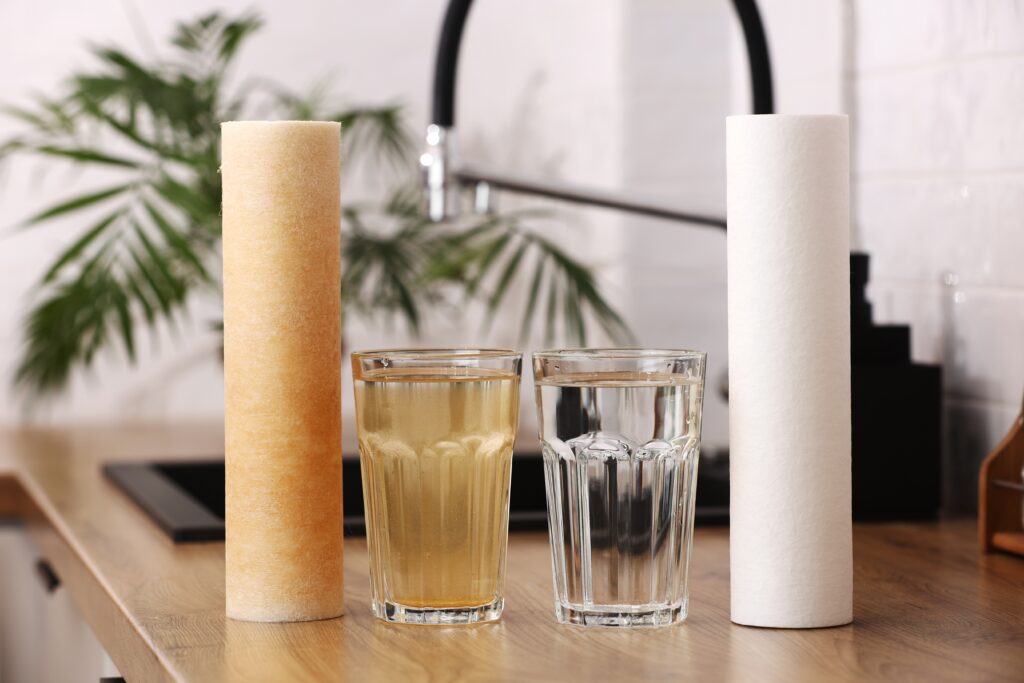
This opacity, caused by the presence of colloidal suspended matter, fine particles and undissolved impurities, is not merely an aesthetic problem making water murky; it indicates the potential presence of dangerous contaminants that can compromise water health safety and water purification system effectiveness. Clear water is synonymous with water purity and healthy water.
What is Water Turbidity? Definition, Causes and Measurement of Murky Water
Water turbidity is defined as the degree of opacity or murkiness caused by light scattering and absorption due to the presence of colloidal particles in suspension, suspended organic matter, clays, silts, sediments, microorganisms (algae, bacteria, viruses) or other undissolved impurities in water. Unlike dissolved solids, these suspended solids in water are small enough to remain suspended for long periods, preventing light from passing through water without diffusion, hence the appearance of milky or opaque water. Turbidity causes are varied: soil erosion, agricultural runoff, industrial spills, intense rainfall, snowmelt, construction activities, or algae proliferation in surface waters. Turbidity measurement is crucial and is performed using a turbidimeter, an instrument that quantifies light scattering by particles. The standard measurement unit is NTU (Nephelometric Turbidity Unit), or sometimes FTU (Formazin Turbidity Unit), and a low NTU value indicates clearer water, purified water and potentially cleaner water. Strict turbidity standards are established for drinking water, notably by the World Health Organization (WHO) and national regulations in France and at European level (drinking water directive), to guarantee safe consumption water, secure water and irreproachable water quality. Turbidity control is an essential water quality parameter.
Impact of High Turbidity: Health Risks and Water Treatment Operational Problems
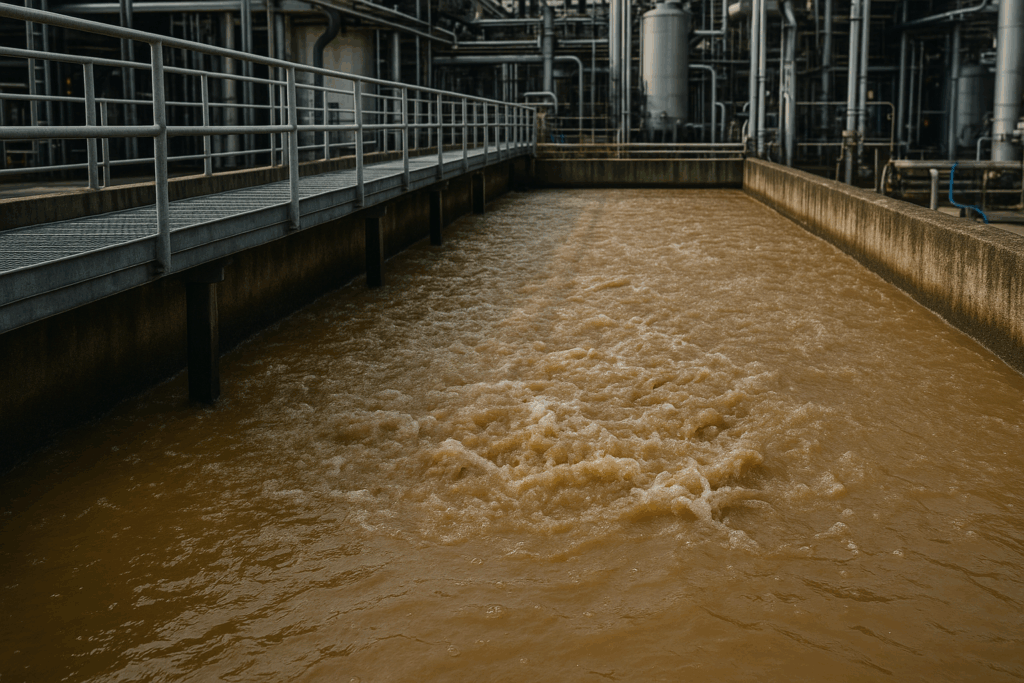
High water turbidity can originate from various sources and have significant consequences for public health and industrial processes. In raw surface waters, such as rivers, lakes or water reservoirs, it often results from agricultural soil runoff, riverbank erosion, intense precipitation, or agricultural and urban discharges, bringing suspended particles and colloidal matter. These phenomena result in transport of sediments, sludge, organic matter, plant debris and chemical pollutants into water. In groundwater, although generally less turbid, turbidity may indicate problems with the well boring itself, surface water infiltration, presence of clay minerals, or fine sand particle entrainment. Excessive turbidity consequences are multiple.
Aesthetically, turbid water is unattractive for consumption and use. More importantly, suspended particles can harbor and protect pathogenic microorganisms such as bacteria (Escherichia coli, Legionella), viruses and parasites (ex: Giardia, Cryptosporidium), making them more resistant to disinfection processes such as water chlorination or UV disinfection. This increases risk of waterborne disease. Furthermore, high turbidity can cause major technical problems and dysfunctions in water treatment systems, such as rapid filter clogging, premature fouling of reverse osmosis and ultrafiltration membranes, decreased effectiveness of chemical disinfectants (chlorine is consumed by organic matter, and UV is blocked by particles), and accelerated wear of pumping and water distribution equipment. For industry, this translates to increased operating costs, reduced finished product quality, and expensive production shutdowns. Managing turbidity is therefore a major issue for water treatment installation performance and water safety.
Turbidity in Residential Drinking Water Treatment: Home Solutions
In residential drinking water treatment, turbidity is an essential indicator of tap water safety. Turbid water at home can signal a problem with municipal water distribution network, point contamination, or defects in existing domestic filtration system. French and European drinking water regulations require very low turbidity levels (generally < 1 NTU, ideally < 0.1 NTU after filtration) to protect consumers and ensure access to quality drinking water. Persistent turbidity can compromise effectiveness of domestic UV sterilizers (preventing UV light from reaching and inactivating microorganisms) and activated carbon filtration systems (which can saturate faster), allowing microbial and fine particle contaminants to pass through.
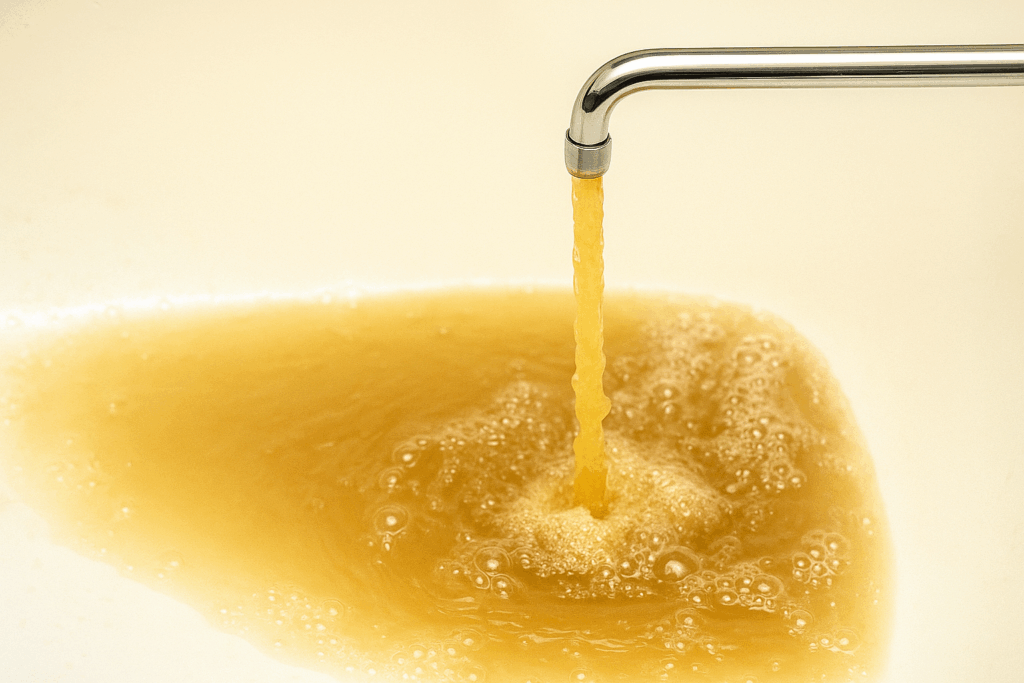
Dimm solutions for homes include installation of sediment filters or water pre-filters upstream from the home's main water entry point, whole-home complete filtration systems, or use of under-sink water purifiers integrating sub-micron filtration technologies such as microfilters, domestic ultrafiltration or residential reverse osmosis systems. These domestic water filtration solutions are designed to effectively reduce turbidity, eliminate suspended particles, murky matter, improve water clarity, water taste, water odor and thereby ensure pure drinking water, family health and well-being. Dimm also offers well and spring water treatment solutions facing turbidity problems.
Managing Turbidity in Professional and Industrial Applications: Custom Dimm Solutions
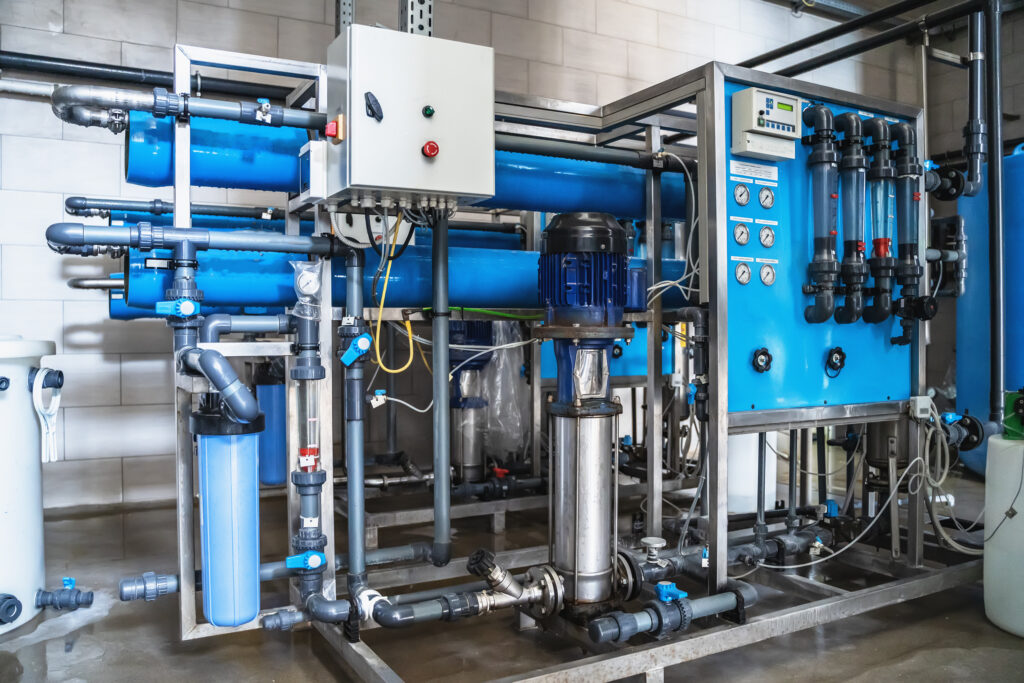
For professional and industrial sectors, turbidity management is even more critical due to large water volumes treated, specific water quality requirements for each process and economic impact. In the food and beverage industry, turbid process water can affect finished product quality, stability, shelf life, and cause health non-compliance and product recalls. Thermal power plants, industrial cooling systems and industrial boilers require very low turbidity water to prevent heat exchanger fouling, sludge and deposit accumulation, corrosion, and fouling of demineralization membranes (reverse osmosis), which reduce thermal efficiency and increase maintenance costs.
Pharmaceutical laboratories, semiconductor industry and microelectronics require ultra-pure water (UPW), where even particle traces can compromise finished product purity and cause manufacturing defects. Rinsing water must be perfectly clear. Dimm develops custom industrial water treatment systems and public water treatment solutions to meet these very strict turbidity requirements, integrating cutting-edge water clarification technologies to guarantee operational performance, regulatory compliance and reduced operating costs. We also offer industrial wastewater solutions.
Advanced Technologies for Reducing Turbidity: The Dimm Approach
Turbidity reduction is a fundamental pillar of any effective water treatment scheme. Several water treatment technologies are used, often in combination in a multi-layer treatment, to achieve required turbidity levels and produce high-quality purified water.
1. Coagulation, Flocculation and Sedimentation: Foundations of Clarification
The coagulation-flocculation process is the first line of defense against turbidity for raw waters heavily loaded with particles and suspended matter. Coagulation involves adding coagulant chemicals (such as aluminum sulfate, ferric chloride, aluminum polychloride (PAC) or cationic polymers) that destabilize the electrical charges of colloidal particles in suspension, enabling them to agglomerate. Next, flocculation allows these small agglomerated particles to gather into larger, heavier flocs through slow stirring in a flocculator.
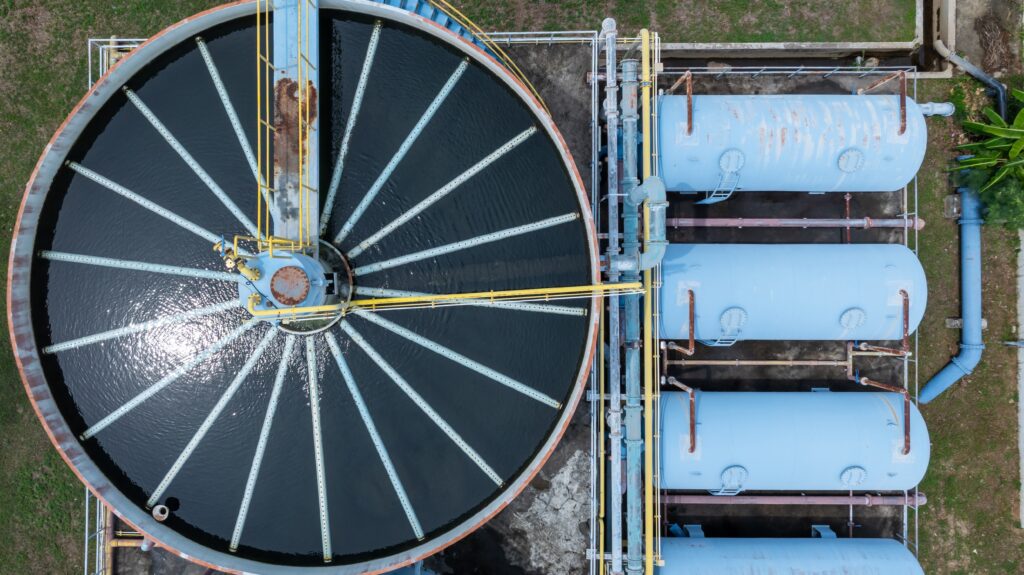
These voluminous, settleable flocs are then easier to remove through subsequent water treatment steps. Optimizing coagulant dosage is essential to maximize turbidity removal efficiency while minimizing chemical use for economic and ecological water treatment. After coagulation and flocculation, flocculated waters pass through sedimentation or settling basins. In these lamellar settlers or sedimentation basins, heavy flocs naturally settle to the bottom under gravity effect. This stage allows removing most of decantable suspended matter and sedimentation sludge before filtration processes, significantly reducing pollutant load on filters. Settler design and water speed control are crucial for effective sedimentation and maximizing turbidity load reduction sent to filters. Physicochemical water treatment is the foundation.
2. Water Filtration: Multiple Techniques for Crystal-Clear Water
Water filtration is the next and most common stage for residual turbidity removal and obtaining crystal-clear water.
Sand filtration:
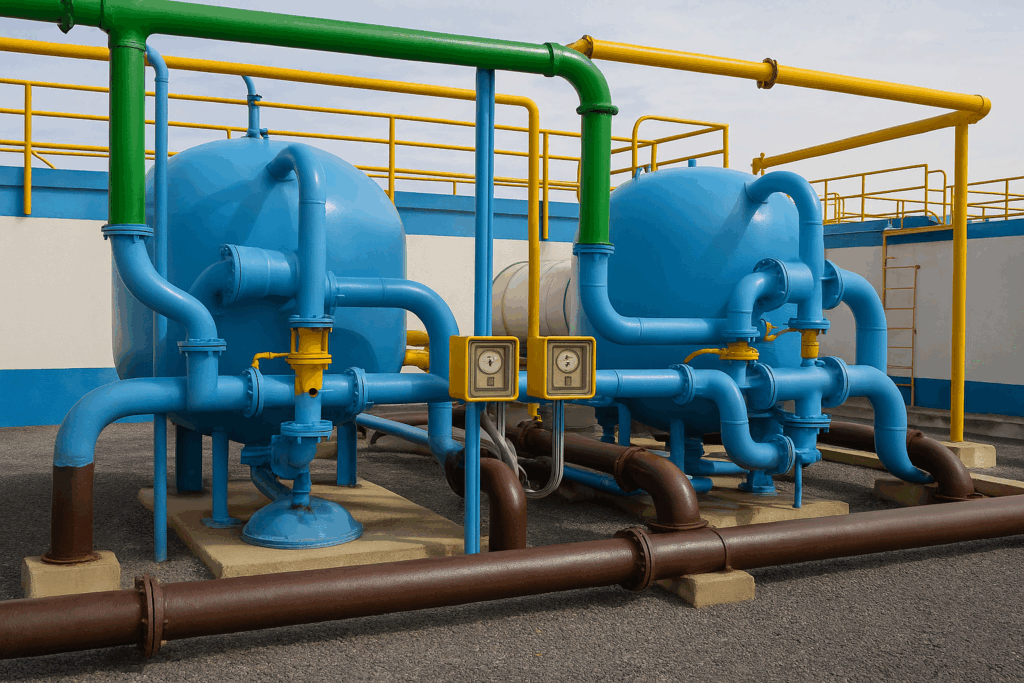
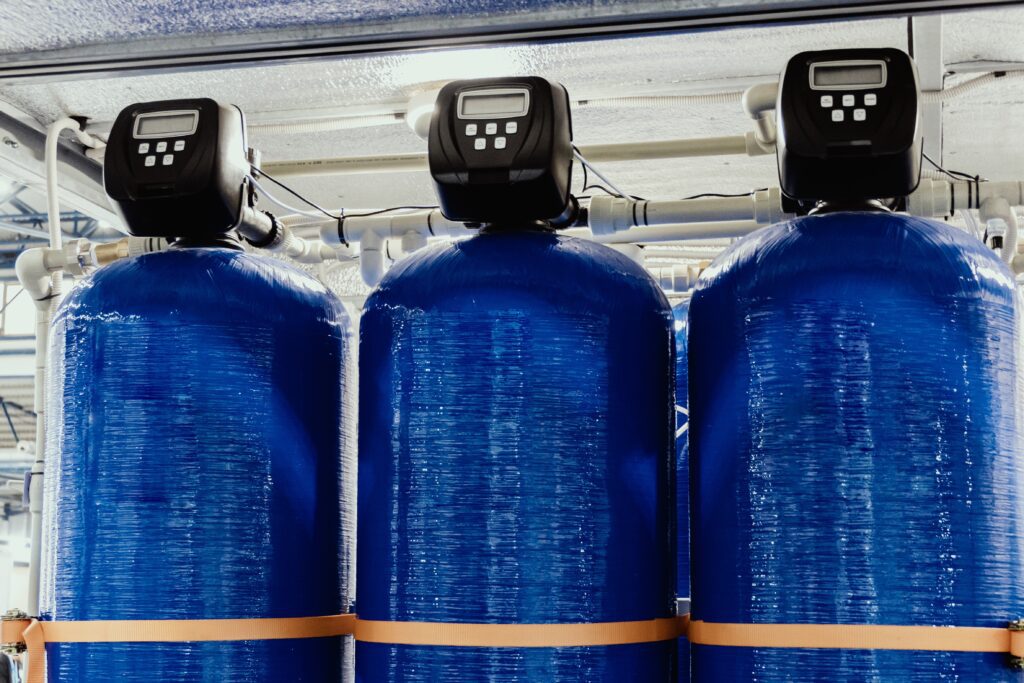
Rapid sand filters or slow sand filters are proven techniques where water passes through a sand bed (often silica filter sand), retaining suspended particles and murky matter. This method is widely used in water production plants and industrial pre-treatments.
> Discover our filtration media
Multi-layer filtration:
Often, multi-layer filter beds (sand, anthracite, garnet, gravel) are used to optimize particle retention of different sizes and improve filtered effluent quality. This multi-stage filtration maximizes efficiency and filter lifespan.
> Discover our multi-layer filtration catalog
Cartridge filtration:
For applications requiring high-purity water, fine water treatment or pre-filtration before sensitive equipment, cartridge filters offer very fine particle retention capacity, often down to several microns (eg: 5 micron filter, 1 micron filter, sub-micron filter). They are ideal for protecting sensitive equipment such as reverse osmosis membranes or UV systems.

Bag filters:
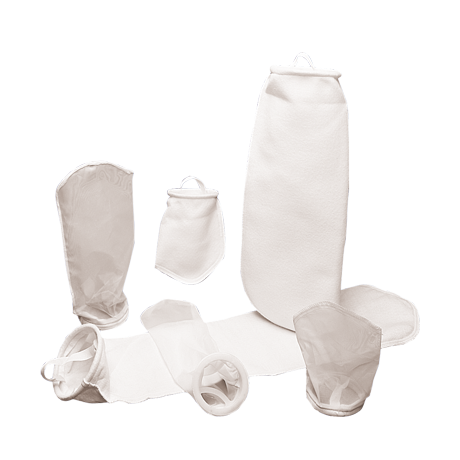
Similar to cartridge filters but with higher flow rates and greater retention capacity, bag filters are used for industrial filtration applications of large volumes of process waters or cooling waters.
Automatic backwashing filters:
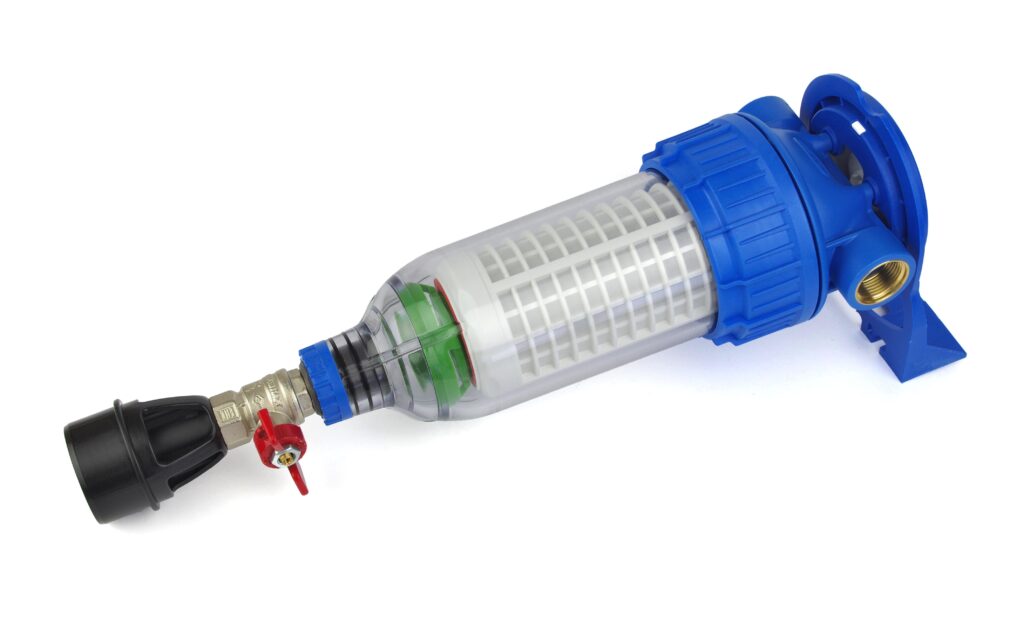
These systems allow automatic cleaning of filter media by reversing water flow, ensuring reduced maintenance and constant filtration efficiency.
> Discover our self-cleaning filters
3. Membrane Technologies: Microfiltration and Ultrafiltration for Optimal Purity
Membrane water treatment technologies represent the state of the art in turbidity elimination and microorganism removal, producing exceptionally pure water.
Microfiltration (MF):
This technology uses membranes with pore size between 0.1 and 10 micrometers to eliminate suspended matter, bacteria, and some protozoa (Giardia, Cryptosporidium). It is very effective at achieving very low turbidity levels and is often used as pre-treatment for ultrafiltration or reverse osmosis.
> Discover our microfiltration solutions through reverse osmosis
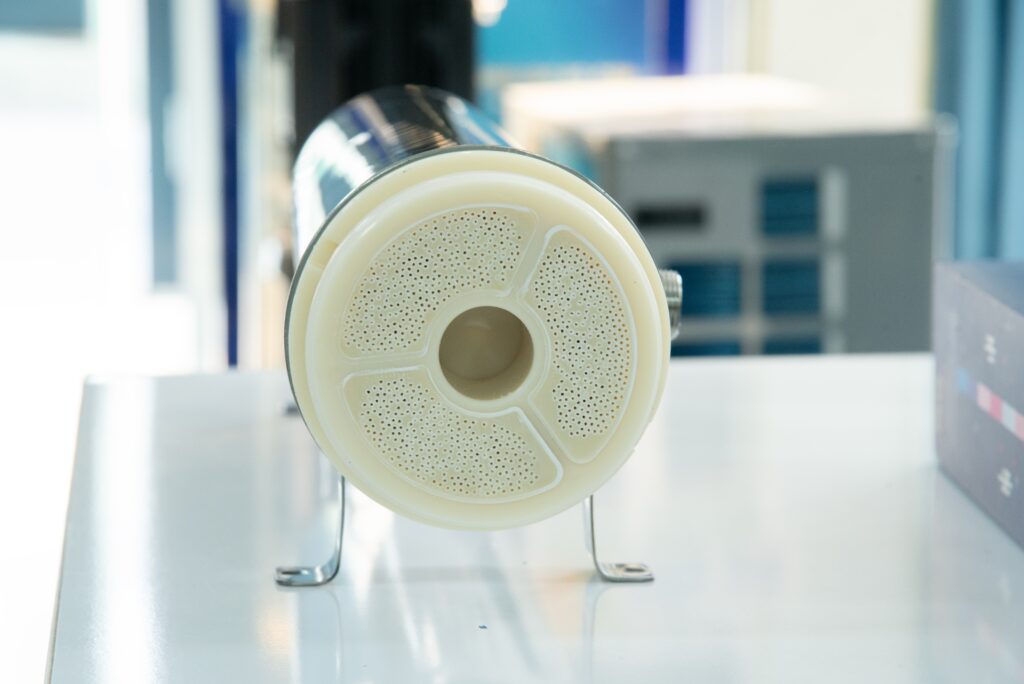
Ultrafiltration (UF):
With even smaller pores (0.01 to 0.1 micrometer), ultrafiltration is able to eliminate virtually all suspended matter, bacteria, viruses and macromolecules, producing exceptionally clear water and sterile water. UF is increasingly used as essential pre-treatment for reverse osmosis (protecting RO membranes from fouling) or as final treatment for high-quality drinking water, surface water treatment, water recycling or wastewater treatment before discharge or reuse. Dimm installs robust and high-performing ultrafiltration systems for many industrial, municipal and collective applications.
> Discover our purification systems
4. Post-Treatment Disinfection and Clarification
While water disinfection (through chlorination, ozonation, or UV sterilization) does not directly reduce turbidity, low turbidity is crucial for its maximum effectiveness. UV disinfection systems, for example, are much more effective on clear water, since particles cannot "hide" microorganisms from UV light. Continuous turbidity monitoring at each water treatment process stage is essential to guarantee final water compliance with quality standards and successful disinfection. Water without turbidity guarantees elimination of pathogens.
Dimm's Expertise in Complete Water Turbidity Management
At Dimm, the water treatment specialist in France, we understand that turbidity management is a critical aspect of any water treatment project and a determining factor in your purification installation's performance. Our expertise covers the entire cycle, from initial raw water quality analysis to custom design, professional installation, preventive maintenance and performance monitoring of water treatment systems.
Our Specific Services for Turbidity Include:
- Water Audit and Diagnosis: We begin with thorough analysis of your water and its composition, including precise turbidity measurement (NTU), particle size distribution, and presence of other pollutants. This allows us to determine turbidity origin and recommend the most suitable and economical treatment solutions.
- Custom System Design: Whether you are a local government (municipality, water syndicate), industrial company (food, pharmaceutical, chemical, textile) or individual seeking a well or borehole water solution, we design optimized water treatment solutions that integrate the most effective turbidity reduction technologies (coagulation-flocculation-sedimentation, multi-layer filtration, granular media filtration, microfiltration, ultrafiltration, advanced clarification) to meet your specific final water quality needs. We offer turnkey solutions.
- Operator Training: We train your teams in basic use and maintenance of water treatment equipment, enabling them to understand turbidity importance, system operating principles and react effectively to variations. Knowledge transfer is essential.
Why Choose Dimm: Your Expert Water Treatment Partner for Turbidity
Choosing an experienced and recognized partner like Dimm is crucial for effective turbidity management and, more broadly, for your water quality and safety. Poor turbidity management can lead to major health risks, expensive operational problems (clogging, over-consumption, production shutdowns) and heavy regulatory non-compliance consequences. Our deep knowledge of water regulations in France, our mastery of the latest water treatment technologies against turbidity and our commitment to customer satisfaction make us the ideal choice for all your water treatment projects in France. We are dedicated to providing sustainable, efficient and energy-saving solutions that guarantee healthy, clear and pure water for all applications, whether domestic, professional or industrial. We help you achieve particle-free water, transparent water.
Turbidity, A Major Issue for Quality Water Dimm, Your Solution
In conclusion, water turbidity is much more than a simple visual indicator of murky water; it is an essential water quality parameter influencing public health, industrial performance, equipment reliability and water treatment system effectiveness. Its rigorous monitoring and management are imperative to guarantee safe and high-quality water.
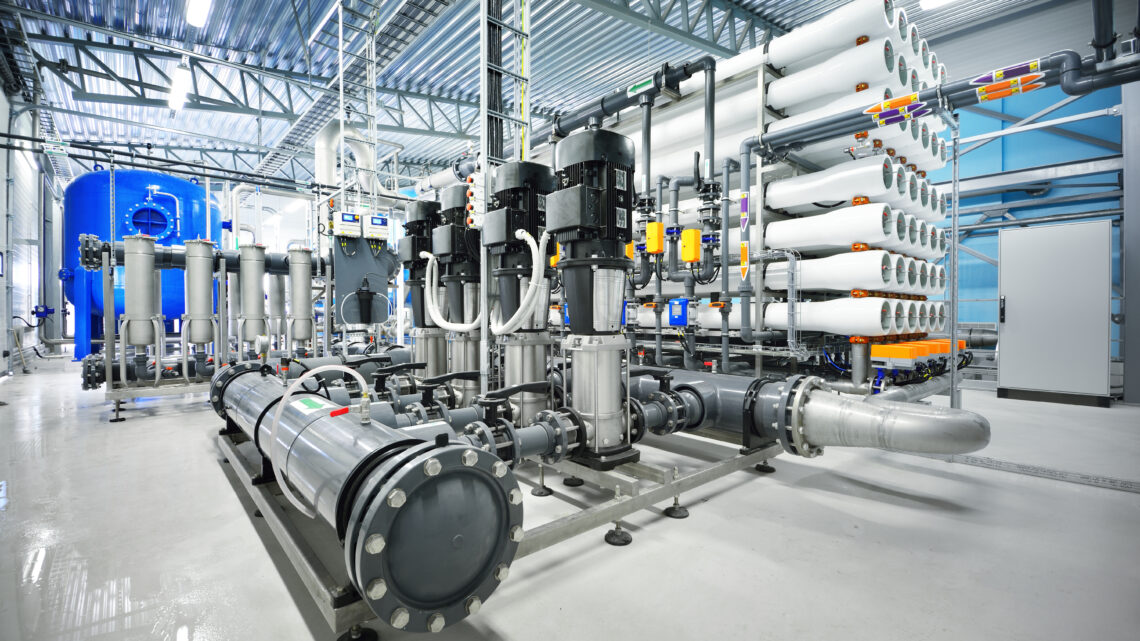
Dimm, the water treatment specialist in France, puts its unique expertise, recognized know-how and innovative solutions at your disposal to meet this challenge. Whether you seek to improve your tap water clarity, optimize your demanding industrial processes in water quality, protect your sensitive equipment or guarantee your water regulatory compliance, we are your trusted partner.
Contact Dimm today for a water analysis and discover how we can help you achieve water of irreproachable clarity, purity and safety through our filtration and turbidity treatment solutions.
Contact usRequest a water treatment quote for non-turbid water.
> Learn more: Everything about water regulations
Published inBlog