

Master Residential Water Treatment and Reduce Plastic for Optimal Comfort
Tap water quality is a central issue for every household. As water treatment professionals, you know that individuals are increasingly concerned about the water they consume and use daily.
This article offers a comprehensive exploration of water treatment solutions for individual homes and apartments, detailing innovative technologies, their concrete benefits for health, comfort and savings, without forgetting their positive environmental impact through reducing plastic bottles. It is a comprehensive and informative guide to understanding domestic water issues and offering the best answers to your customers.
Why has water treatment become essential in residential settings?
The quality of water distributed to French homes is generally good and subject to strict health standards. However, significant local variations exist, and tap water may have characteristics that impair living comfort and installation durability. Understanding these factors is the first step toward offering personalized and effective water treatment solutions.
Why has water treatment become essential in residential settings?
Several factors can affect household water, creating daily discomfort and long-term costs:
Hard water and limescale (scale)
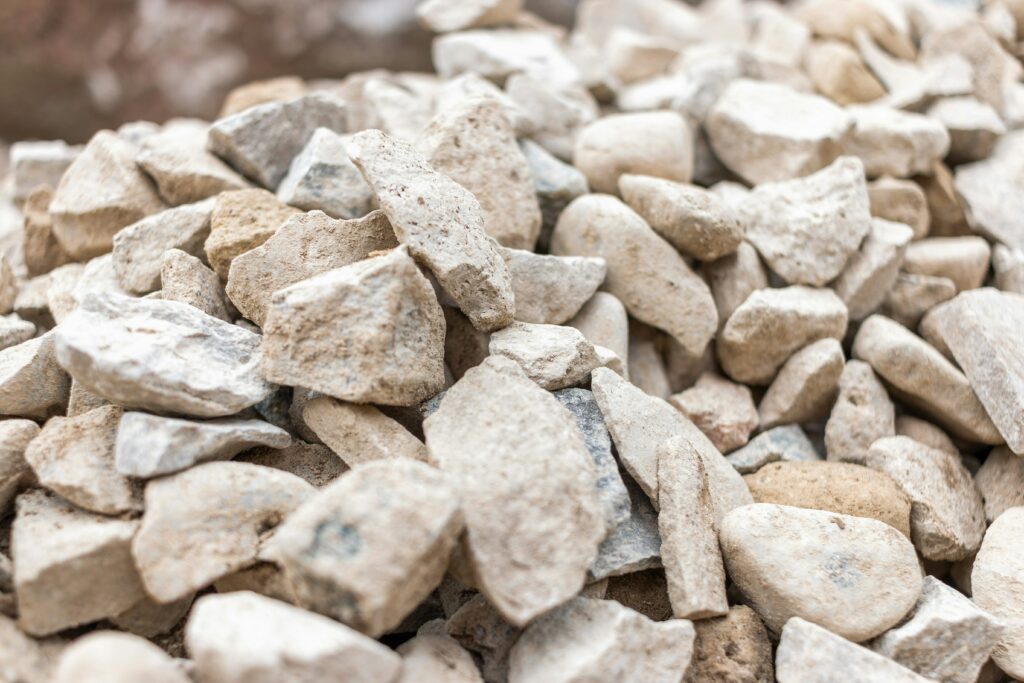
This is by far the most frequent problem in France. Water is "hard" when it contains a high concentration of calcium and magnesium salts. These minerals, harmless to health, transform into scale under heat or when drying. Limescale deposits on shower walls, fixtures, bathroom tiles, and especially inside heating appliances such as water heaters, kettles, coffee makers, washing machines and dishwashers. These scale deposits reduce their energy efficiency, increase electricity or gas consumption, and drastically decrease their lifespan, leading to costly failures. For skin and hair, hard water can cause dryness, irritation, itching, and make hair dull and brittle.
Chlorine and its derivatives
Chlorine is essential for disinfecting water in public networks, guaranteeing elimination of bacteria and viruses. However, once at home, chlorine can give water an unpleasant taste and odor, reminiscent of swimming pool water. For sensitive individuals, it can also cause skin irritation and respiratory irritation during showers or baths. The presence of chlorinated by-products (such as trihalomethanes – THM) is also a health concern for long-term effects.

Sediments and suspended particles
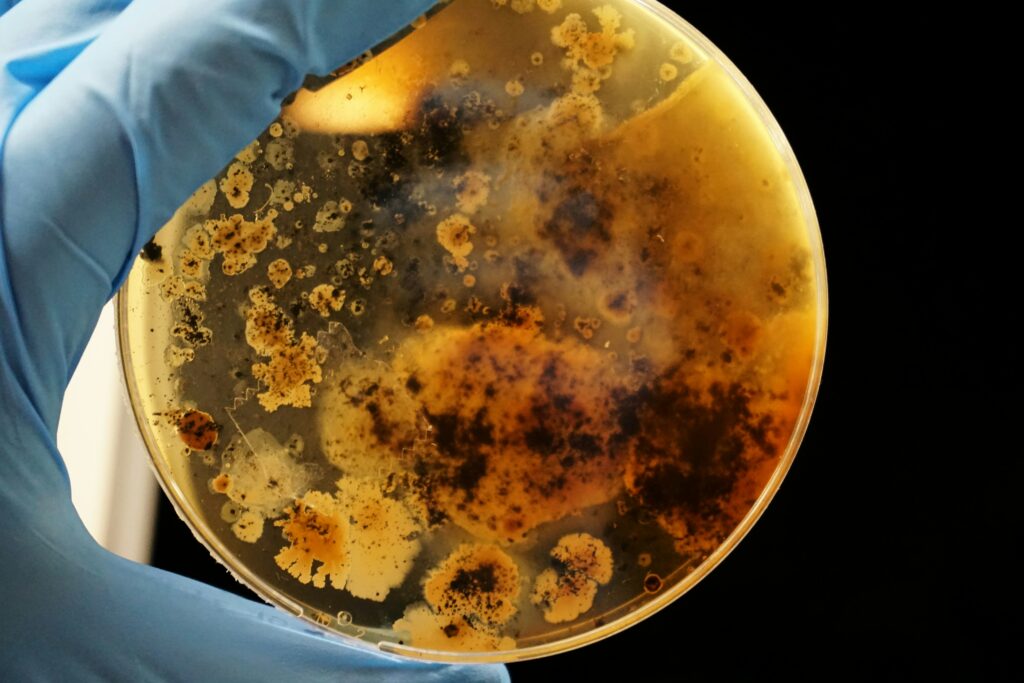
Network water may contain solid particles such as sand, earth, rust from aging pipes, or other physical impurities. These sediments can clog faucets, showerheads, appliance filters, and even damage joints and water valve mechanisms. They can also give water a turbid appearance.
Emerging pollutants
New health concerns have emerged regarding the presence of pesticide traces, nitrates, pharmaceutical residues (hormones, antibiotics), heavy metals (lead, copper) from old installations or the environment, as well as microplastics. Although often at infinitesimal concentrations and respecting standards, their presence raises questions about their cumulative long-term effects on human health and the environment.


Taste and odor problems
Beyond chlorine, water can sometimes have metallic, earthy or other unpleasant tastes due to the presence of certain minerals, harmless microflora or organic compounds.
Multiple benefits of residential water treatment
Offering water treatment solutions to individuals is not only a response to these problems, it is a value proposition that significantly improves their daily lives:
Improved quality of life and comfort
Softened or filtered water provides a more pleasant bathing and shower experience, softer skin and shinier hair. Laundry is softer and kitchen and bathroom surfaces stay clean longer, reducing cleaning needs and aggressive detergents.
Equipment protection and energy savings
By eliminating limescale, water treatment systems durably protect household appliances and plumbing installations, preventing failures, extending lifespan and reducing repair or replacement costs. Optimization of water heater and boiler energy efficiency generates substantial savings on energy bills.

Health and well-being
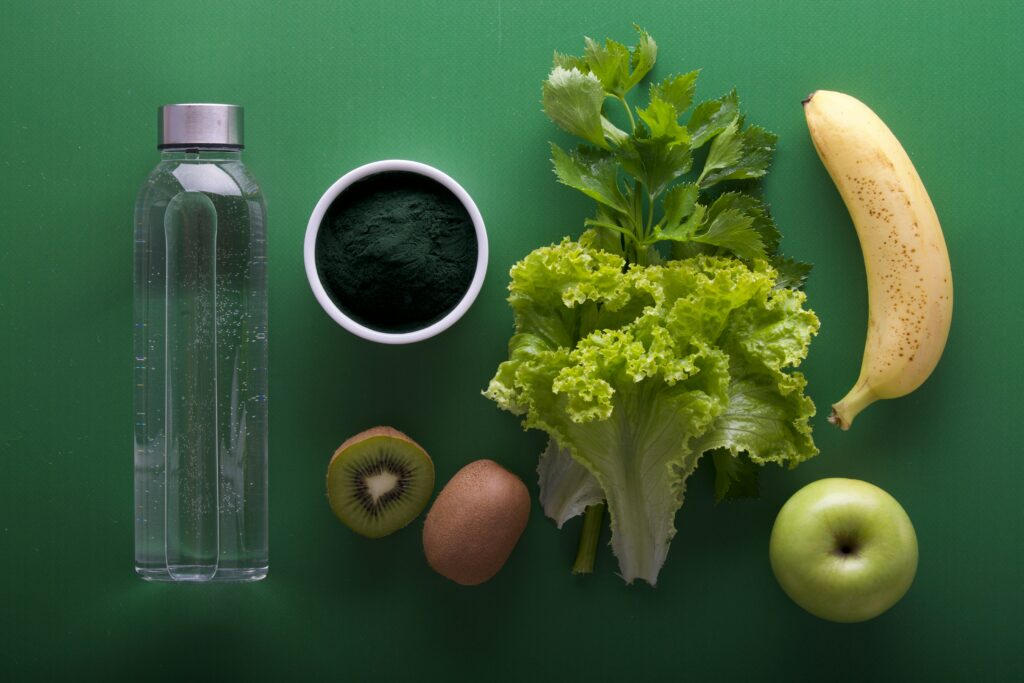
Purified water, free of chlorine, sediments and emerging pollutants, is healthier to drink and use for cooking, baby bottle preparation. Quality water promotes better hydration and reduces risks of skin irritation.
Positive environmental impact and financial savings
Access to high-quality tap water encourages consumers to abandon plastic bottled water purchases. This results in drastic reduction of single-use plastic waste, decreased carbon footprint from bottle production and transport, and significant budget savings for families. It is an increasingly powerful and sought-after environmental argument.

Key technologies for residential water treatment: a technical guide for professionals
To best advise your customers, in-depth knowledge of different water treatment technologies is essential. Each system has a specific role and can be combined for a customized water treatment solution.
The Water Softener: The barrier against limescale and hard water
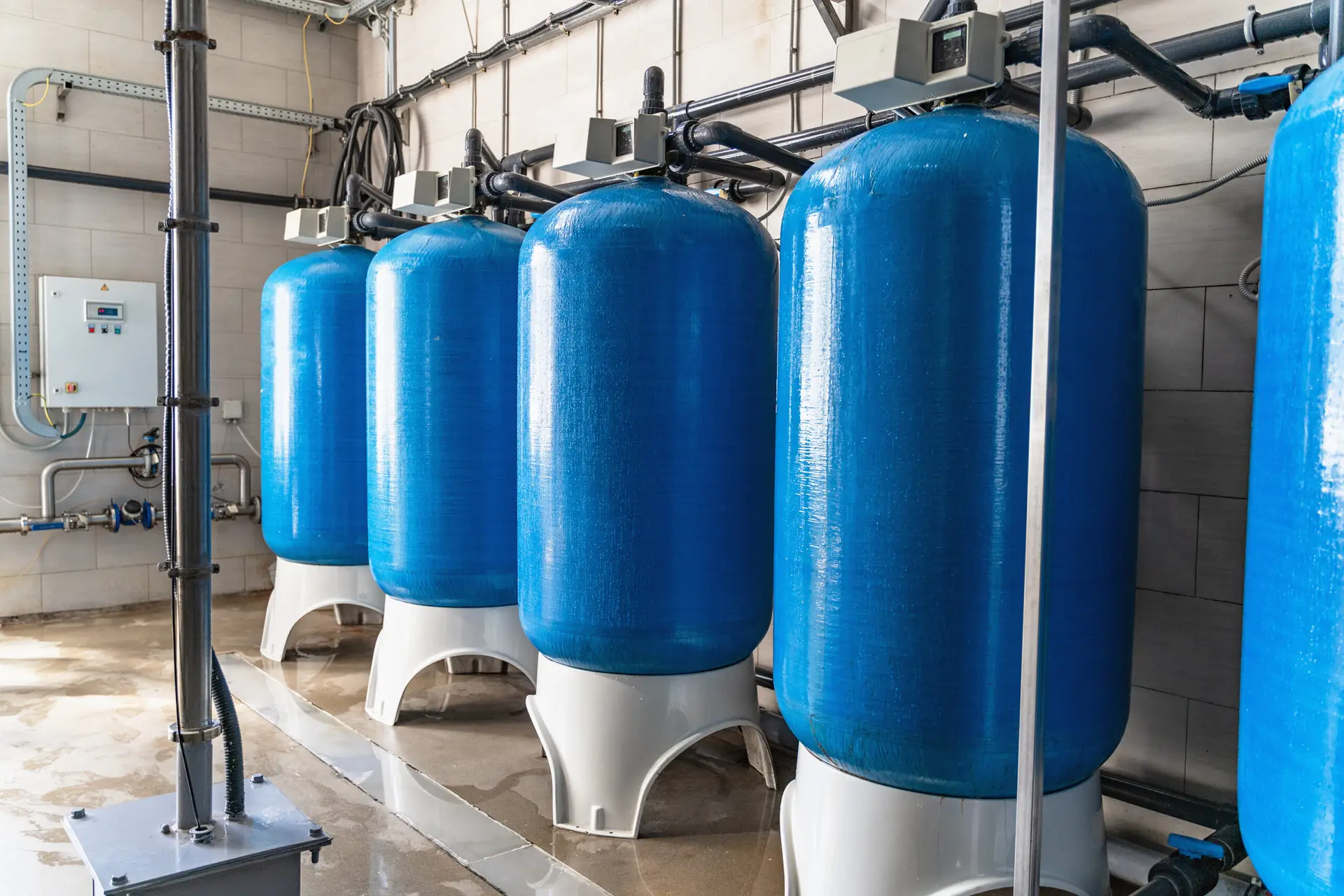
The water softener is the solution of choice for treating hard water. It is a device that modifies the mineral composition of water through an ion exchange process.
Operating Principle:
Hard (limescale) raw water passes through a bottle filled with ion exchange resin. This resin is charged with sodium ions (Na+). As water passes, calcium (Ca2+) and magnesium (Mg2+) ions, responsible for hardness, attach to the resin and are exchanged for sodium ions. Softened water, free of calcium and magnesium, is then distributed throughout the domestic network.
Regeneration:
Once the resin is saturated with calcium and magnesium ions, it must be regenerated. This process is accomplished by rinsing it with brine (salt water) stored in the softener's salt tank. Salt (sodium chloride) releases calcium and magnesium ions from the resin and recharges it with sodium ions. The rinse water, loaded with calcium, magnesium and salt, is then discharged to wastewater.
Types of Residential Water Softeners
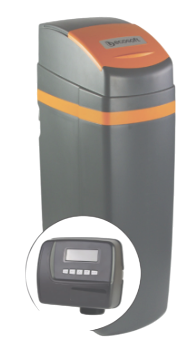
Volumetric Water Softeners (Electronic):
These are the most efficient and economical. They measure actual household water consumption and only trigger regeneration when resin is saturated. This optimizes salt and water consumption and guarantees consistent softened water. This is the most recommended type for residential installations.
Time-Based Water Softeners:
They regenerate at fixed time intervals (for example, every 3 days), regardless of water consumption. Less precise, they can cause salt over-consumption or lack of softened water if consumption varies.
Salt-free water softeners (anti-scale systems):
It is important to distinguish salt-based softeners from salt-free anti-scale systems. These latter do not remove limescale from water, but modify its crystal structure (through physical or chemical processes) so it does not encrust as scale. They are less effective for applications requiring truly soft water (laundry, skin) but may be an alternative for equipment protection only, in specific cases.
Water Softener Sizing
Selecting the right size water softener is crucial. It depends on several factors:
- The water hardness level (its hydromet hardness – °f).
- Average household water consumption (based on number of occupants and habits).
- Ion exchange resin capacity of the water softener.
Precise sizing ensures consistent soft water and minimizes regenerations, optimizing maintenance.
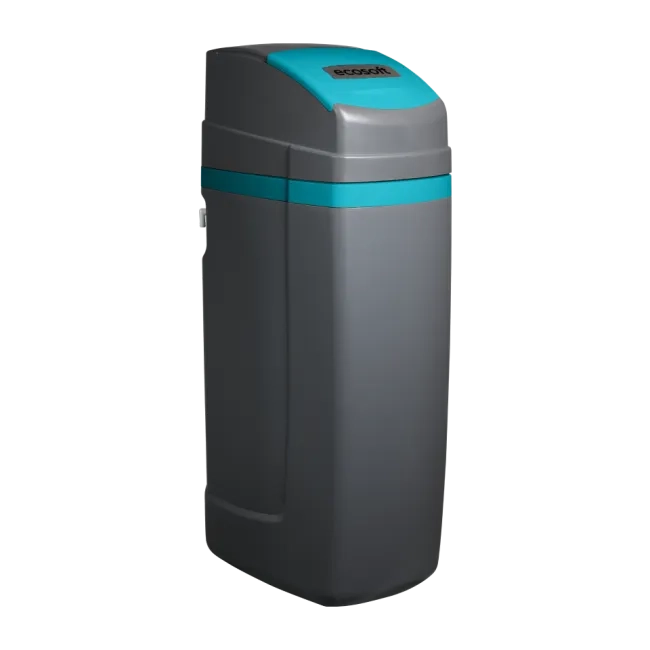

Water Softener Installation and Maintenance
The water softener is generally installed at the main water entry point of the residence, after the water meter, to treat all water circulating through the home. A bypass valve is often installed to isolate the softener for maintenance.
Regular maintenance is essential
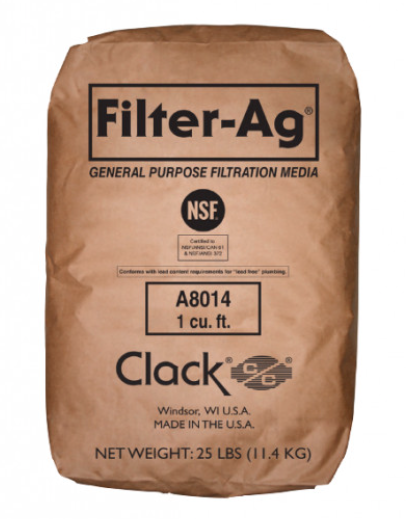
- Regenerating salt replenishment: Salt level must be checked and maintained.
- Salt tank cleaning: To prevent salt bridges and deposits.
- Periodic resin disinfection: Essential to prevent bacterial growth in the softener, guaranteeing safe water.
- Settings and performance checks: Regular verification of treated water hardness.
Water Filtration: Different protection layers and environmental advantage
Water filtration is an essential process to remove physical and chemical impurities before use. It can be implemented at various levels in a home.
Types of Filters and Their Functions
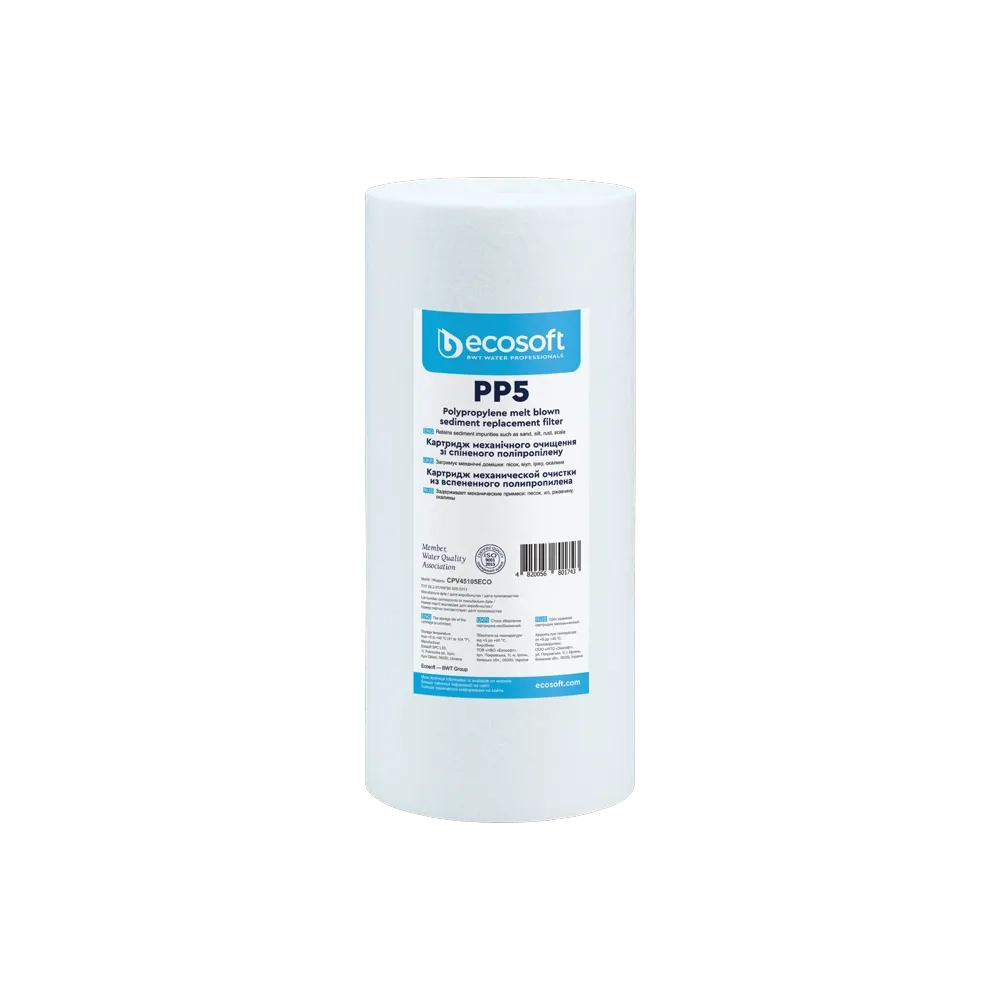
Sediment Filters (or mechanical):
Role: Retain suspended particles of various sizes: sand, mud, rust, silt, fine particles. They are classified by filtration fineness in microns (eg: 50 microns for large particles, 5 microns for finest).
Materials: Polypropylene bobbin, washable pleated, extruded cartridge.
Location: Often installed in pre-filtration at the entry point to protect all downstream equipment (softener, reverse osmosis unit, water heater, fixtures) from fouling.
Activated Carbon Filters:
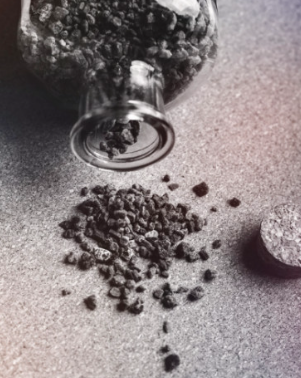
Role: Activated carbon, thanks to its porous structure, has strong adsorption capacity. It is very effective at removing chlorine, bad tastes and odors, as well as volatile organic compounds (VOCs), certain pesticides and herbicides.
Forms: Granular activated carbon (GAC) or activated carbon block. Blocks generally have better adsorption capacity and finer filtration.
Location: Ideal for improving drinking water quality at point of use (under-sink filter) or in central filtration after a sediment filter.
Ultrafiltration Filters (UF):
Role: Use membranes with very fine pores (typically 0.01 to 0.1 micron). They can retain bacteria, viruses (partially), cysts (cryptosporidium, giardia), colloids and certain macromolecules.
Benefits: Provide microbiological protection without using chemicals.
Location: Often integrated into multi-point filtration systems or under-sink.
Types of Filtration Systems
Point of Entry Filtration (POE – Whole House Filtration):
Installation: Directly at the main water entry to the home, after meter and pressure reducer.
Benefits: All home water is filtered, including showers, baths, washing machines. It's global installation protection and comfort improvement for all uses.
Components: Often a series of sequential filters (sediment, then activated carbon).
Point of Use Filtration (POU – Point of Use Filtration):
Installation: Just before the draw-off point where water will be consumed, most often under the kitchen sink, with a specific tap for filtered water.
Benefits: Specifically treats drinking and cooking water, providing high-quality water for this use without requiring treatment of the entire home's water volume.
Components: Activated carbon filters, ultrafiltration, or combinations.
Installation and environmental considerations
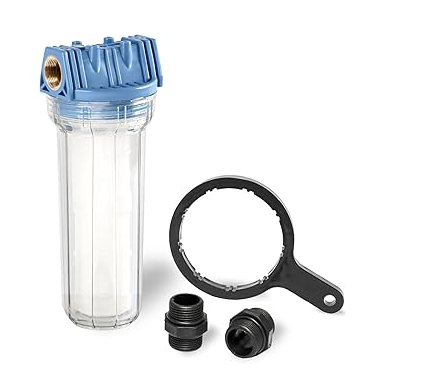
Upstream filtration (POE) is often recommended to protect downstream equipment (softener, reverse osmosis) and guarantee consistent water quality throughout the home.
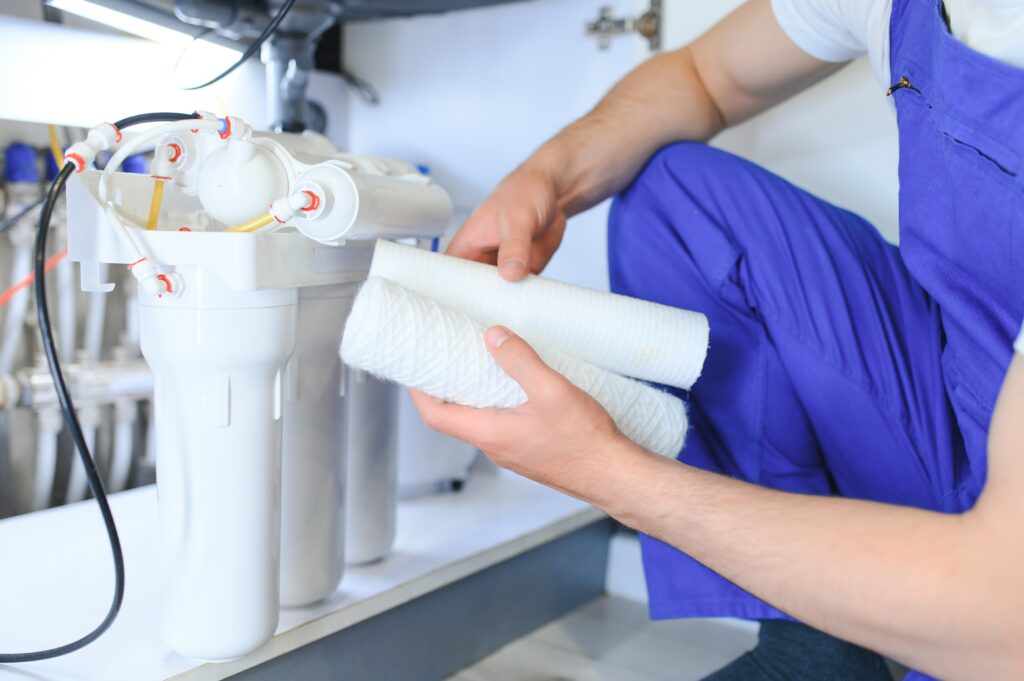
Regular replacement of filter cartridges is crucial to maintain system efficiency and prevent fouling or contaminant release.
Installing point of use filtration systems offers a sustainable and economical alternative to plastic bottled water. By choosing filtered tap water, households drastically reduce single-use plastic consumption, actively contributing to waste reduction and environmental preservation. It is an increasingly relevant sales argument against consumer environmental concerns.
Reverse Osmosis: The ultimate water purification technology for taste, health and the planet
Reverse osmosis is the most advanced water purification technology available for domestic uses. It is particularly appreciated for obtaining exceptionally pure drinking and cooking water.
Operating Principle:
Reverse osmosis is the reverse of natural osmosis. Water is pressurized through a semi-permeable membrane whose pores are microscopic (approximately 0.0001 micron). These pores are so fine they only allow water molecules (H2O) to pass, retaining virtually all dissolved and suspended impurities.
Contaminant Elimination
A reverse osmosis unit can eliminate a very wide spectrum of substances:
- Dissolved salts and minerals (including residual calcium and magnesium).
- Heavy metals (lead, mercury, arsenic, copper, cadmium).
- Nitrates and nitrites.
- Pesticides and herbicides.
- Pharmaceutical and hormone residues.
- Microplastics.
- Bacteria and viruses.
- Chlorine and its by-products.
- Undesirable tastes and odors.
Components of a Residential Reverse Osmosis Unit:
A typical reverse osmosis unit consists of several filtration stages before and after the osmotic membrane:
- Sediment pre-filter: Retains large particles to protect the membrane.
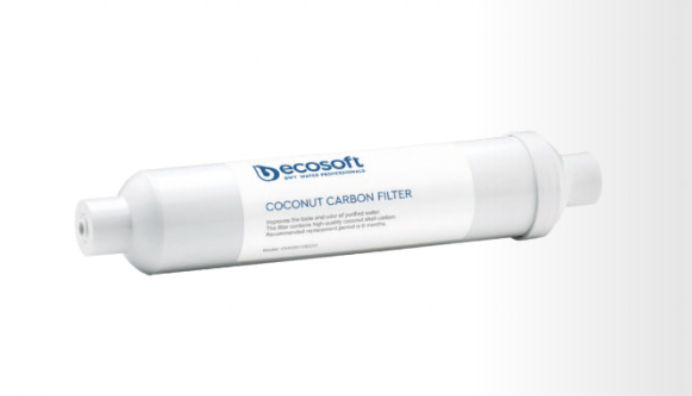
- Activated carbon pre-filter: Removes chlorine that could damage the osmotic membrane.
- Reverse osmosis membrane: The system's heart, performs main purification.
- Post-filter activated carbon (finishing): Improves water taste before distribution.
- Storage tank: Stores purified water, as osmosis process is slow.
- Dedicated faucet: Allows drawing osmosed water separately from standard tap water.
Water Production and Rejection:
A reverse osmosis unit produces purified water (permeate) and water concentrated in impurities (rejection or concentrate) discharged to the sewer. Rejection ratio varies by model and water pressure. Modern reverse osmosis units are increasingly efficient, significantly reducing rejection water volume.
Reverse Osmosis Unit Maintenance:
- Pre-filter and post-filter replacement: Generally every 6 to 12 months.
- Osmotic membrane replacement: Less frequent, typically every 2 to 5 years, depending on raw water quality and consumption.
UV Disinfection: Microbiological safety without chemistry or excessive impact
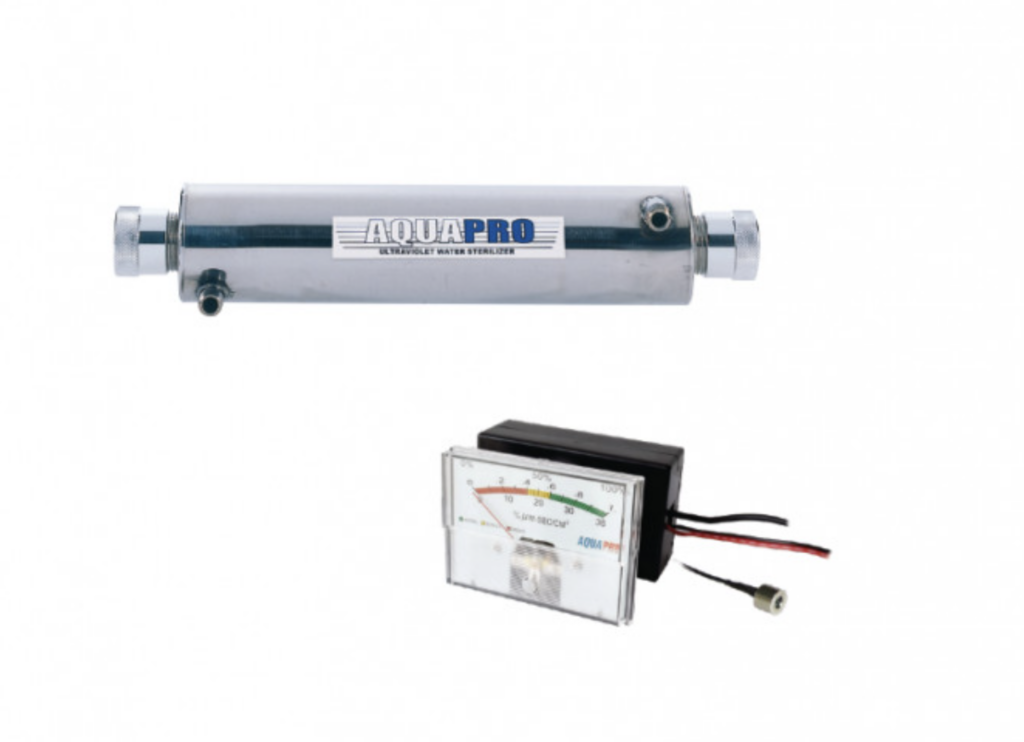
Ultraviolet (UV) disinfection is a water sterilization method using UV-C rays to eliminate pathogenic microorganisms without altering water chemical composition.
Operating Principle:
Water to be treated passes through a chamber where it is exposed to light emitted by a UV lamp. UV-C rays can penetrate the DNA of bacteria, viruses, protozoa (such as Giardia and Cryptosporidium), and other microorganisms, making them unable to reproduce and thus harmless.
Applications and environmental benefits
Particularly relevant for untreated water sources or whose microbiological quality is not guaranteed (for example, private wells, boreholes, rainwater collectors used for sensitive uses).
Can be used as a complement to filtration systems to ensure enhanced drinking water safety.
Does not alter water taste, odor or chemical composition, and most importantly, requires no addition of chemical disinfectants to the water, which is a major environmental advantage.
Requirements and Maintenance
- Water upstream of UV sterilizer must be clear and free of particles, turbidity and iron for UV rays to penetrate effectively. Pre-filtration is therefore often necessary.
- Annual UV lamp replacement is crucial, as intensity decreases over time.
- Regular cleaning of the quartz sheath (protective tube around the lamp) is equally important to prevent deposit accumulation that would block UV.
Concrete Benefits for the Individual: A Complete Argument
Understanding water treatment technologies is one thing, knowing their tangible benefits in daily life is another. Here is how these systems contribute to household daily life.
Improved Daily Comfort
Healthier skin and hair
No more skin tight feeling after shower. Softened water reduces irritation, dry eczema, and redness. Hair regains softness, shine and volume, without scale residue. Moisturizer consumption decreases.
Softer laundry and preserved colors
Soft water prevents scale from hardening textiles. Laundry is softer, more pleasant to touch, and colors remain vibrant longer. Less need for fabric softeners.
Facilitated cleaning and shiny surfaces
Fewer white marks on fixtures, shower walls, sinks, glasses and dishes. Cleaning time is reduced and expensive anti-scale products are less necessary.
Sublime water taste and odor
Filtered or osmosed water is free of chlorine and impurities that alter its taste. It becomes pleasant to drink, encouraging better family hydration.
Substantial Financial Savings
Extended appliance lifespan
Scale protection prevents failures and extends the life of water heaters, boilers, washing machines, dishwashers, coffee makers, kettles. Fewer repair or replacement expenses.
Reduced energy consumption
Scale is a formidable thermal insulator. Even 1 mm of scale can increase water heater energy consumption by 10%! Softened water ensures optimal energy efficiency of all heating appliances, resulting in significant reductions in electricity or gas bills.
Reduced household product expenses
Detergents, soaps and shampoos lather better and are more effective with soft water. Need for laundry, softener, dishwashing liquid, shampoo, body wash and even anti-scale products is reduced by 30 to 50%, generating considerable savings on shopping budgets.
Goodbye plastic water bottles
Filtered or purified home water eliminates the need to buy packaged water, representing a non-negligible annual saving for families.
Environmental Benefits: A Sustainable Commitment
Plastic waste reduction
This is one of the most powerful arguments today. Each installed filtration or reverse osmosis system represents hundreds, even thousands, of single-use plastic bottles that will not be produced, transported, consumed and discarded annually. Less plastic in our oceans, our landfills.
Reduced carbon footprint
Plastic bottled water production and transport generate significant carbon footprint. By drinking treated tap water, households directly contribute to reducing greenhouse gas emissions.
Resource preservation
Less plastic manufactured means less petroleum consumed. Less transport means less fuel. Home water treatment is concrete action for natural resource preservation and circular economy promotion.
Advice for professionals: Proposing the best water treatment solution
As water treatment experts, your role is to analyze each customer's situation and propose the most relevant and personalized solution.
Water Diagnosis: The essential first step
Before any recommendation, home water analysis is fundamental.
Water Hardness Test (TH):
To determine limescale level and urgency of water softener installation.
Basic tests:
Verification of pH, residual chlorine, and presence of iron or manganese if water comes from a well.
In-depth analysis:
In case of doubts or specific customer complaints (metallic taste, unusual odor, recurring health problems), proposing complete water analysis by an approved laboratory can reveal presence of nitrates, pesticides, heavy metals or other pollutants. This justifies installation of more advanced solutions like reverse osmosis or UV sterilizer.
Understanding Customer Needs and Budget
Identify primary motivations:
Does the customer mainly want to protect appliances from scale? Improve drinking water taste? Ensure maximum health safety? Reduce environmental impact?
Evaluate household water consumption:
Allows correct water softener sizing or determination of filter replacement frequency.
Consider home configuration:
Available space for equipment installation (garage, laundry room, under sink), presence of drain nearby for purges.
Define budget:
Offer solutions suited to customer financial capacity, emphasizing return on investment (energy savings, fewer repairs, reduced bottled water purchases).
Choose the Adapted System: Combinations and Synergies
Often, a single technology is insufficient to meet all needs. Water treatment solutions can be combined for maximum effectiveness:
Water Softener + POE Filtration:
For soft water throughout the home and general filtration of sediments and chlorine, thus protecting all installations.
Water Softener + POU Reverse Osmosis:
The water softener protects the home from scale and extends reverse osmosis membrane life. Reverse osmosis then provides ultra-pure drinking water, chlorine-free, without nitrates, heavy metals or pesticides. This is the most complete water quality solution.
Pre-filtration + UV:
Essential for well or borehole water to ensure effective bacterial disinfection after sediment retention.
Under-sink filter (carbon/UF) for drinking water:
A simpler and more economical option for customers who only want to treat drinking water, without committing to complete home water treatment.
Importance of Professional Installation and Maintenance
Compliant installation:
Correct and professional installation is essential for proper system operation and lifespan. Respect for plumbing standards, connections, initial settings.
Preventive Maintenance:
Water treatment systems are equipment requiring regular maintenance. Offering maintenance contracts is a major added value for customers and recurring revenue source for professionals. This includes consumable replacement (salt, cartridges, UV lamps), settings verification, device disinfection and treated water quality control.
Diligent maintenance ensures ongoing installation performance and long-term customer satisfaction.
Dimm, your expert water treatment partner
Dimm offers professionals reliable and high-performing equipment, as well as technical and commercial support to assist them in the residential water treatment market.
Dimm product catalog includes a complete range of water softeners, filtration systems (POE and POU), reverse osmosis units and UV sterilizers, all designed to meet quality and durability standards.
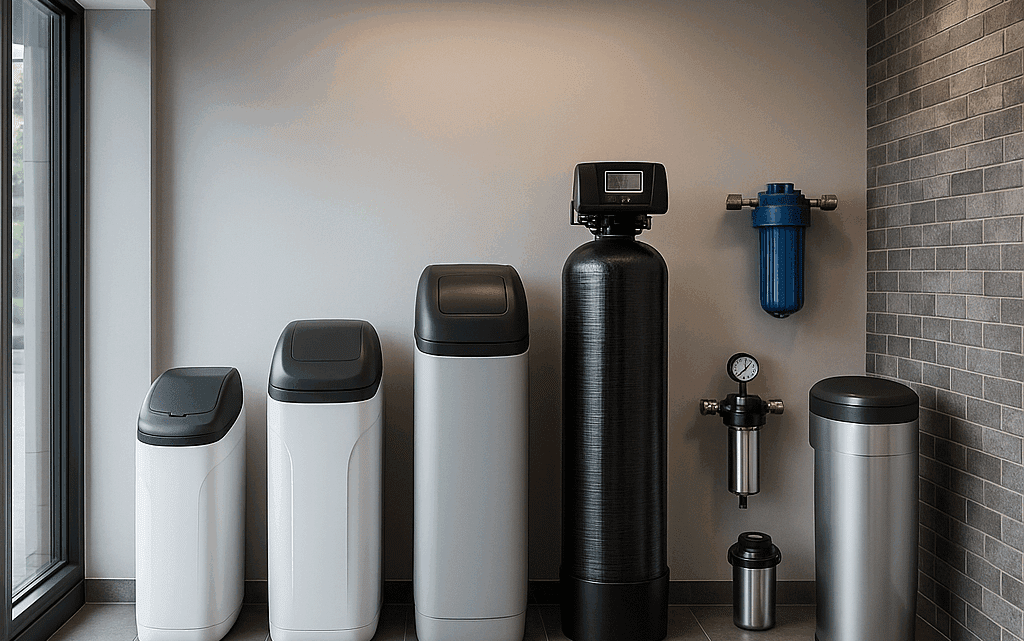
The company provides complete technical documentation, training resources and assistance for installation diagnosis and follow-up.
The residential water treatment market is a dynamic sector, driven by consumer concerns for healthier, more pleasant and more environmentally responsible water. By relying on quality solutions, professionals can offer their customers the benefits of optimized residential water treatment.
If you wish to explore how to integrate reliable and effective water treatment solutions into your offer, benefit from expert technical support and tools to develop your business, our teams are at your service.
Contact usContact Dimm, water treatment specialist in France, today for any question or to discuss partnership opportunities.
Published inBlog