


Extremely small and invisible to the naked eye, microplastics are now detected in drinking water, whether from the tap or from bottles. What do we really know about their presence, their effects on health, and effective ways to eliminate them? This article reviews recent research, risks, and what you can implement now to limit your exposure.
What is a MICROPLASTIC?
- Definition: plastic particles typically ranging in size from 5 mm to several micrometers. There is also mention of nanoplastics for even smaller particles (< 1 µm).
- Origins:
- Primary plastics = designed at this size (cosmetic microbeads, abrasives, etc.).
- Secondary plastics = fragmentation of larger plastic objects (packaging, synthetic textiles, tires...).
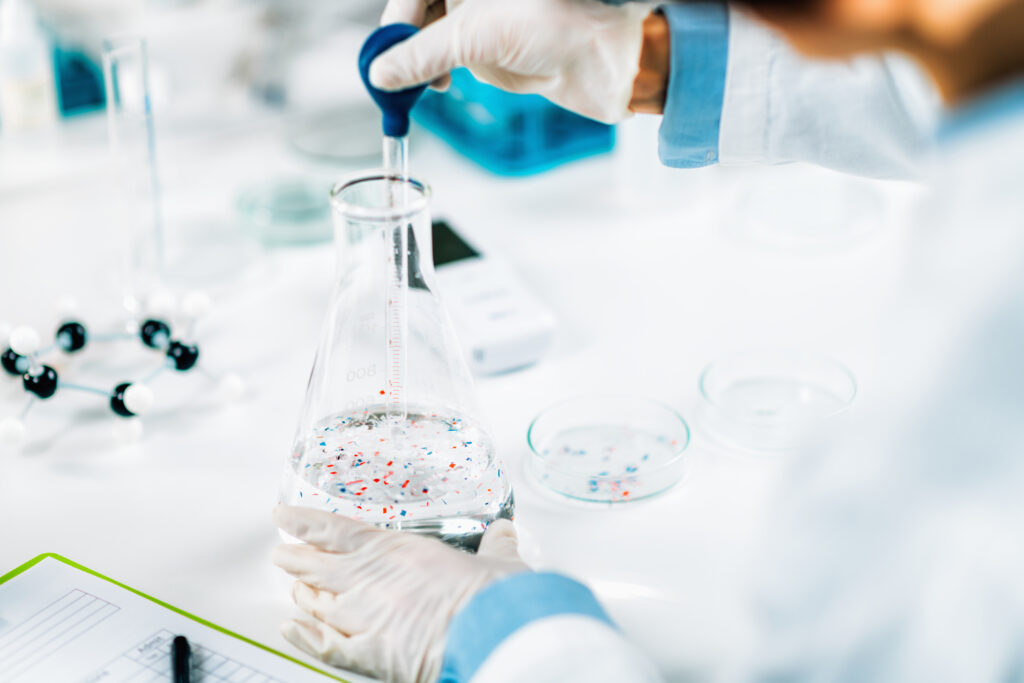
How do they end up in our drinking water?
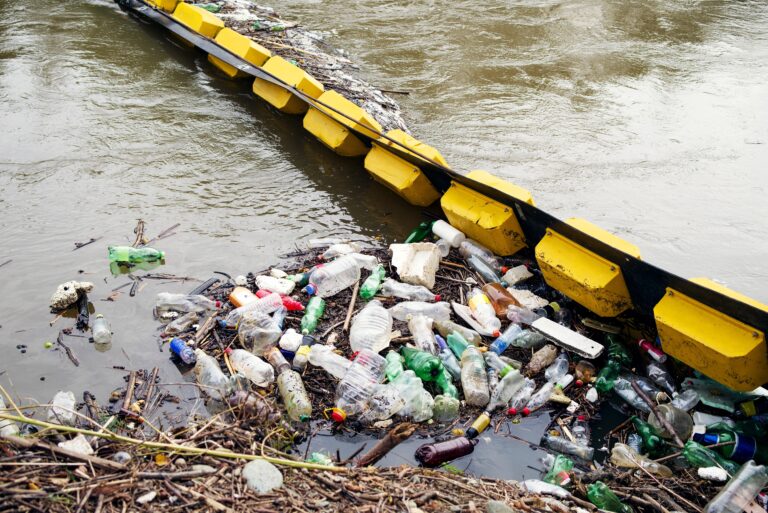
Microplastics infiltrate rivers, groundwater and can even be found in tap water. They come not only from environmental waste, but also from plastic materials used in pipes or bottles, which release particles over time.
Despite the increasing effectiveness of water treatment plants, a significant fraction—particularly the finest particles—still escapes filters and continues to circulate in drinking water networks.
What are the health risks?

Microplastics can:
- Irritate the digestive system if ingested in large quantities.
- Transport toxic substances: heavy metals, endocrine disruptors...
- Enter the bloodstream for the smallest particles (< 10 µm according to some studies).
Health authorities, including the WHO, recommend caution, even though long-term effects remain to be studied.
Can microplastics be filtered at home?
Yes, but not all systems are equal. Here are the most effective options:
1. Sediment filtration
Fine mesh filters (5 microns or less) can eliminate a large portion of visible particles.
Recommended product:
BIG BLUE filter + 5 µm sediment cartridge
This filter traps suspended particles (sand, rust, microplastics larger than 5 µm) upstream of finer treatment systems.
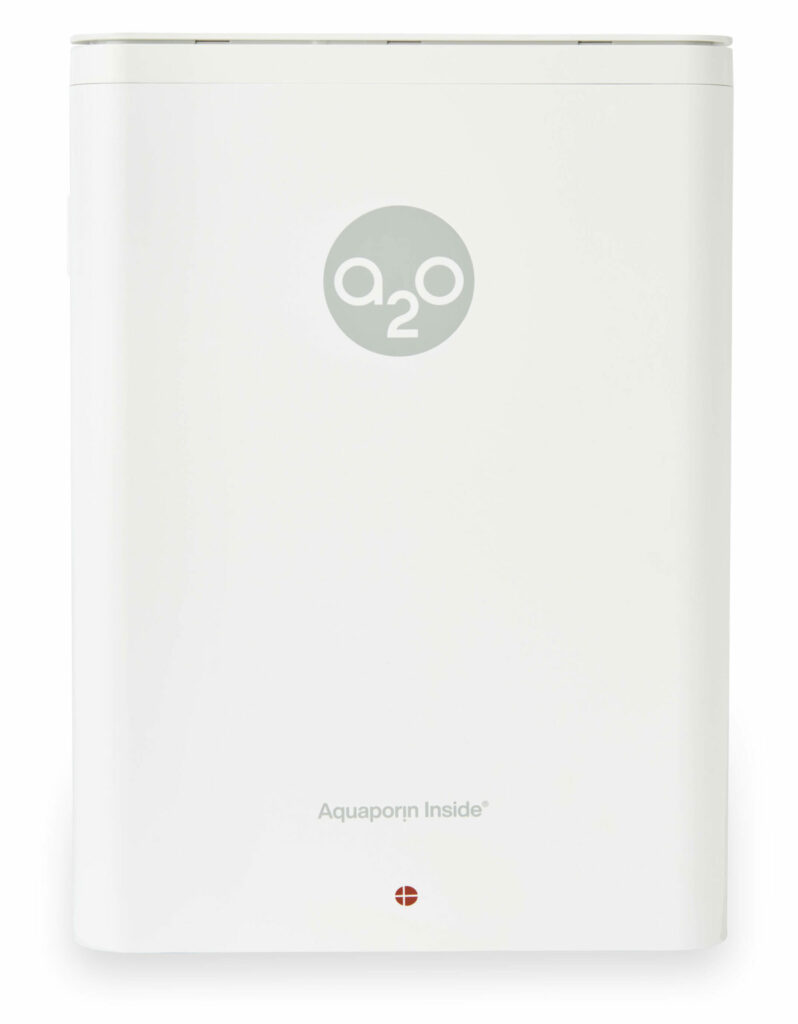
The most effective technology for eliminating microplastics, as well as heavy metals, nitrates, pharmaceutical residues and pesticides.
Recommended product: Reverse osmosis unit
Equipped with an ultrafine membrane (~0.0001 micron), it removes up to 99% of particles in water, including nano-plastics.
3. Multi-stage filtration
Combining multiple filters allows treatment of turbidity, odors, taste... and plastic particles.
Complete solution: Purifier
Integrates multiple filtration stages (sediments, activated carbon, reverse osmosis) in a compact and quiet format.
Additional best practices
- Replace filter cartridges regularly, as saturated filters can release particles.
- Avoid bottled plastic water: studies sometimes show more microplastics than tap water.
- Reduce plastic use at home (packaging, synthetic clothing).
- Use washing machine filters to prevent dispersal of microplastic fibers.
Use stainless steel, glass or Tritan bottles or carafes
These materials are safer and prevent migration of plastic particles, especially with hot or acidic liquids.Avoid cosmetic products containing microbeads
Even though they are now banned in some countries, some imported products may still contain them.Choose a certified filtration system (reverse osmosis, high-quality activated carbon, etc.)
Some systems are designed to trap the smallest particles, including microplastics.
What to remember from DIMM for water treatment
Microplastics are already present in our environment and in our water. Even if current levels remain low, it is recommended to filter the water you consume, especially for children, pregnant women and sensitive individuals.
DIMM offers proven solutions for purer water, whether for individuals or professionals.
Ask for advice to choose the filtration system suited to your water and your needs.