

Filtration Media for Water Treatment
Filtration media are essential in water treatment, they serve to retain or transform impurities according to their nature
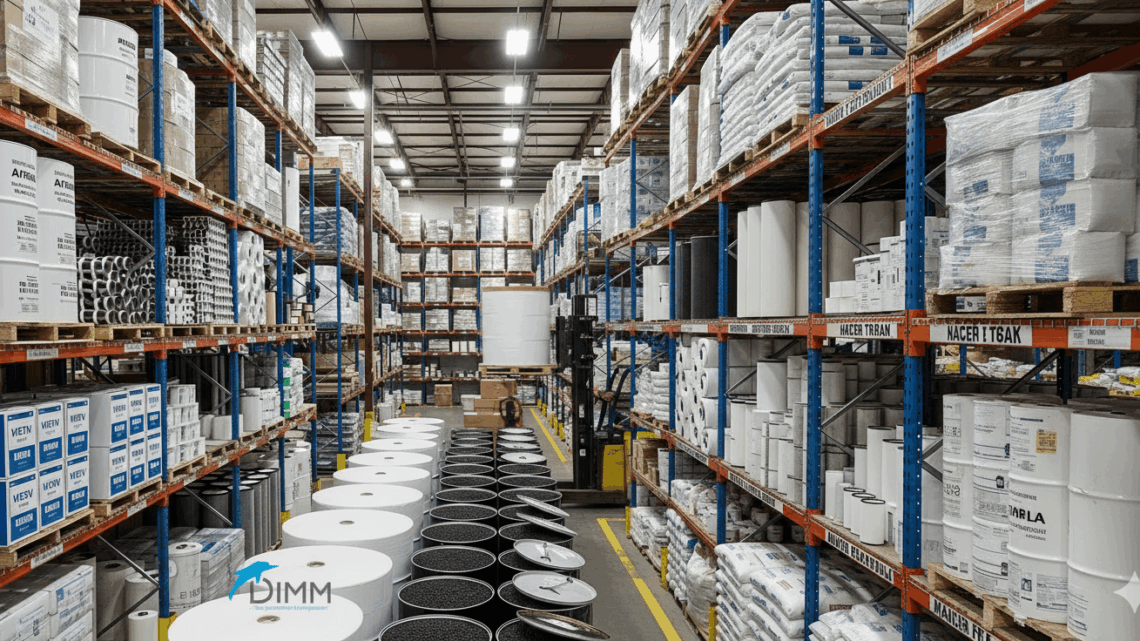
Filtration media for water treatment: guide to DIMM ranges and best practices
Water treatment is not limited to simple filtration: it is a set of processes that allow you to obtain healthier, clearer water adapted to each use. Among the essential components, filtration media play a determining role.
At DIMM, a recognized specialist in water treatment, you will find a wide range of filtration media adapted to all needs: sand and gravel, activated carbon, Birm, KDF, polyphosphates, Purolite, and Green Sand and Permanganate.
This guide helps you better understand their role, benefits, and practical applications.
Why are filtration media essential?
Filtration media are the materials contained in a water filter. They serve to retain or transform impurities, depending on their nature:
mechanical: elimination of particles and sediment;
chemical: adsorption or chemical reaction with certain contaminants;
catalytic: oxidation of iron or manganese;
ion exchange: replacement of undesirable ions (calcium, nitrates…).
The right choice of media depends on water type, flow rate, and desired result: drinking water treatment, softening, domestic filtration, or industrial treatment.
Main ranges of filtration media available at DIMM
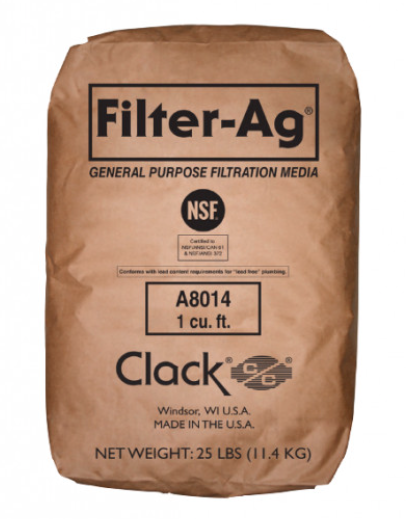
Filter sand and gravel
Sand and gravel form the basis of traditional water filters.
They provide mechanical filtration by retaining suspended particles (sand, sludge, oxides, clays).
Assets: simplicity, reliability, long lifespan.
Typical use: pool filtration, raw water or pre-treatment before reverse osmosis.
Maintenance: regular backwashing.
DIMM sands are available in several granularities to adapt to each filter type.
The activated carbon is a chemical filtration media used to adsorb substances responsible for water taste, odor, and color.
It is also very effective at eliminating free chlorine and volatile organic compounds (VOCs).
Applications: drinking water treatment, post-osmosis filtration, food processes.
Assets: significantly improves water taste and purity.
Versions: granular, powder, or block depending on desired flow rate.
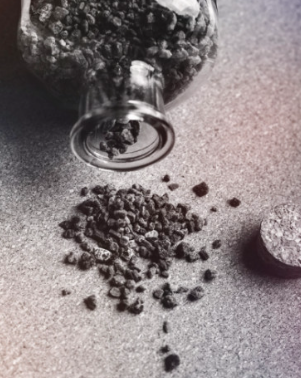
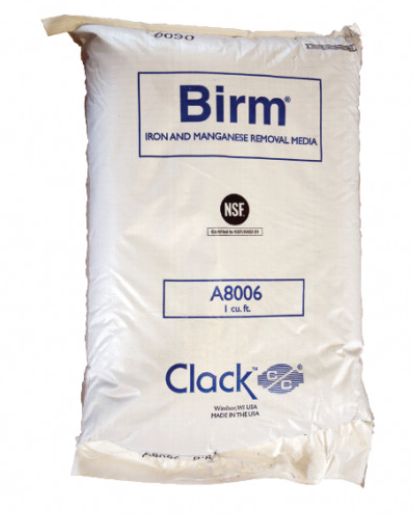
The Birm is a catalytic media designed for elimination of iron and manganese present in water.
It acts without chemicals: it is the dissolved oxygen in water that allows the oxidation reaction.
Advantages: ecological, economical, and durable.
Applications: treatment of well and private borehole water.
Maintenance: simple backwashing, without chemical regeneration.
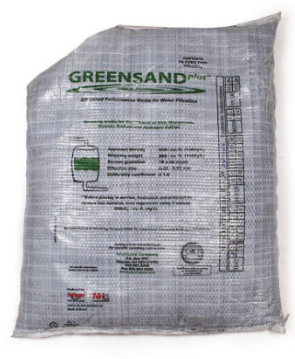
The Green Sand (or Manganese Green Sand) is sand coated with manganese oxide.
Combined with potassium permanganate, it eliminates iron, manganese, and hydrogen sulfide (H₂S) responsible for unpleasant odors.
Use: ideal for heavily loaded water.
Maintenance: periodic regeneration with permanganate.
Main asset: very complete filtration over a wide range of pollutants.
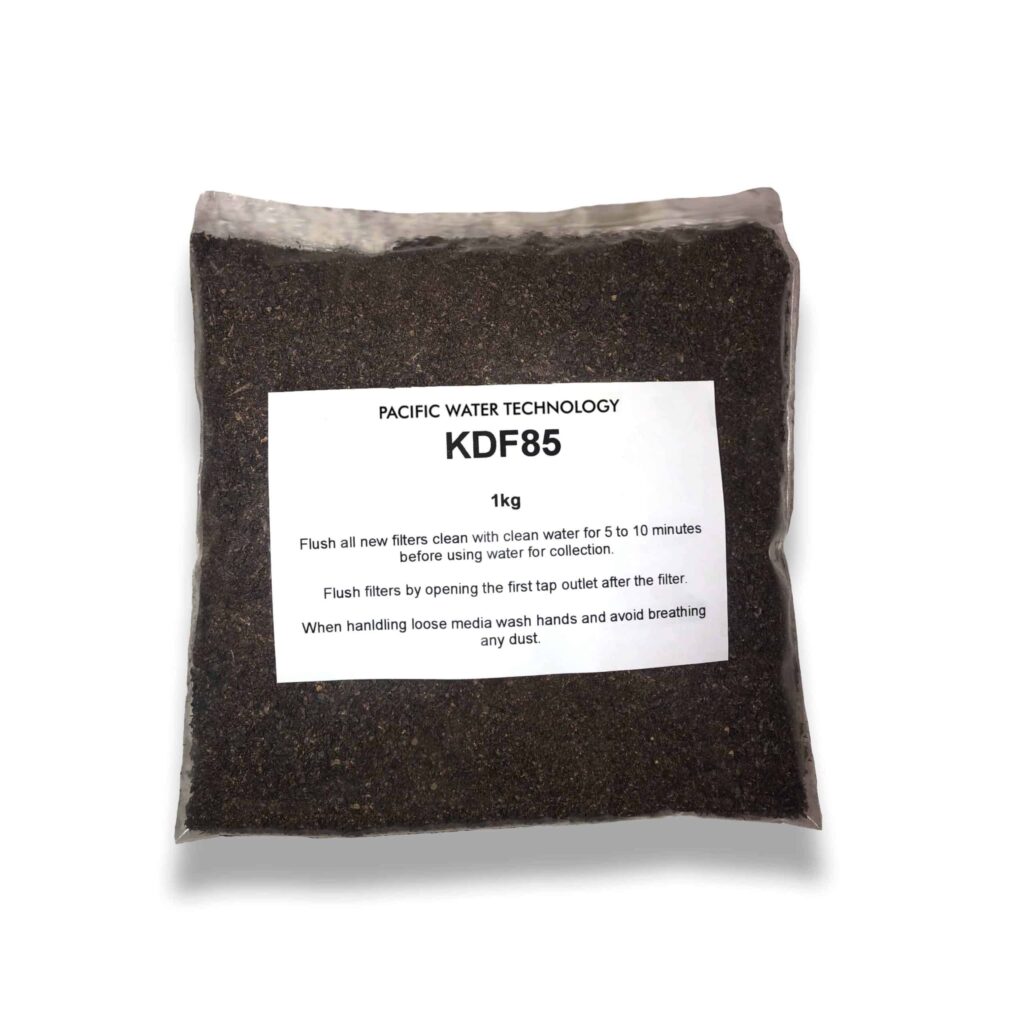
The KDF media is a copper-zinc alloy that acts through redox reduction.
It makes it possible to neutralize chlorine, reduce heavy metals (lead, mercury), and limit bacterial proliferation.
Compatible with activated carbon for combined filtration.
Applications: domestic filters, showers, professional systems.
Maintenance: self-cleaning, long lifespan.
DIMM offers KDF 55 and 85 media depending on water composition and chlorination level.
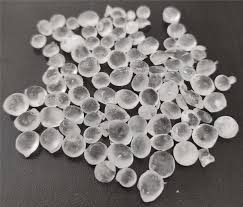
The polyphosphates are used to prevent scale formation and corrosion in hot and cold water installations.
They create a thin protective layer on metal surfaces and stabilize calcium and magnesium.
Ideal for: boilers, tanks, coffee machines, dishwashers.
Advantages: extends equipment lifespan.
Replacement: every 3 to 6 months depending on use.
Comparison table of DIMM filtration media
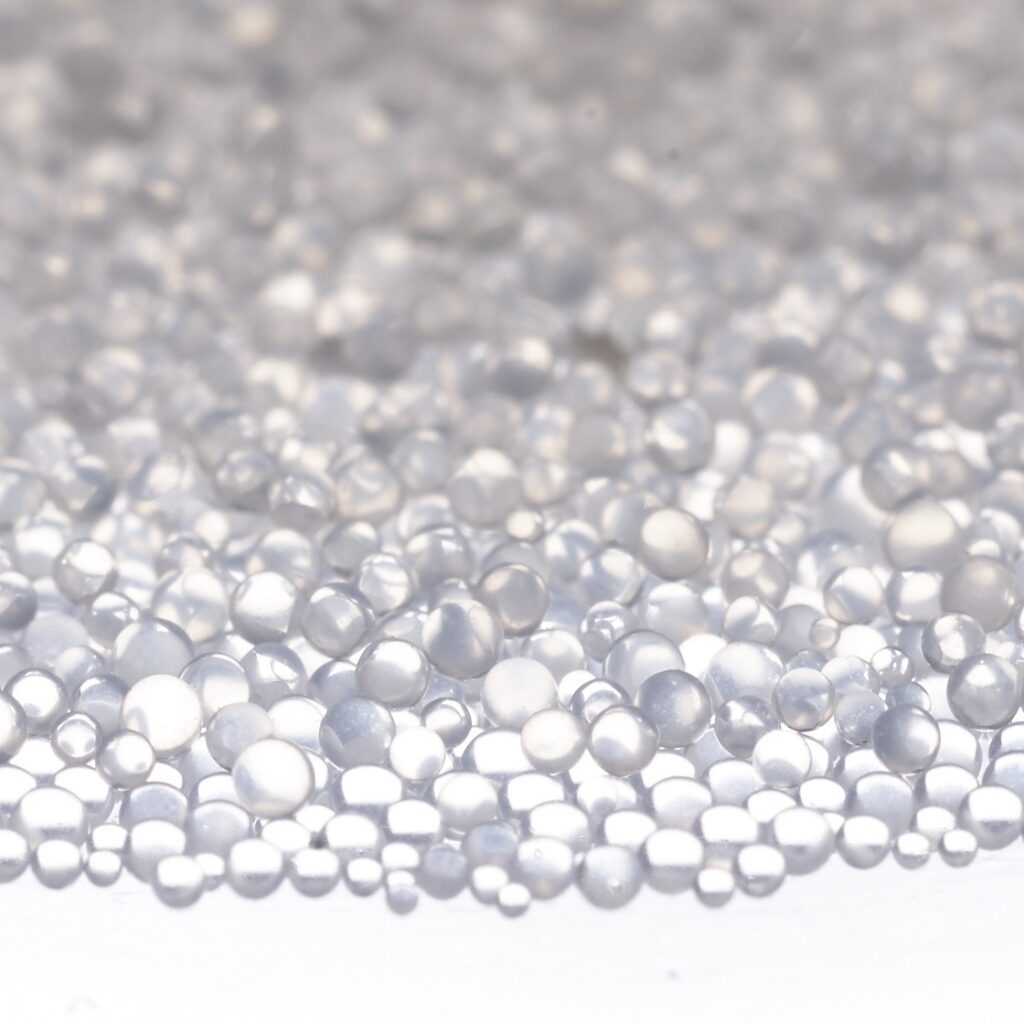
The Purolite brand is a world reference in ion-exchange resins.
These resins are used to soften, demineralize, or denitrify water.
Applications: softeners, industrial process circuits, laboratories.
Assets: wide choice of specific resins (cationic, anionic, mixed).
Why choose Purolite at DIMM?
DIMM guarantees traceability, compatibility, and technical support across the entire range.
| Filtration media | Type of action | Main targets | Recommended use | Maintenance |
|---|---|---|---|---|
| Sand & gravel | Mechanical | Sediment, sludge | Domestic, industrial | Rinsing |
| Activated carbon | Adsorption | Chlorine, odors | Drinking water | Periodic replacement |
| Birm | Catalytic | Iron, manganese | Well water | Water rinsing |
| Green Sand | Catalytic + chemical | Iron, H₂S | Raw water | Permanganate regeneration |
| KDF | Redox reduction | Heavy metals, chlorine | Pre-filtration | Low maintenance |
| Polyphosphates | Preventive | Scale, corrosion | Hot/cold water | Cartridge replacement |
| Purolite | Ion exchange | Calcium, nitrates | Softeners | Salt/acid regeneration |
How to choose the right filtration media?
First of all, it is essential to have your water analyzed to identify the contaminants to be treated.
Then:
Determine your objective (clarification, softening, disinfection).
Choose a media suitable for your flow rate and water quality.
Combine multiple media for complete filtration (ex. KDF + activated carbon).
Call on DIMM experts for customized recommendations.
🔍 DIMM offers technical support and a complete stock of ready-to-use filtration media.
Maintenance and lifespan
A filtration media must be monitored regularly: clogging, pressure drop, or unusual taste are signs of saturation.
Each media has a different lifecycle, from a few months (polyphosphates) to several years (Birm, sand).
Proper maintenance ensures purer water and extended system lifespan.
Conclusion
Filtration media are essential to guarantee clean, healthy water adapted to your needs.
Thanks to its complete range and recognized expertise, DIMM supports you in choosing the most effective media for your installation.
Have a Question About This Product?
Our technical team is at your service to advise you and offer the solution adapted to your B2B project.
Request a Quote View Our Catalogues