

The Critical Importance of Water Treatment in Healthcare Facilities:
This article explores in depth the unique challenges related to water quality in each of these critical environments, highlights the risks associated with untreated or poorly treated water, and presents cutting-edge water treatment technologies that guarantee safe, pure water adapted to each use.
We will address how state-of-the-art water treatment systems contribute not only to regulatory compliance, but especially to the protection of the most vulnerable populations and the operational excellence of healthcare facilities.
In our daily lives, water is a precious resource, essential to life. But when it comes to environments as sensitive as healthcare facilities – hospitals, analysis or research laboratories, and nursing homes – its quality should never be left to chance. Here, water serves not only for hydration or hygiene; it is a fundamental element of patient safety, diagnostic reliability, equipment performance, and the general wellbeing of vulnerable people. Lower-quality water can have disastrous consequences, ranging from simple ineffectiveness to major health risks, even lives at stake. This is why water treatment in hospitals, laboratory water purification, and water management in nursing homes are capital issues that require specific and rigorous expertise and solutions.
Water Treatment in Hospital Environments: A Vital Necessity for Patient Safety
Hospitals are places where life and death meet daily, and where every detail matters. The quality of water used at all levels of operation is absolutely paramount. Water is employed for numerous critical applications, each with very specific purity requirements.
Specific Hospital Challenges:
- Kidney Dialysis: This is undoubtedly the most demanding application in terms of water quality. Dialyzed patients are directly exposed to very large volumes of water (several hundred liters per week) whose impurities can enter their blood. Ultra-pure water is essential to avoid any bacterial contamination, any presence of endotoxins, or chemical substances that could seriously harm their health. Water treatment for dialysis is therefore subject to extremely strict standards.
- Sterilization and Cleaning of Surgical Instruments: To guarantee effective sterilization of medical and surgical instruments, the water used for washing must be free of minerals, organic residues, and microorganisms. Hard water, for example, can leave limescale deposits on instruments, compromising their cleanliness and proper functioning and promoting biofilm adhesion. These deposits can also damage sterilizers themselves, resulting in high maintenance costs.
- Operating Rooms and Intensive Care: In these high-risk areas where patients are often immunocompromised, water used for hand hygiene, surface cleaning, or even air humidification must be of impeccable quality to prevent proliferation of pathogenic germs and transmission of nosocomial infections.
- Boiler and HVAC System Water Supply: Untreated water for these systems can lead to pipe scaling, equipment corrosion, and proliferation of dangerous bacteria such as Legionella pneumophila. Legionella prevention in hospital settings is a major public health issue, and water treatment is an essential component of this strategy.
- Preparation of Medicines and Intravenous Solutions: Although often performed with water for injectable preparations (WFI) produced on-site or purchased, the quality of base water remains a key factor.
- General Hygiene: Showers, sinks, laundries – even for seemingly less critical uses, water quality impacts hygiene and comfort for patients and staff.
Consequences of Poorly Treated Water in Hospitals:
The risks are multiple and serious. Nosocomial infections can spread, causing additional suffering to patients and extending their stay. Equipment breakdowns due to scaling or corrosion can lead to costly and critical service interruptions. Medical analysis results distorted by water contaminants can lead to misdiagnosis and inappropriate treatment. The facility's image and reputation can be seriously damaged.
Water Treatment Solutions and Technologies for Hospitals:
To face these challenges, hospitals rely on an arsenal of water treatment technologies, often combined to achieve required purity levels:
- Reverse Osmosis (RO): It is the cornerstone of many medical water purification systems, particularly for dialysis and laboratories. Reverse osmosis uses a semi-permeable membrane to eliminate up to 99% of impurities, including bacteria, viruses, dissolved salts, and particles. The process is very efficient for producing ultra-pure water from raw water.
- Ultrafiltration (UF): A UF membrane is used to eliminate particles in suspension, colloids, and larger microorganisms (bacteria, viruses, protozoa). It is often used as pre-treatment before reverse osmosis or for applications requiring particle-free and sterile water.
- UV Disinfection (Ultraviolet): UV lamps emit UV-C light that damages microorganism DNA (bacteria, viruses, spores), preventing them from reproducing and causing infections. It is a physical disinfection method, without chemical addition, often used complementarily to other technologies for microbiologically safe water.
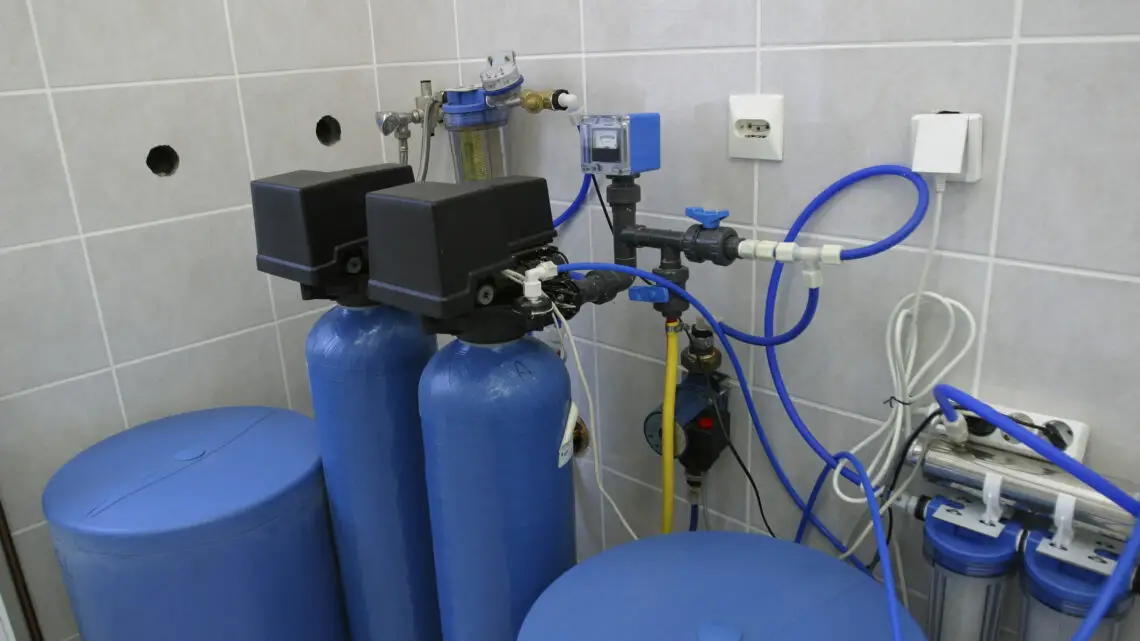
- Water Softening: Softening eliminates calcium and magnesium ions responsible for limescale, protecting equipment (sterilizers, boilers, washing machines) from scaling and extending their lifespan. A hospital water softener also optimizes the effectiveness of detergents and disinfectants.
- Demineralization (by Ion-Exchange Resins): Ion-exchange resins can be used to specifically capture certain ions, such as nitrates or sulfates, or to produce demineralized water. They are often used complementarily to reverse osmosis to achieve very high purity levels.
- Advanced Filtration (Activated Charcoal, Sediments): These filters eliminate sediment, chlorine, unwanted odors and tastes, preparing water for subsequent treatment steps and improving its overall quality for less critical uses.
- Continuous Monitoring and Preventive Maintenance: Beyond equipment, proactive water quality management is essential. This includes regular analysis (physico-chemical, bacteriological), online monitoring of system parameters, and rigorous preventive maintenance to guarantee proper operation and compliance with water health standards.
Regulatory compliance is a fundamental pillar of water treatment in hospital settings. National and international guidelines define water quality thresholds for each use, and facilities must comply with regular audits and inspections to attest to their compliance with these strict standards.
Water in Analysis and Research Laboratories: Purity in Service of Precision
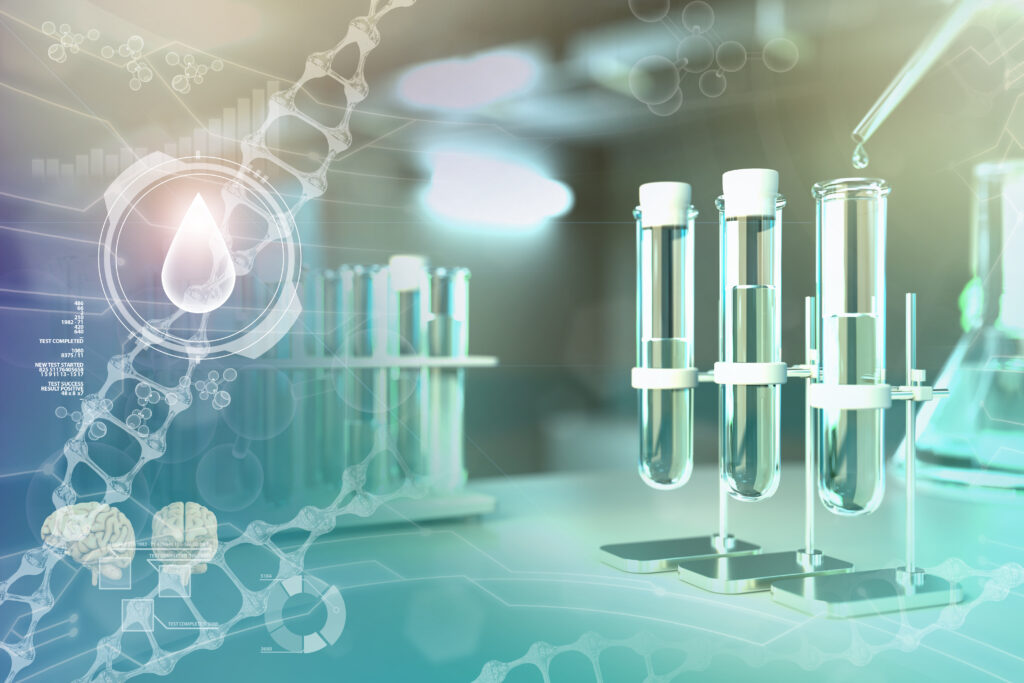
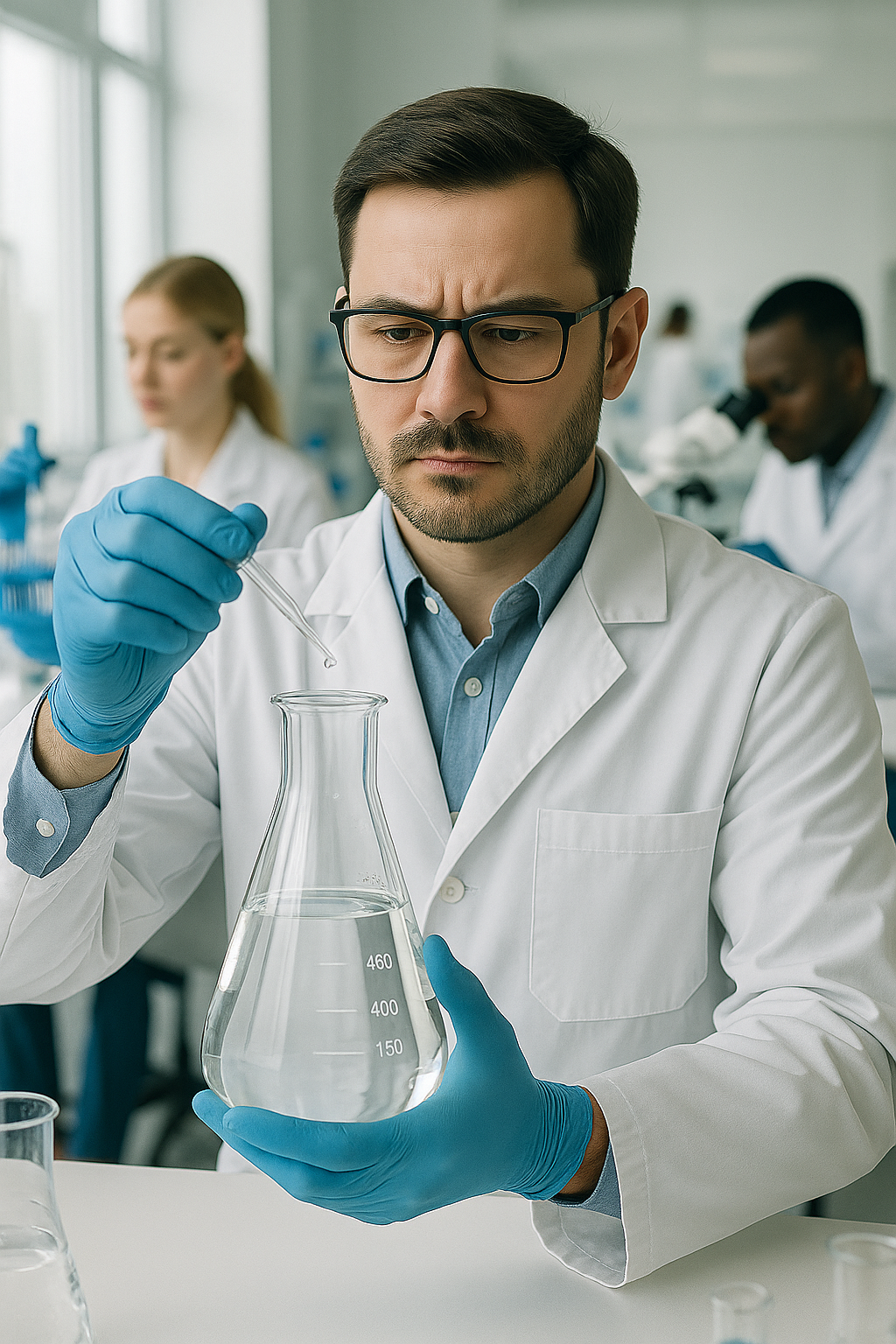
In laboratories, whether medical analysis, fundamental research, pharmaceutical, or industrial, water is not just a solvent; it is an essential reagent that must be of absolute purity to guarantee reliability and reproducibility of results. The slightest impurity can introduce errors in analyses, distort diagnoses, or compromise experiments.
Purity Requirements and Their Applications:
Laboratories generally classify water according to its purity level, from "Type III" (osmosed or demineralized water) to "Type I" (ultrapure water):
- Type III Water (So-called "Primary" Water): This is the base water, usually produced by reverse osmosis or deionization. It is used for glassware washing, autoclaves feeding, water baths, and as feed water for systems producing higher-purity water.
- Type II Water: Intermediate purity, obtained through additional treatment (often distillation or electrodeionization after RO). It serves for reagent preparation, analyzer feeding, and certain cell cultures.
- Type I Water (Ultrapure Water): This is the grail of laboratories. Extremely pure, free of ions, particles, organic matter, and microorganisms. It is essential for highly sensitive analytical techniques like high-performance liquid chromatography (HPLC), mass spectrometry, electrophoresis, sensitive cell cultures, and molecular biology. Ultrapure water production for laboratories is cutting-edge technology.
Risks Associated with Non-Compliant Water in Laboratories:
- Sample Contamination: Undesirable ions, bacteria, or particles in water can contaminate samples, leading to erroneous analysis results.
- Interference with Analyses: The presence of certain compounds in water can interfere with chemical or physical reactions in tests, generating false positives or false negatives.
- Equipment Deterioration: Laboratory equipment, often very expensive and sensitive, can be damaged by hard or contaminated water, requiring costly repairs or replacement.
- Time and Resource Loss: Analyses to redo, experiments to repeat, all resulting in reagent waste, wasted time, and money.
Water Purification Technologies for Laboratories:
Laboratories use sophisticated, often modular purification systems to produce water at the required purity level:
- Reverse Osmosis and Electrodeionization Systems (EDI): RO is the first step to eliminate most impurities. EDI, which combines ion-exchange resins and electric current, is often used after RO to eliminate remaining ions without requiring chemical regeneration, producing high-quality deionized water continuously.
- Activated Charcoal Filters: Essential for eliminating chlorine, organic compounds, and odors that can interfere with analyses or damage reverse osmosis membranes.
- Ion-Exchange Resins: Used in columns to capture remaining ions and "polish" the water, achieving very high resistivity levels, indicators of ionic purity.
- UV Lamps (Ultraviolet): Indispensable at the end of the chain for TOC (Total Organic Carbon) reduction and microorganism destruction. UVs are very effective for obtaining bacteria-free water and minimizing biofilm.
- Microfiltration and Ultrafiltration: These fine membranes are used downstream to eliminate final particles and microorganisms, guaranteeing pyrogen-free water suitable for sensitive cell cultures.
- Distillation: While less common today for ultrapure water (energy-intensive), distillation remains a reliable method for producing Type II and III water by eliminating most contaminants.
The importance of traceability and validation of water treatment systems is crucial in laboratories. Rigorous quality control procedures, including regular water analysis, are necessary to ensure the system functions optimally and that water meets required specifications. Managing TOC in laboratory water is also a key parameter to monitor for the most sensitive applications.
Water Treatment in Nursing Homes and Assisted Living Facilities: Preserving Resident Wellbeing
Nursing homes, or Assisted Living Facilities for Dependent Elderly (EHPAD), welcome a particularly vulnerable population: elderly people, often weakened, sometimes immunocompromised, and therefore more susceptible to infections and water-related illnesses. Ensuring safe and healthy water is an absolute priority for resident comfort and safety.
Specific Concerns in Nursing Homes:
- Drinking Water: The quality of tap water is crucial for daily resident hydration. Any contamination can have serious consequences for fragile organisms.
- Showers and Baths: Sanitary facilities are important risk points for bacterial proliferation, particularly Legionella pneumophila, responsible for legionellosis, a serious lung disease. Legionella prevention in nursing homes is a legal and major health obligation.
- Laundry and Kitchens: Water used for washing sheets and clothes, as well as for meal preparation, must be of good quality for hygiene and food safety reasons.
- Heating and Hot Water Supply Systems (HWS): These systems are potential breeding grounds for bacterial development and corrosion if not properly managed and treated.

Consequences of Poor Water Quality in Nursing Homes:
The risks are very real: water-borne disease outbreaks (gastroenteritis, legionellosis), dermatological problems related to hard water, or equipment breakdowns in kitchen or laundry. All this directly impacts resident quality of life and facility reputation.
Suitable Solutions for Water Treatment in Nursing Homes:
Water treatment solutions for nursing homes are designed to be effective, reliable, and easy to manage, while respecting budgets:
- Drinking Water Filtration: Point-of-entry (POE) systems for the entire building, or point-of-use (POU) filters for specific faucets (kitchens, infirmaries) can be installed to eliminate sediment, chlorine, and other contaminants, improving taste and safety of drinking water.
- Water Softeners: Installing a water softener for a nursing home reduces water hardness, which has multiple benefits: protecting equipment (washing machines, dishwashers, water heaters) against scaling, reducing detergent consumption, improving comfort for showers and baths (less dry skin, stiff hair).
- Anti-Legionella Treatment: This is an absolute priority. Several strategies can be implemented:
- Thermal Shock: Raising water temperature to very high levels (above 60°C) throughout the network for a given period to kill bacteria.
- Chemical Disinfection: Using disinfectant products (such as chlorine dioxide or chlorine) to eliminate bacteria in the hot water network.
- Point-of-Use Filtration (Terminal Filters): Specific filters can be installed on faucets and shower heads to trap Legionella and other bacteria, offering immediate protection to residents.
- UV Disinfection: Integration of UV lamps on hot water loops to continuously disinfect water.
- Water Quality Monitoring and Health Risk Management Systems: Implementation of a Legionella risk management plan is mandatory. It involves regular water sampling and analysis, temperature monitoring, and preventive network maintenance (purging, descaling). Water analysis in nursing homes is a key element of this management.
- Regular Network Maintenance: Careful monitoring and regular maintenance of pipes, water heaters, and plumbing equipment are essential to prevent water stagnation and biofilm formation, two factors promoting bacterial proliferation.
The goal is to guarantee quality water for all uses, particularly for residents, and to ensure the facility complies with applicable health regulations.
Common benefits of water treatment solutions for all these facilities
Beyond the specifics of each environment (hospitals, laboratories, nursing homes), water treatment solutions share fundamental benefits that justify their deployment and rigorous maintenance. Investing in water quality is not an expense, but a strategic investment with multiple benefits.
- Increased Safety and Life Protection: This is the most important benefit. Treated water drastically reduces risks of infections, illnesses, and complications, thus protecting patients, residents, and staff. It guarantees a safer and healthier environment. Water sanitary safety is the common thread in all treatment initiatives.
- Operational Reliability and Extended Equipment Lifespan: Expensive medical equipment, sophisticated laboratory machines, boilers, industrial washers... all are sensitive to scaling, corrosion, and contaminants. Treated water significantly extends their lifespan, reduces unexpected breakdowns, and decreases repair and replacement costs. This ensures continuity of essential services.
- Regulatory and Legal Compliance: All these facilities are subject to strict water quality regulations (European directives, national standards, WHO recommendations). Implementing high-performance water treatment systems and maintaining them guarantees compliance, avoiding fines, sanctions, or service closures. A water quality audit helps ensure this compliance.
- Effectiveness and Precision of Processes: In laboratories, pure water guarantees precise and reproducible analysis results. In hospitals, it ensures optimal sterilization and safe dialyses. In nursing homes, it improves hygiene and comfort. Water is a key element of overall performance.
- Long-Term Cost Reduction: Paradoxically, investing in water treatment can generate substantial savings. Fewer infections means fewer additional care and hospitalization days. Fewer equipment breakdowns mean less maintenance and replacement spending. Reduced chemical consumption (detergents, disinfectants) thanks to water softening. Water and resource consumption optimization is often possible.
- Image and Reputation Improvement: A facility demonstrating strong commitment to water quality and occupant safety strengthens its reputation, inspires trust from families and patients, and attracts top professionals. It is a major advantage for facility communication and marketing. Water-related risk management is an indicator of overall care quality.
- Environmental Impact: Many modern water treatment solutions are designed to be more sustainable, reducing water and energy consumption, as well as chemical use, thereby contributing to facility sustainability objectives.
Water, an Indispensable Pillar of Care Quality and Wellbeing
Water treatment is far more than a simple technical constraint; it is a fundamental pillar of care quality, scientific research, and elderly wellbeing. From hospitals to laboratories, through nursing homes, every drop of water used must meet rigorous purity and safety criteria, adapted to specific uses and vulnerable populations. Water treatment solutions, whether reverse osmosis, UV disinfection, softening, or Legionella risk management systems, are essential investments to guarantee a healthy, reliable, and high-performing environment.
Together, let's ensure quality water for a healthier future.
Faced with the complexity of requirements and diversity of technologies, it is essential to rely on water treatment professionals. These specialists can perform precise needs assessment, design custom solutions, install state-of-the-art equipment, and ensure rigorous maintenance, thus guaranteeing compliance of your installation and the safety of all concerned. Do not wait for an incident to occur before taking action. Proactive water quality management is a mark of responsibility and excellence.
 Contact us
 For a personalized assessment of your water treatment solution needs or to learn more about water purification technologies adapted to your facility, please do not hesitate to contact our experts.
> Learn more: scale inhibition
Published inBlog