


How to Maintain Your Water Softener?
The water softener is essential equipment, whether for your home, business, or factory, ensuring limescale-free water and significantly prolonging the lifespan of your installations and appliances. At Dimm, your water treatment specialist in France, we understand that optimal softener performance relies on rigorous and well-understood maintenance.
Although Dimm does not perform direct installation or maintenance, our mission is to equip you with the most precise and complete knowledge to maintain your water softener, whether domestic, professional, or industrial, and thus guarantee irreproachable water quality over the long term.
This exhaustive maintenance guide will provide you with all the keys to understand the importance of preventive softener maintenance, identify signs of water softener dysfunction, and know how to act to preserve your water treatment investment. We will explore the specifics of maintenance for water softeners in different environments, from individual homes to large industrial complexes, with an emphasis on best practices and the use of suitable maintenance products available through Dimm.
The Crucial Importance of Water Softener Maintenance: Preserving Your Soft Water Capital
A well-maintained water softener is synonymous with constant and reliable softened water, free from the harmful effects of limescale and scale. Regular softener maintenance is not optional, but an absolute necessity for several fundamental reasons:
- Guarantee Performance and Efficiency: A unmaintained water softener will see its softening effectiveness decrease progressively. The ion-exchange resin, the system's core, can become clogged, valves can become blocked, and regeneration can become inoperative, resulting in hard water returning to your circuit. Proactive maintenance ensures optimal and continuous softener performance.
- Extend Equipment Lifespan: Like any water treatment system, a softener is subject to wear and tear. Regular maintenance makes it possible to detect and correct small problems before they transform into costly softener breakdowns. It is the best way to extend the lifespan of your softener and maximize your return on investment.
- Reduce Operating Costs: A poorly functioning softener can lead to overconsumption of regeneration salt, rinse water, or even damage other water-consuming appliances (water heater, washing machines, etc.). Preventive maintenance makes it possible to maintain optimal salt and water consumption, generating significant long-term savings.
- Ensure Water Sanitary Quality: In certain contexts, poor softener maintenance can promote bacterial development or water stagnation, affecting the sanitary quality of the treated water. Regular cleaning and periodic disinfection of the softener are essential, particularly in domestic applications and sensitive industries.
- Maintain Regulatory Compliance: For professional and industrial softeners, strict water quality and safety standards must be respected. A rigorous maintenance program is often a regulatory requirement to avoid fines and ensure process and product safety.
Key Softener Components and Their Specific Maintenance
To properly maintain a softener, it is essential to understand the role of its main components and associated maintenance actions.
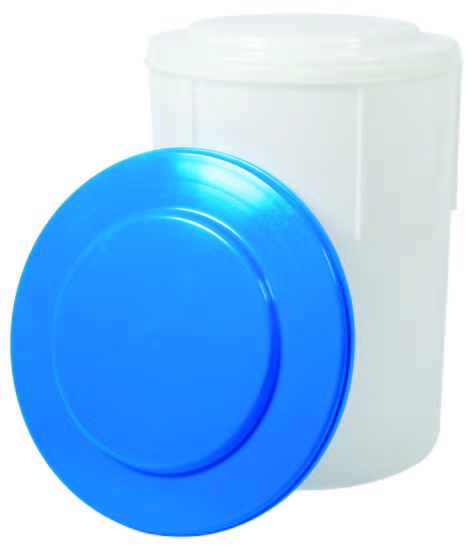
The Salt Tank (or Brine Tank):
This is where regeneration salt is stored and transformed into brine, essential for resin regeneration.
Maintenance: Checking the salt level should be frequent (every month or two, depending on consumption). Always use salt pellets for softener or high-purity salt crystals, certified for water softening. Avoid food salt or de-icing salt. Cleaning the brine tank is also crucial to prevent salt bridges (solid salt mass preventing dissolution) and sludge accumulation. Annual cleaning with complete drainage is recommended. Dimm offers superior quality regeneration salt bags for all types of water softeners.
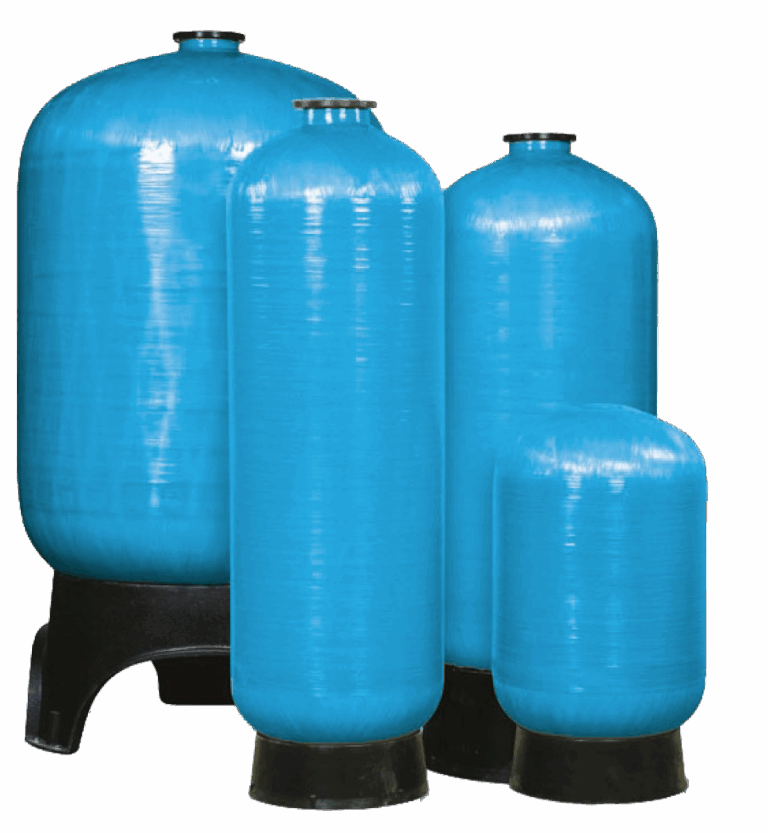
The Resin Bottle and Ion-Exchange Resin:
The softener resin, composed of thousands of resin beads, is the heart of the ion-exchange process that removes calcium and magnesium from hard water.
Maintenance: The resin regenerates automatically, but it can become clogged over time (iron, manganese, organic matter). Cleaning the resin with a specific softener resin cleaner (often citric acid or chlorine-based) is recommended every 1 to 3 years. Disinfection of the softener resin is also a key step, especially if the softener is not used regularly or if odors appear. Dimm offers maintenance and disinfection products for softener resins. It is also important to monitor the lifespan of the softener resin, which is generally 10 to 15 years. Beyond that, replacement of the softener resin is necessary.
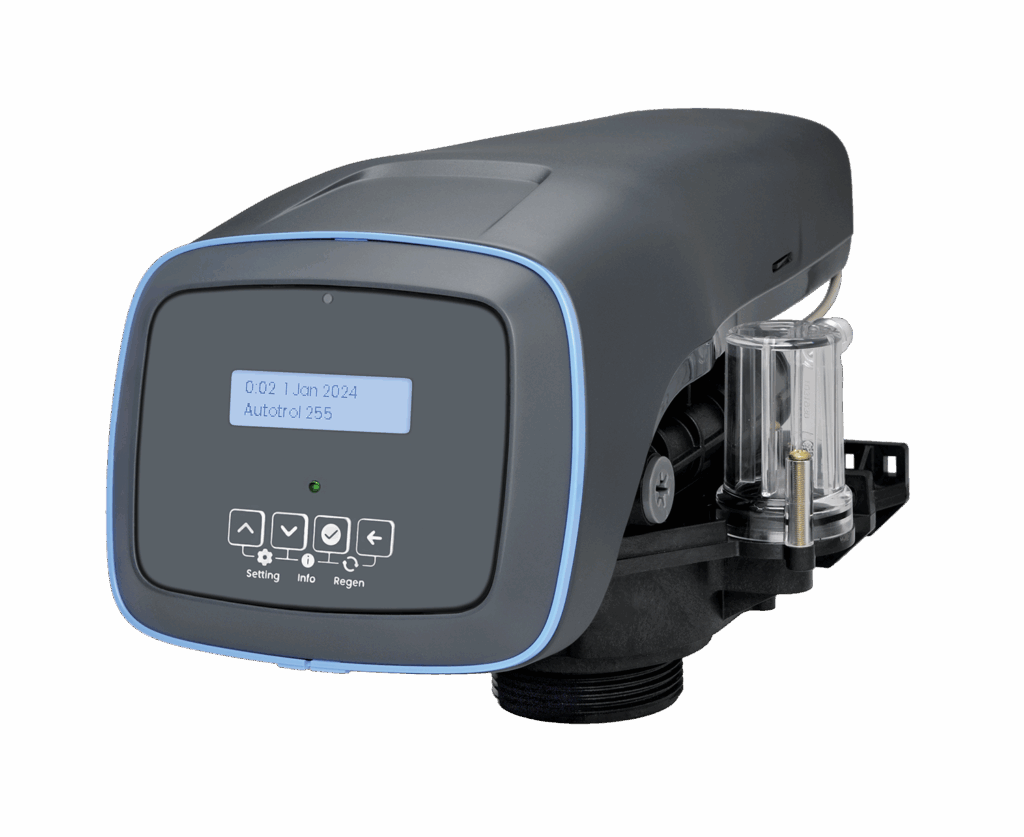
The Control Valve (or Softener Head):
It is the brain of the softener, which manages service cycles, regeneration, rinsing, and brine tank filling.
Maintenance: The softener valve (Fleck, Clack, Autotrol, Siemens type, etc.) requires less direct user intervention, but it is important to verify its settings (regeneration frequency, volume of water treated) and ensure it does not show leaks. Regeneration cycles must proceed without interruption. Visual inspection of pipes and fittings is essential to detect possible leaks. For electronic valves, checking programming parameters is necessary during regular checks.
Maintenance of Domestic Water Softeners: Practical Guide for Homeowners
For domestic softeners, regular maintenance can be performed by the owner, with simple but effective actions.
- Monthly Salt Level Check: Ensure that the salt tank is always filled three-quarters full. Lack of softener salt is the number one cause of hard water problems.
- Water Hardness Test: Use a water hardness test kit (strips or reagent) once a month to verify that the softened water has the desired hardness (generally between 5 and 8 °fH for comfort and protection). If hardness is too high, it may indicate a softener regeneration problem or need for readjustment.
- Annual Brine Tank Cleaning: Drain, clean, and rinse the brine tank once a year. This prevents the accumulation of deposits and sludge that can impair salt dissolution.
- Resin Disinfection and Cleaning (Every 1-3 years): Use a softener resin cleaner and softener disinfectant to eliminate impurities and prevent bacterial proliferation. Dimm offers effective solutions for this essential maintenance.
- General Visual Inspection: Inspect fittings, pipes, and the softener valve to detect any leaks or signs of wear. Ensure the softener bypass is in service position.
In case of softener breakdown or unexplained malfunction, Dimm recommends consulting the softener user manual or contacting a qualified water treatment professional for softener diagnostics and repair.
Maintenance of Professional and Industrial Water Softeners: A Strategic Issue
In professional and industrial environments, water softener maintenance takes on a strategic dimension. Non-compliant water or an industrial softener breakdown can have major financial and operational consequences: production shutdowns, damage to expensive equipment (boilers, cooling towers, RO systems, industrial washing machines), sanitary non-compliance (food and beverage industry, healthcare), or impact on finished product quality.
Professional and industrial softeners are often more complex, with much higher flow rates and resin capacities. Industrial softener maintenance must be integrated into a comprehensive preventive maintenance plan for industrial water treatment systems.
Specifics of Maintenance in Professional/Industrial Environments:
- Frequent and Automated Checks: Beyond salt verification, online hardness monitoring systems can be installed to alert immediately if hardness levels are exceeded.
- Regular Water Analysis: In-depth water analysis (chemical, microbiological) is often performed by third-party laboratories to ensure treated water meets process specifications.
- Professional Cleaning and Disinfection: Given volumes and stakes, resin cleaning and disinfection are typically performed by specialized water treatment technicians using equipment and products suitable for large installations.
- Verification of Peripheral Equipment: Industrial softeners are often integrated into more complex water treatment chains (filtration, reverse osmosis, demineralization). Maintenance must include verification of pre-filters, dosing pumps, sensors, and control automats.
- Reject Management: Regeneration brine is an effluent. Maintenance must also ensure that rinse and regeneration waters are disposed of in compliance with environmental regulations.
- Specific Maintenance Contracts: Businesses often opt for industrial softener maintenance contracts with companies specializing in water treatment. These contracts include regular visits, complete checks, performance tests, replacement of wear parts, and emergency intervention in case of softener breakdown.
Dimm, as a water treatment solution provider, supplies all necessary consumables and maintenance products for these large-scale softeners, ensuring the continuity and efficiency of your operations.
Dimm Essential Products for Softener Maintenance
At Dimm, we commit to providing you with the best products for softener maintenance, regardless of its type or size.

Regeneration Salt
We offer a complete range of salt specifically designed for softener resin regeneration. View our catalog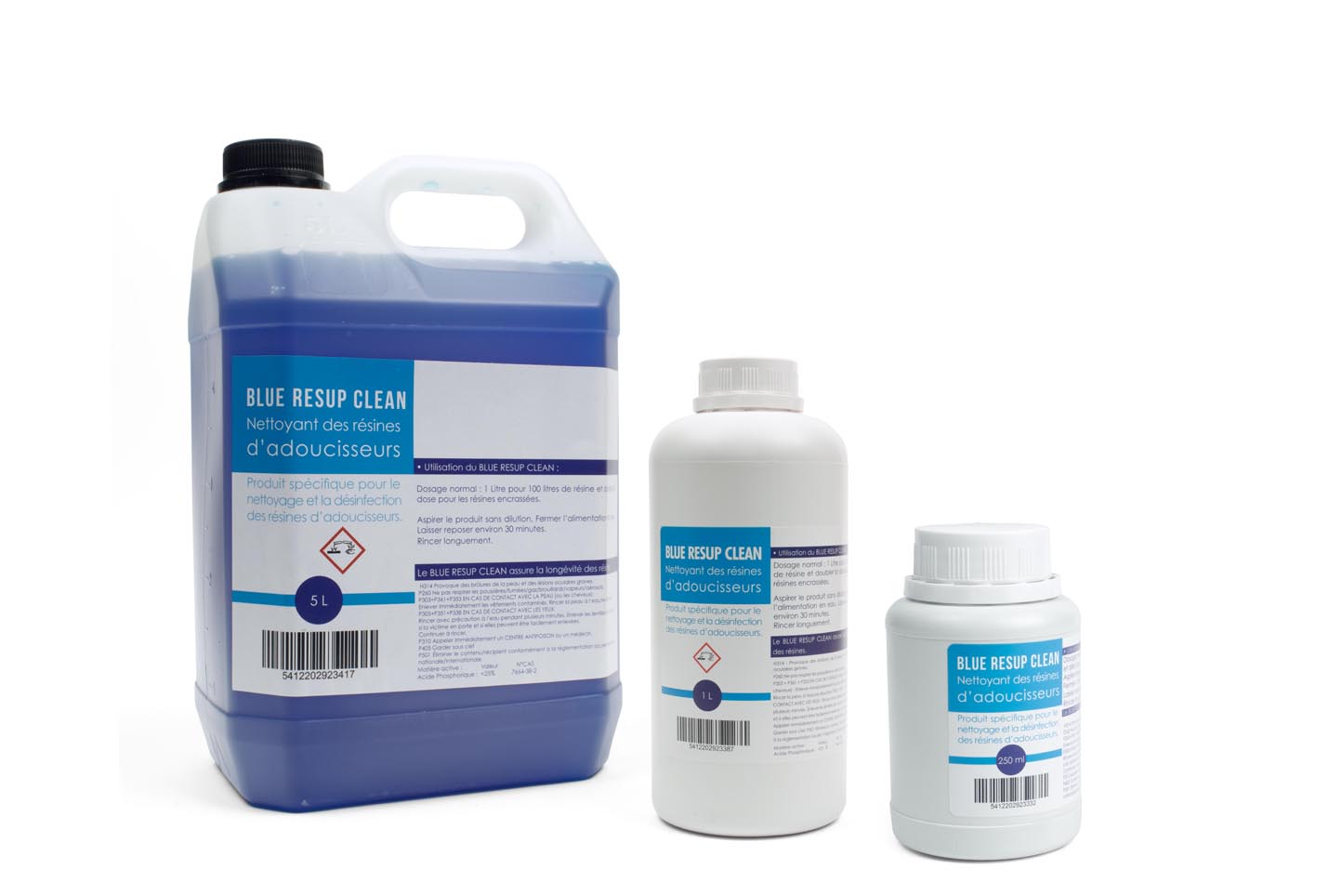
Resin Cleaners
Our softener resin cleaners are formulated to eliminate deposits that can clog the resin and reduce its effectiveness. View our catalog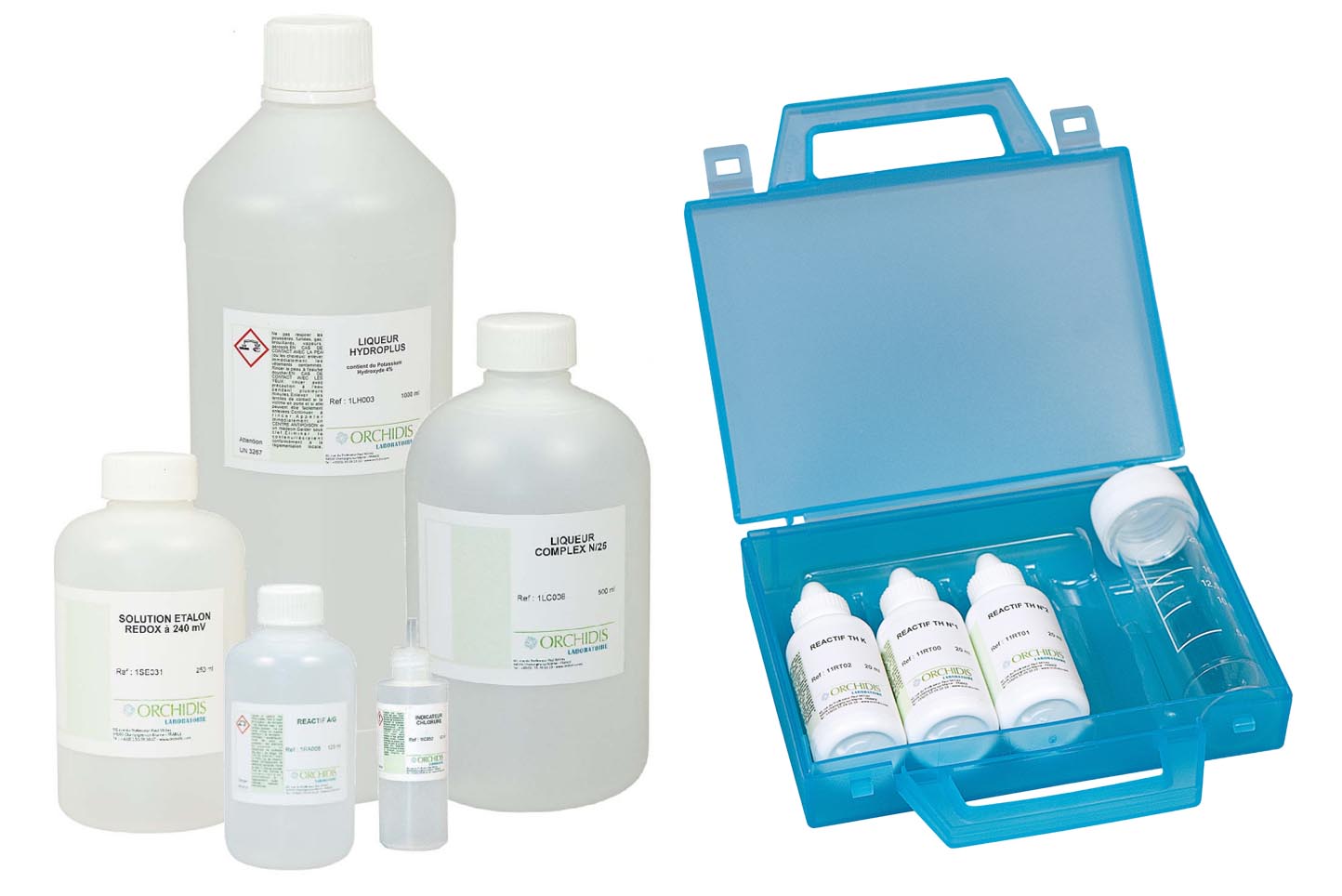
Hardness Test Kits
Dimm provides you with reliable water hardness test kits for easy and accurate hardness testing of softened water. View our catalog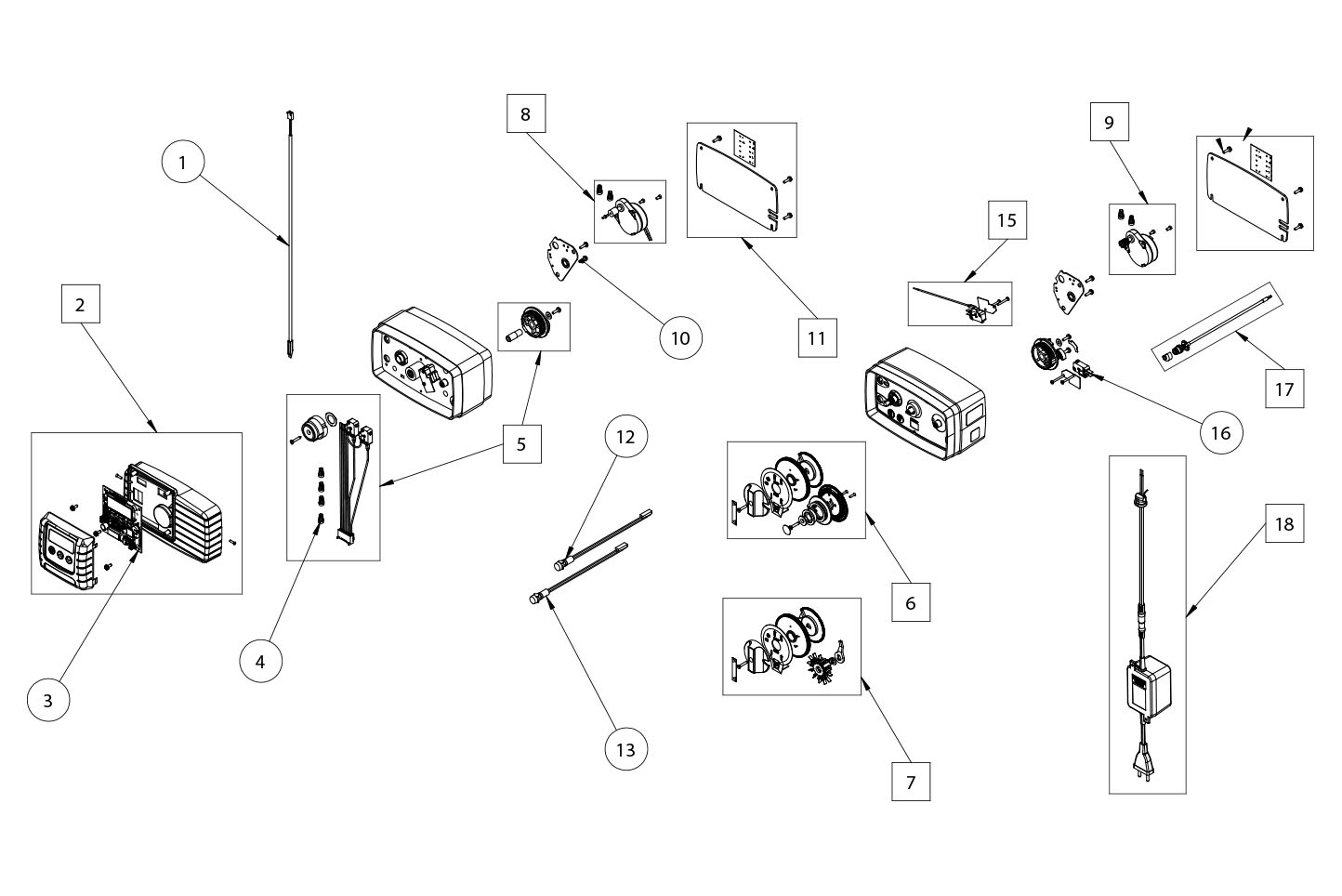
Spare Parts and Consumables
Dimm can direct you to softener spare parts for repairs or replacements. View our catalogSigns of a Water Softener Requiring Maintenance or Intervention
Be attentive to warning signals from your water softener. Quick action can prevent major problems:
- Return of Hard Water: The most obvious indicator. If your faucets and surfaces begin to show limescale traces, if your skin and hair seem drier, or if your laundry is less effective, it is a sign that the softener is no longer working properly. Check the salt level first.
- Salt Overconsumption: If you need to refill the salt tank much more frequently than usual, this may indicate inefficient regeneration cycles or valve malfunction.
- Drop in Water Pressure: In some cases, a clogged softener or blocked valve can lead to decreased water flow in your installation.
- Abnormal Noises: Unusual noises from the softener during regeneration cycles may signal mechanical problems with the valve or other components.
- Salty Water at the Faucet: Exceptionally, a resin rinsing problem may leave a salty taste in the water. This requires immediate checking.
- Leaks: Any leaks around the softener or its fittings must be addressed promptly to prevent water damage.
Conclusion: Proactivity, Key to Your Water Treatment System's Longevity
Maintaining your water softener, whether for domestic, professional, or industrial use, is an essential pillar to guarantee constant quality water, protect your equipment, and optimize operating costs.
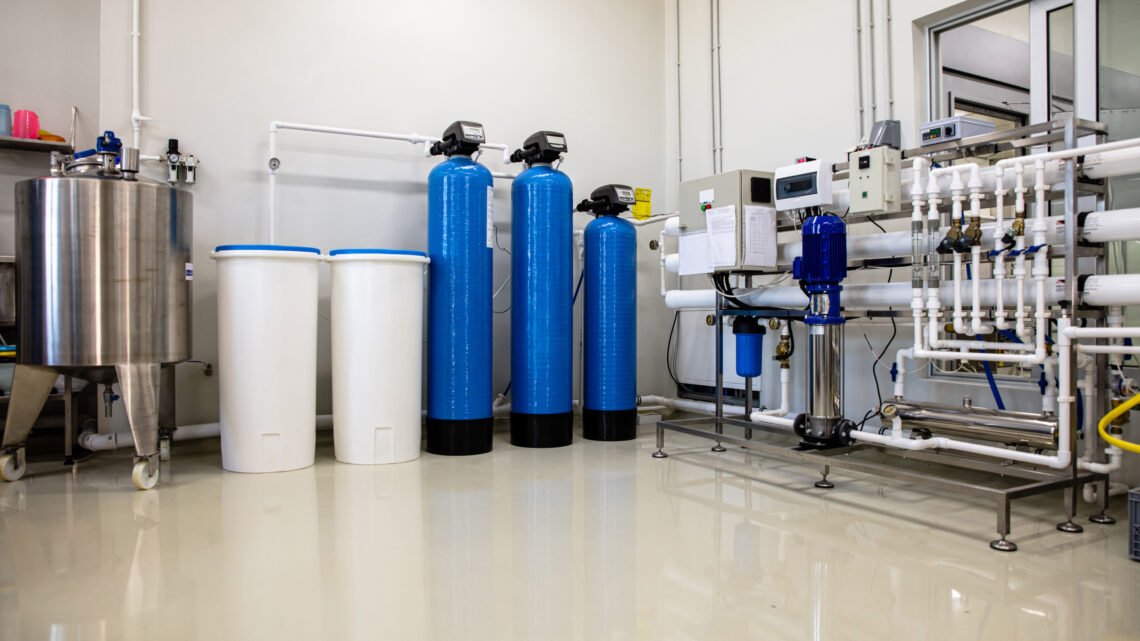
Dimm, your water treatment partner, not only equips you with high-performance water softeners but also provides the knowledge and maintenance products needed for your system to operate optimally for many years.
By following the detailed maintenance recommendations in this guide and using quality Dimm products, you ensure the reliability of your softener and water quality in all your applications.
Contact usFor any specific questions about our products or for more in-depth advice, do not hesitate to contact the Dimm water treatment experts. Your softened water is our priority!
Published inBlog