

Rainwater: Recovery, Treatment and Sanitization in Belgium and France
Rainwater harvesting is now emerging as a strategic solution to reduce drinking water consumption, optimize costs
Rainwater harvesting is now emerging as a strategic solution to reduce drinking water consumption, optimize operating costs, and improve building environmental performance. In Belgium as in France, regulations encourage – or even require – installation of recovery systems in new constructions.
However, harvesting rainwater is not enough. To guarantee safe and compliant use, it is essential to integrate adapted filtration, treatment, and sanitization equipment. Professional solutions offered by DIMM allow designing reliable and sustainable installations, adapted to Belgian and French regulatory requirements.
Regulatory Framework in Belgium and France
🇧🇪 Belgium
In Wallonia and Flanders, rainwater harvesting is mandatory for new constructions. Main requirements concern:
strict separation of drinking water and rainwater networks,
non-return devices compliant with standards,
minimum storage volume according to roof surface.
Rainwater cannot be used as drinking water without specific approved treatment.
🇫🇷 France
In France, the order of August 21, 2008 frames the use of rainwater inside buildings. It can be used for:
toilets,
floor washing,
watering.
Any connection with the public network is strictly regulated. Installation must include clear signage and non-return devices.
Key Steps of an Efficient System
Collection and Storage
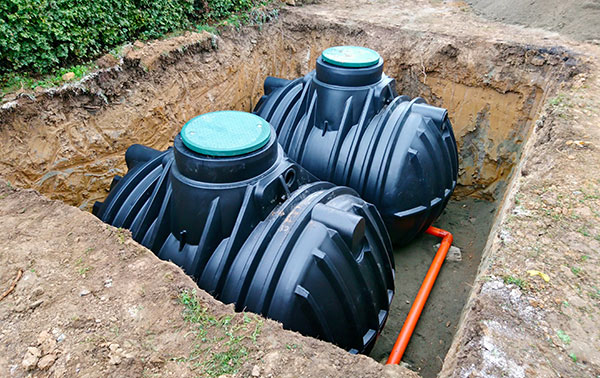
Water is recovered via roofs then conveyed to an underground or above-ground tank.
For sustainable installation, it is recommended to integrate:
pre-filtration system in gutter outlet,
tank protected from light,
siphoned overflow.
DIMM offers complete solutions including high-capacity mechanical filters and hydraulic separation systems compliant with current standards.
Primary Filtration and Treatment
Rainwater may contain:
fine particles,
atmospheric pollutants,
bacteria,
micro-organisms.
For interior or professional use, adapted treatment is essential.
DIMM solutions notably include:
high-performance sediment cartridges to eliminate particles,
activated carbon filters to improve organoleptic quality,
UV disinfection systems to secure water against bacteria.
UV systems offered by DIMM are particularly adapted to collective and industrial installations requiring reliable disinfection without chemical addition.
Disinfection and Health Safety
UV disinfection is an effective solution for rainwater treatment. It allows:
elimination of micro-organisms,
continuous protection of internal network,
improved compliance with health requirements.
Professional UV units DIMM are sized according to required flow and treatment level, guaranteeing maximum safety.
Pressure Group and Hydraulic Management
To efficiently supply usage points, installation requires:
a hydrophore group,
adapted pressure pump,
automatic switching system to mains water.
DIMM offers integrated pumping and hydraulic management solutions, adapted to residential, tertiary, and industrial buildings.
Professional and Industrial Applications
Rainwater recovery and treatment present strong interest for:
agriculture,
tertiary buildings,
hotels,
industries,
municipalities.
It can supply:
irrigation systems,
cooling towers,
technical washing,
secondary sanitary networks.
In these contexts, integration of industrial filters, UV systems, and monitoring devices is essential to guarantee treatment stability.
Sanitization and Maintenance: An Essential Step
A rainwater system requires regular maintenance:
filter cleaning,
UV lamp control,
tank inspection,
non-return device verification.
DIMM supports professionals in preventive maintenance and installation optimization, ensuring performance and regulatory compliance.
Economic and Environmental Benefits
Implementing a complete rainwater recovery and treatment solution allows:
reduction of drinking water consumption,
decreased rejections to sewage networks,
optimization of operating costs,
improvement of environmental assessment.
In Belgium, some regions offer aid or premiums for compliant installations.
The Importance of Professional Sizing
A poorly sized installation can lead to:
excessive stagnation,
bacterial development,
shortage during dry periods,
regulatory non-compliance.
A prior technical study integrating:
roof surface,
annual rainfall,
consumption volume,
building constraints,
is essential to optimize system performance.
Conclusion: A Sustainable Solution to Frame Technically
Rainwater recovery and treatment constitute a sustainable and strategic solution in Belgium and France. However, regulatory compliance and health safety require integration of adapted filtration, disinfection, and hydraulic management equipment.
Have a Question About This Product?
Our technical team is at your service to advise you and offer the solution adapted to your B2B project.
Request a Quote View Our Catalogues